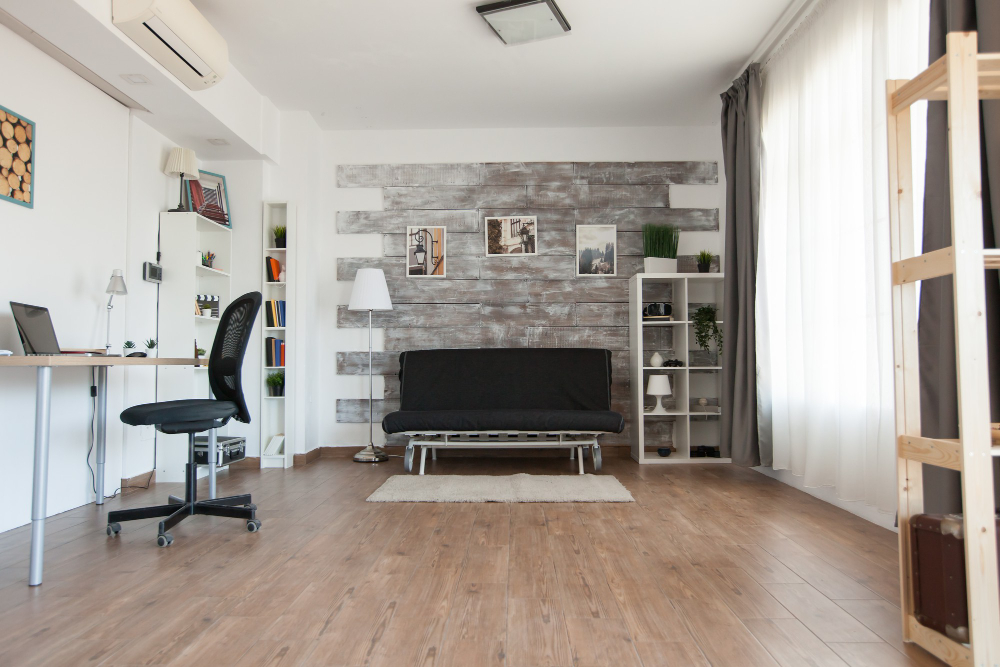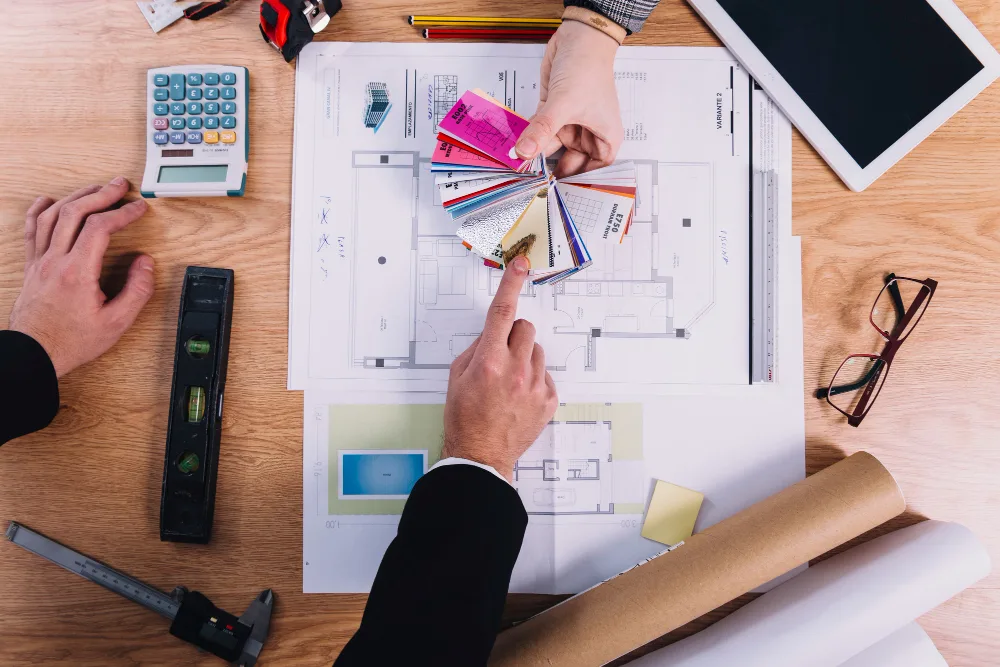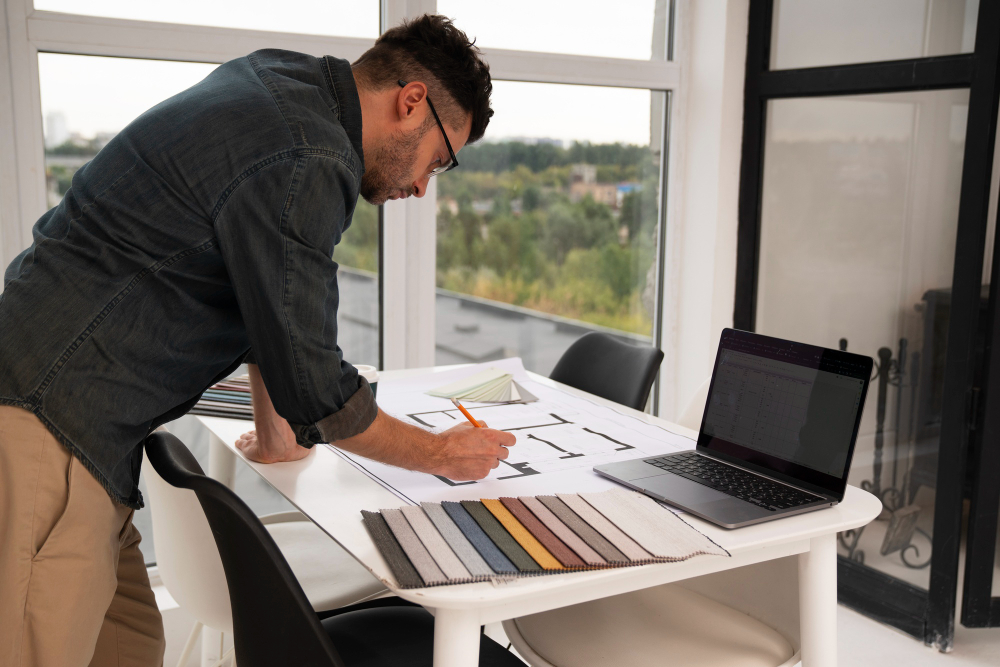
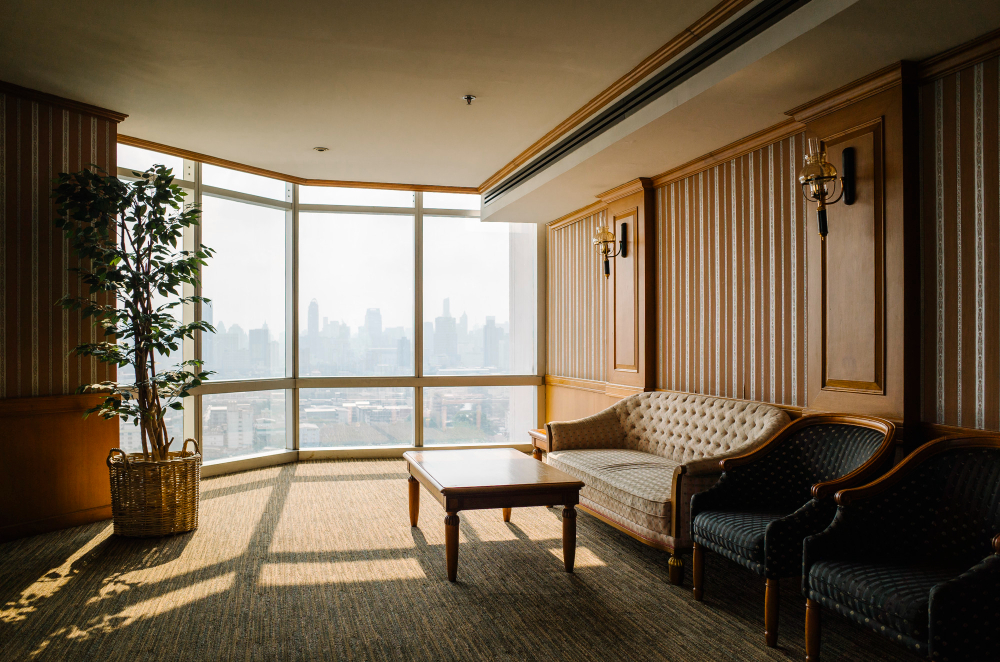
Luxury apartment interior design is about creating spaces that combine visual appeal, functionality and everyday comfort. A successful design considers everything from furniture placement and material selection to lighting, storage and room layouts. However, poor planning and unsuitable design choices can affect the appearance and usability of the finished apartment.
During a luxury apartment fit-out, homeowners may overlook important details such as space requirements, material quality, lighting arrangements and electrical planning. Understanding these common mistakes before starting the project can help create a well-designed apartment that balances luxury with practical living.
1. Poor Space Planning and Layout
Poor space planning can affect both the appearance and functionality of a luxury apartment. Selecting furniture and finishes before finalising the layout can result in cramped rooms, restricted movement and unused spaces.
When planning UAE apartment interior design, consider the following:
- Room dimensions: Measure available floor space before selecting furniture or planning design features.
- Furniture placement: Arrange furniture to maintain comfortable movement and avoid overcrowding.
- Functional zones: Define separate areas for living, dining and relaxation in open-plan apartments.
- Natural light: Consider window positions and daylight when planning room layouts.
- Accessibility: Maintain sufficient circulation space for convenient everyday movement.
2. Choosing Low-Quality Materials
Using inexpensive materials can affect the appearance and durability of luxury apartment interiors. Flooring, wall finishes, countertops and cabinetry should withstand regular use. Materials such as marble, porcelain, natural stone, timber and quality laminates offer different levels of durability and maintenance. Choosing suitable surface finishes and reliable hardware also helps maintain the interior’s quality.
In the UAE, heat, humidity and regular cleaning can affect certain materials. When planning a luxury apartment fit-out, consider how well each material handles these conditions. Evaluate durability and maintenance requirements alongside appearance and budget to avoid frequent repairs and replacements.
3. Incorrect Lighting Design
A balanced lighting plan improves comfort and visual appeal in luxury apartment interiors. Avoid relying on a single overhead light source, as different rooms require different lighting arrangements.
- Use ambient lighting for general illumination.
- Add task lighting in kitchens and reading areas.
- Use accent lighting to highlight décor and artwork.
- Combine pendant and recessed lights.
- Choose suitable window treatments to control natural light.
4. Ignoring Storage Requirements
Storage should be planned at the beginning of a luxury apartment fit-out rather than added after the interior is complete. Insufficient storage can leave personal belongings scattered around and make rooms look untidy. Built-in wardrobes, custom cabinetry and concealed storage help keep everyday items organised without taking up unnecessary floor space.
Consider the household’s daily needs when planning storage. Kitchen cabinets can organise utensils and appliances, while shelving provides space for books and decorative items. Multifunctional furniture, such as beds with storage compartments, can also improve space utilisation. These solutions help maintain a clean, organised interior without compromising the apartment’s design.
5. Selecting Oversized Furniture
Furniture that is too large for a room can restrict movement and make even a spacious apartment feel cramped. Before purchasing luxury furniture, check room dimensions, doorway widths and the space needed for comfortable circulation.
The right furniture proportions help maintain visual balance:
- Choose sofas that fit the living area without blocking walkways.
- Select dining tables that leave enough room for chairs.
- Match bed sizes to bedroom dimensions.
- Consider ceiling height when choosing tall furniture.
- Use accent chairs and statement pieces without overcrowding the room.
A balanced furniture arrangement makes the apartment feel spacious while keeping each area practical for everyday use.
6. Poor Colour Combinations
A well-coordinated colour palette gives luxury apartment interiors a consistent and refined appearance. Too many contrasting shades or mismatched finishes can make rooms feel disconnected. Start with neutral shades for larger surfaces, such as walls and flooring, then introduce accent colours through furniture, artwork and decorative panels.
Lighting also influences how colours appear. Natural sunlight and artificial lighting can change the look of wall finishes and furniture throughout the day. Consider these effects before finalising the palette. Using complementary colours, balanced textures and consistent finishes across connected spaces helps create visual harmony throughout the apartment.
7. Ignoring Kitchen and Bathroom Functionality
Kitchens and bathrooms need careful planning during a luxury apartment fit-out because both spaces are used frequently. In kitchens, poor appliance placement, limited countertop space and insufficient cabinetry can make everyday tasks difficult. Plan work zones, storage and appliance connections to support convenient movement and use.
Bathroom design also requires attention to practical details. Consider proper ventilation, waterproofing and drainage to prevent moisture-related problems. Choose suitable bathroom fixtures and moisture-resistant materials for walls, floors and storage. The placement of sanitaryware, showers and washbasins should allow comfortable movement. Balancing these functional requirements with attractive finishes helps create kitchen and bathroom spaces that are both stylish and practical.
8. Not Planning Electrical Points and Ceiling Design
Electrical and ceiling plans should be finalised before interior finishing work begins. Poor electrical planning can leave power outlets in inconvenient locations, switches difficult to access and appliance connections unsuitable for the room layout. Consider the placement of furniture, appliances and lighting fixtures before deciding on wiring and electrical points.
The ceiling design also affects how lighting and air conditioning are integrated into the apartment. False ceilings and gypsum ceilings can accommodate recessed lights and concealed wiring when planned properly. Coordinate lighting circuits, switches, HVAC integration and other MEP requirements during the luxury apartment fit-out. This reduces the need for changes after installation and helps maintain a neat, functional finish.
9. Focusing on Luxury Appearance Instead of Comfort
Luxury apartment interior design should offer more than expensive finishes and statement furniture. A visually impressive space can still feel uncomfortable if the layout, lighting, or furniture does not support everyday activities. Comfortable seating, practical room arrangements, and ergonomic furniture choices are important for daily living.
Consider these factors when planning the interior:
- Maintain good ventilation and suitable temperature control.
- Choose furniture that supports comfortable posture.
- Consider sound insulation and room acoustics.
- Plan lighting to suit different activities and times of day.
- Reflect personal preferences and household routines in the design.
Balancing appearance with functionality and residential comfort helps create luxury apartment interiors that remain enjoyable and practical over time.
Planning a Successful Luxury Apartment Fit-Out
Careful planning helps bring together the key elements of luxury apartment interior design, including space utilization, material selection, lighting, and functionality. Coordinating these decisions before starting a luxury apartment fit-out helps avoid design conflicts, unnecessary changes, and additional expenses. It also creates a balanced interior that combines visual appeal with everyday comfort.