Large rooms offer endless design possibilities, but they can quickly feel empty, cold, or difficult to furnish when not planned correctly. Many homeowners struggle to strike the right balance between filling the space and maintaining openness. The secret is not adding more furniture, but creating purpose, scale, and visual balance. Take a look at practical interior space planning and interior room design strategies that help large spaces feel elegant, functional, and inviting.
Why Large Rooms Often Feel Empty Despite Having Furniture
Large rooms often feel empty when furniture is too small for the scale of the space or arranged without a clear layout. Compact seating, undersized rugs, and scattered furnishings can leave large portions of the room visually disconnected, making the space appear unfinished despite having enough furniture.
The absence of visual layers can also make a room feel cold and uninviting. Without area rugs, artwork, lighting, curtains, textures, and decorative accents, large spaces may lack warmth and depth. Thoughtful layering helps create balance while making the room feel more comfortable and welcoming.
How to Style Large Spaces Without Overcrowding
Successful interior room design focuses on creating structure without sacrificing openness. By combining proper space planning, furniture selection, visual zoning, and decorative balance, large rooms can feel comfortable, elegant, and purposeful without appearing cluttered.
Start with Space Planning Before Choosing Furniture
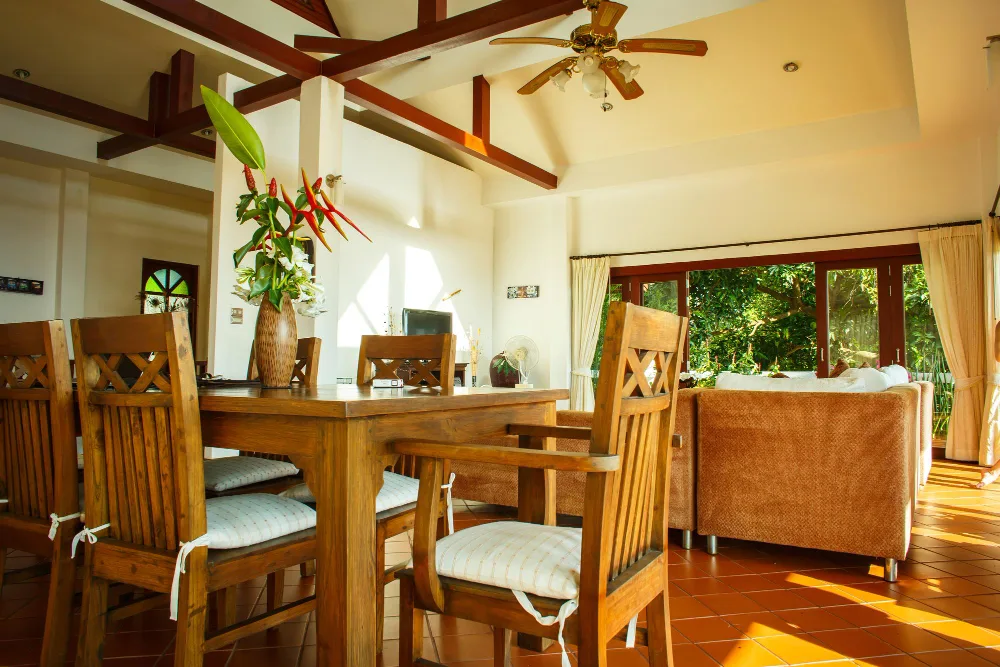
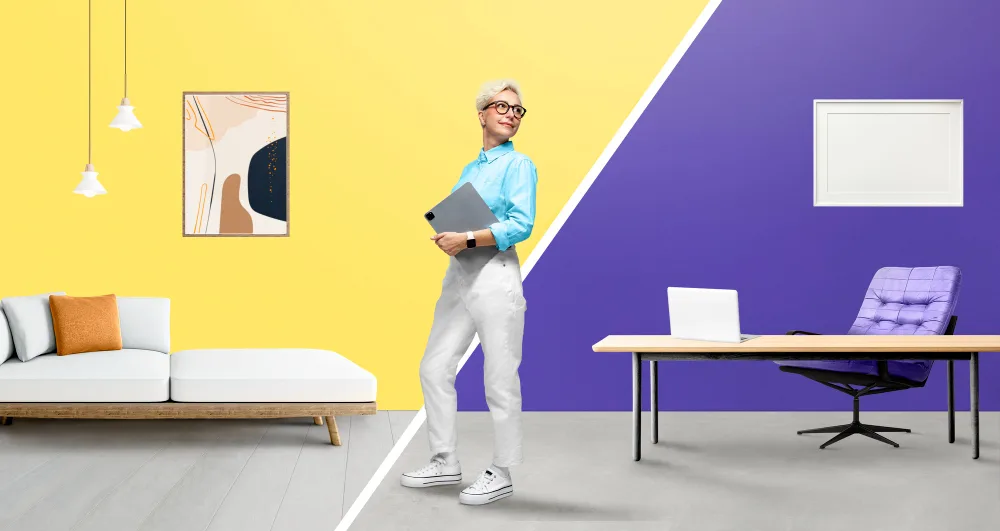
Before selecting furniture, identify how the room will be used. Dividing the space into functional zones such as a living area, reading corner, entertainment section, dining extension, or home office helps create purpose and prevents random furniture placement. Effective interior space planning ensures every area contributes to the overall layout while maintaining visual harmony.
Create Natural Movement Paths
A well designed large room should allow easy movement between different areas. Clear walking circulation and logical traffic flow help the space feel open and organized. Avoid placing furniture in ways that block pathways, and maintain enough room between furniture groupings to create a layout that feels structured yet comfortable.
Use Larger Furniture Pieces Instead of More Furniture
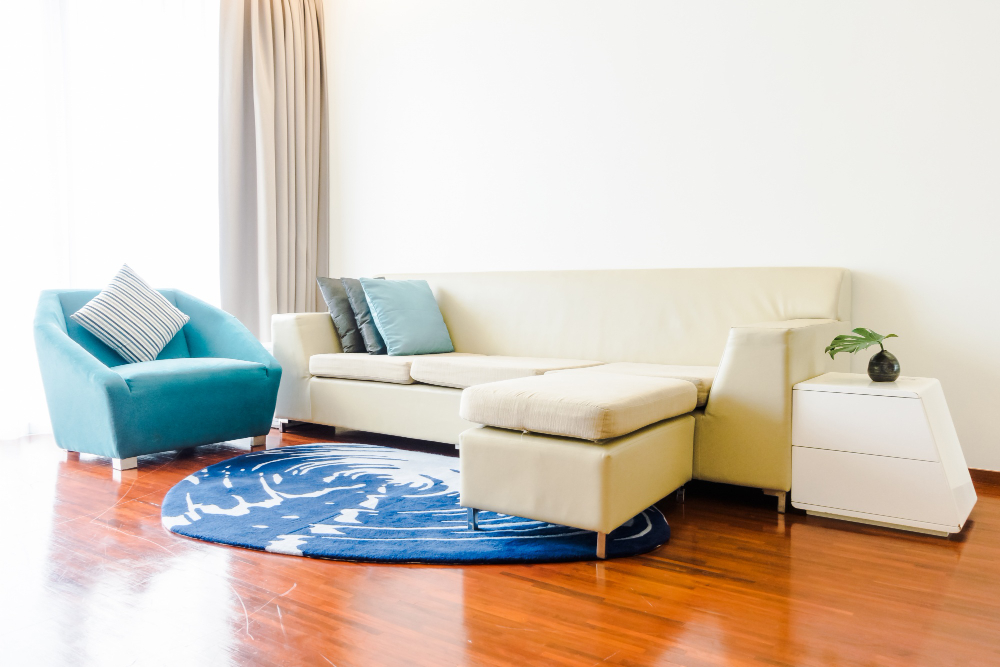
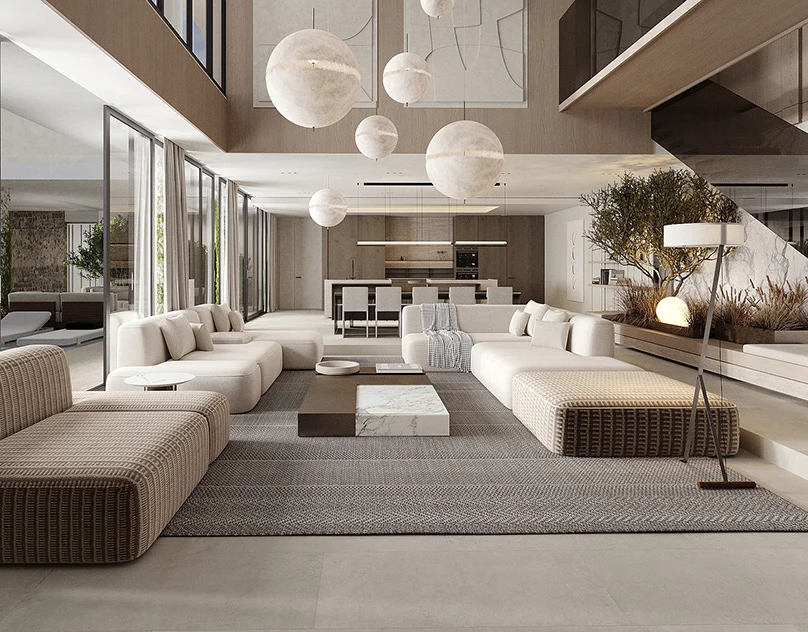
Many homeowners try to fill large rooms by adding numerous small pieces, which often creates visual clutter. Larger furniture such as sectional sofas, oversized coffee tables, and generously sized rugs provide better scale and help anchor the room. Fewer, well proportioned pieces usually create a cleaner and more cohesive appearance.
Create Visual Anchors That Give the Room Purpose
Every large room benefits from strong focal points that attract attention and create visual direction. Feature walls, statement lighting, large artwork, media walls, fireplaces, and oversized mirrors can help establish purpose within the space. These elements guide the eye and make the room feel intentionally designed rather than empty.
Arrange Furniture Around Conversation Areas
Large spaces become more inviting when furniture is arranged to encourage interaction. Group sofas, chairs, and tables around conversation zones rather than spreading them throughout the room. Creating dedicated seating areas supports social interaction, family gatherings, and a more comfortable living experience.
Avoid the Perimeter Layout Mistake
Placing all furniture against the walls is one of the most common mistakes in large room design. This often creates an oversized empty center while making the edges feel disconnected. Bringing furniture inward helps establish intimacy, define functional areas, and create a more balanced room layout.
Use Rugs, Lighting, and Ceiling Features to Define Areas
Visual zoning techniques help large rooms feel organized without requiring physical dividers. Area rugs can distinguish seating and dining spaces, while pendant lights, chandeliers, false ceilings, and cove lighting help define different functions within the room. These elements create structure while preserving openness.
Balance Open Space with Decorative Elements
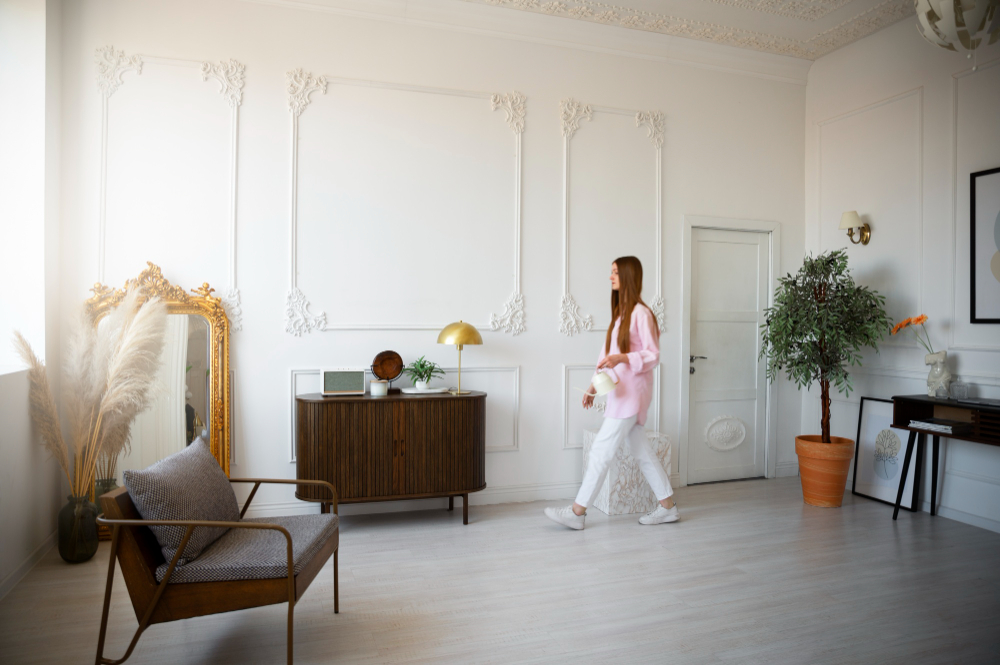
Decorative accessories should enhance a room without overwhelming it. Indoor plants, accent chairs, console tables, sculptures, shelving, and layered textures add personality and warmth. The goal is to fill intentionally, not completely, allowing open areas to remain while creating visual interest throughout the room.
What Is the Best Furniture Layout for a Large Living Room
The best furniture layout for a large living room focuses on creating distinct yet connected zones that enhance comfort and functionality. Instead of placing furniture along the walls, arrange seating in conversational groupings using dual facing sofas, a U shaped configuration, or a floating sectional positioned centrally. Define each area with oversized rugs, maintain clear walking paths, and use secondary spaces for reading or relaxation. This approach helps large rooms feel balanced, inviting, and purposefully designed.
Interior Room Design Mistakes That Make Large Spaces Feel Overcrowded
- Using Excessive Small Scale Furniture: Filling a spacious room with numerous compact furniture pieces can make the layout appear busy and fragmented. Larger, well proportioned furniture creates a more cohesive and visually balanced environment.
- Arranging Furniture Only Along the Walls: Positioning all seating and tables around the perimeter often leaves an awkward empty center while making the room edges feel crowded. Bringing key furniture inward helps establish comfortable and functional living zones.
- Choosing Furniture That Is Out of Proportion: Small sofas, rugs, or tables can appear lost in a large room, making the space feel disconnected. Selecting appropriately scaled furnishings helps create harmony between the room’s dimensions and its contents.
- Overloading Surfaces with Decorative Accessories: Covering every shelf, tabletop, and wall with decorative items can overwhelm the eye and diminish the room’s sense of openness. Thoughtfully curated decor with intentional spacing enhances visual appeal.
- Failing to Define Functional Areas: Large rooms without designated activity zones often feel chaotic and cluttered. Separating the space into areas for conversation, reading, dining, or work creates structure and improves flow.
- Using Multiple Competing Focal Points: Incorporating too many statement pieces, bold furniture items, or decorative features can create visual confusion. A clear hierarchy of focal points helps maintain balance and prevents the room from feeling overcrowded.
- Neglecting Negative Space: Attempting to fill every corner of a large room eliminates the breathing room that makes spacious interiors feel elegant. Leaving intentional open areas allows furniture and decor to stand out while preserving a sense of openness.
How Do Interior Designers Divide Large Open Spaces
Interior designers divide large open spaces by applying professional space planning principles that create distinct functional zones while maintaining visual continuity. Rather than relying on walls, they use furniture layouts, area rugs, lighting schemes, ceiling treatments, and architectural elements to establish separate living, dining, work, or entertainment areas that feel connected yet purposeful.
Professional interior designers also consider traffic flow, furniture scale, sightlines, and room proportions when planning large spaces. Through careful zoning and visual balance, they ensure each area serves a specific function without making the overall space feel crowded, disconnected, or underutilized. For homeowners looking to maximize the potential of large spaces, working with professional interior design experts such as Fine Interior can help create functional, stylish, and well balanced interiors.
Bringing Elegance and Functionality Together in Large Spaces
Styling a large room successfully is not about filling every available corner. The most effective designs combine thoughtful space planning, appropriate furniture scale, clear focal points, and purposeful zoning to create balance throughout the room. By defining how each area will be used and selecting furnishings that complement the room’s proportions, homeowners can transform oversized spaces into elegant, comfortable, and highly functional environments that feel inviting rather than overwhelming.