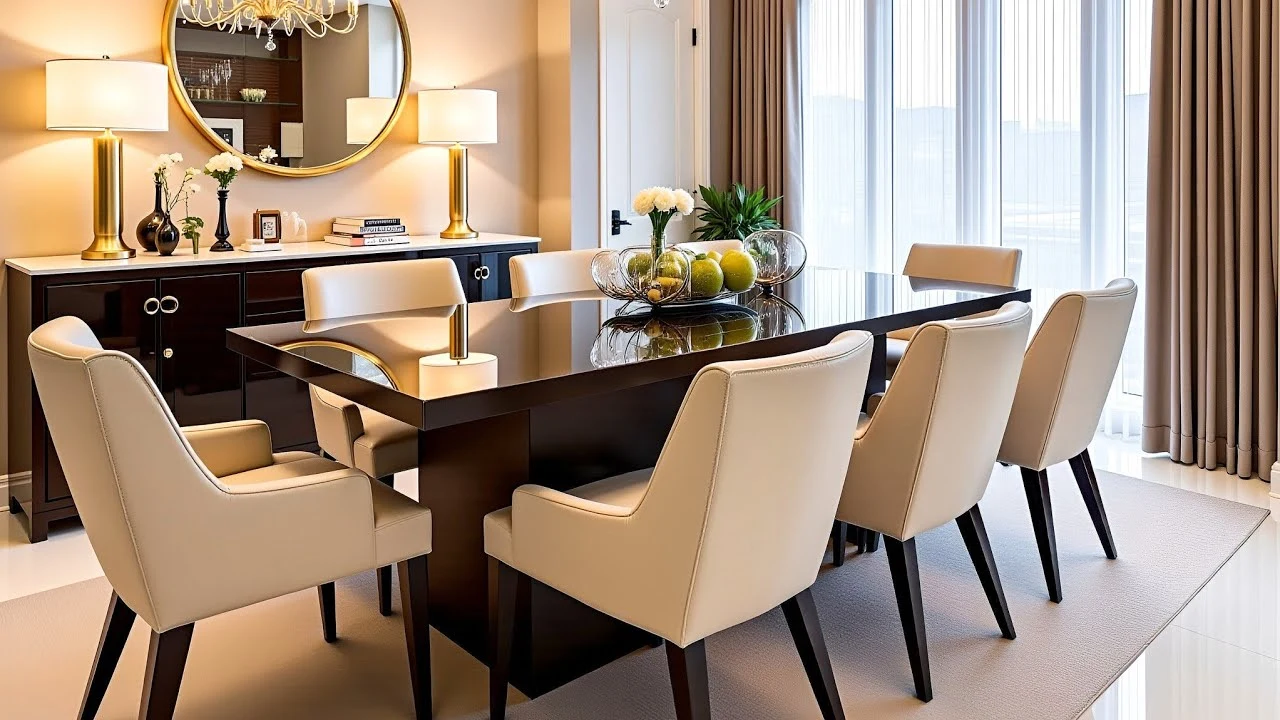

The spaces where you live and work have a powerful influence on how you feel, think, and interact with others. A well-designed room enhances your creativity, calms your mind, and makes your life joyful. However, a poorly designed space results in cluttered layouts, making you feel frustrated and restless. So what makes a room “well designed”?
There are five basic principles of interior design: balance, harmony, rhythm, scale, and focal point. These can turn ordinary spaces into extraordinary experiences. Whether you are renovating your room or planning a design for your new office space, knowing and mastering these principles can transform your space.
1. Balance
Balance ensures that there is visual stability in your room or space. Think of a room with furniture cluttered on one side, while the other side is empty. Each element in the room should be placed in such a way that it is distributed equally. A balanced room makes the space more inviting and welcoming.
- Symmetrical balance: It involves placing matching elements on either side of the room. For example, both sides of the room have two chairs.
- Asymmetrical balance: In this case, different types of furniture or objects in the room create balance. Imagine a tall bookshelf on one side and a sofa on the other side.
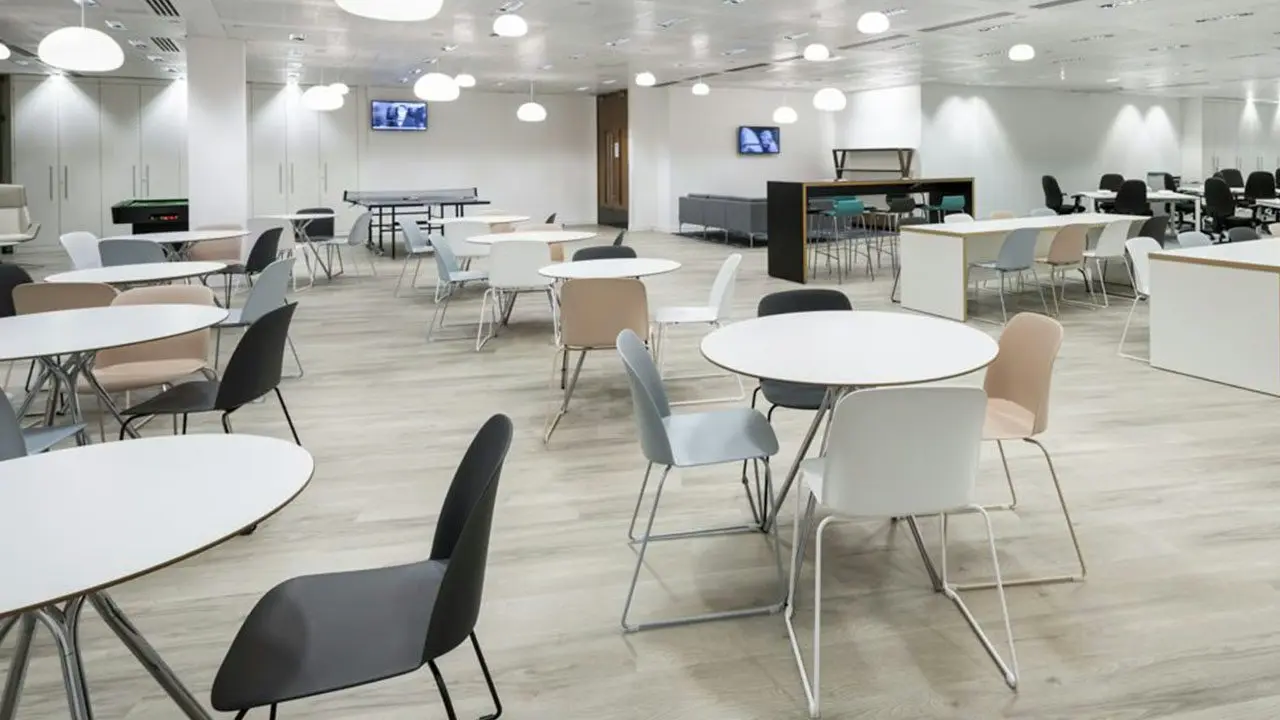
- Radial balance: Here, all the objects, or elements in a room, are placed or arranged around a central point. E.g.: A circular dining table with evenly spaced chairs around it
2. Harmony
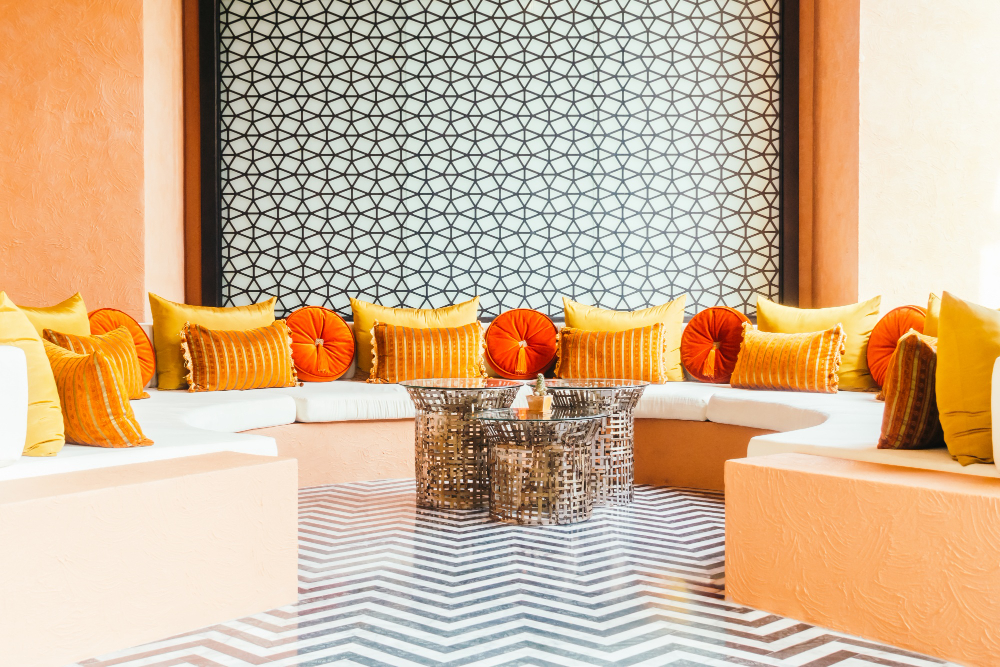
Harmony creates a visual connection between each element in the room. The furniture, color, texture, and decor all work well together. When harmony is achieved, nothing feels out of place. The sofa in your living room complements the rug placed on the floor. The painting aligns well with the wall color, and the lighting blends each element well.
- Color harmony: This involves selecting a color palette for your room that complements each other
- Style harmony: It maintains a consistent design theme throughout the house.
- Texture harmony: Repeated patterns or textures for creating uniformity.
3. Rhythm
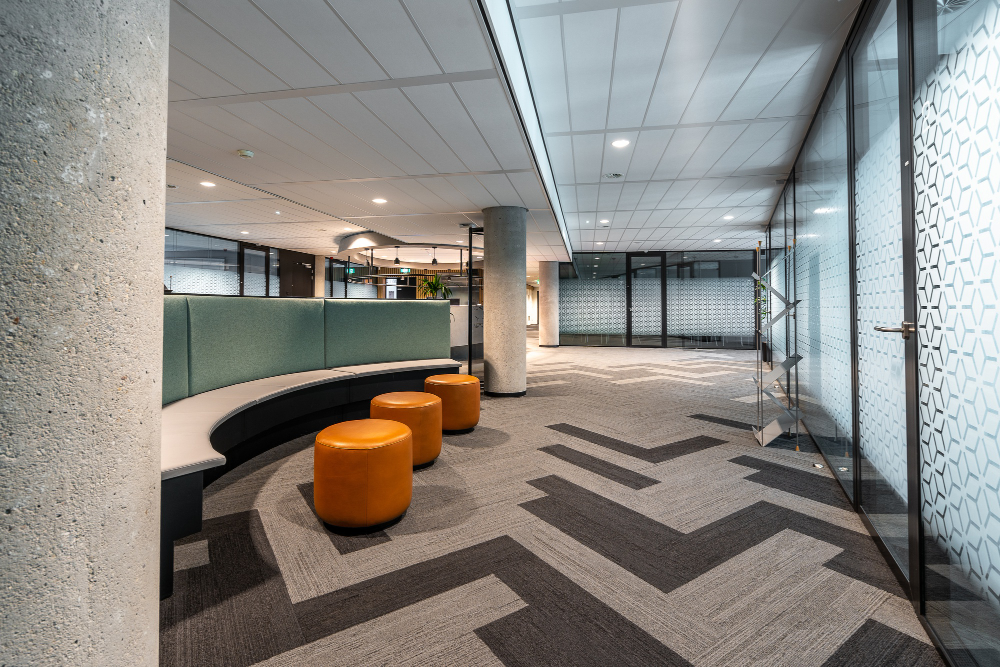
Rhythm creates a kind of flow in the space; without it, the place feels static and disconnected. You can achieve rhythm in the interior design of your home or office by repeating the use of a color, shape, or material. For example, you can repeat the same pendant lights in a row above your kitchen island.
It can also be achieved through progression, contrast, or transition. Think of mixing opposite elements strategically to catch attention. Rhythm keeps the place visually interesting while maintaining cohesion.
4. Scale
Scale in interior design refers to the size of objects placed in a room and how they relate to one another and the overall space. Proper scale ensures that the furniture fits comfortably in the room, and it makes the space feel balanced.
For implementing scale in the room, you should:
- Avoid placing oversized furniture in small spaces. For example, a compact seat is better than a huge sofa in a small apartment.
- Always use large items, such as a sofa paired with accent chairs in a spacious room for space definition.
- Ensure that the furniture and pathways are defined and comfortable for everyday use.
5. Focal point
A Focal point is the center and heart of the room; it could be anything that immediately draws attention and provides the space a clear purpose. It also determines and guides you to arrange furniture and accessories in the room.
An example of the focal points is a colorful, oversized painting above a sofa or a chair in a minimalist room. A strategically placed chandelier above a dining table is also a focal point. A strong focal point helps to organize the room and makes it memorable.
Why Do Interior Design Principles Matter?
Application of balance, harmony, rhythm, scale, and focal point transforms your space in various ways.
- Enhances aesthetics: Creates rooms and spaces that are visually appealing and welcoming in a home or an office.
- Improves comfort: A balanced and harmonious space provides a relaxing atmosphere.
- Increases functionality: Properly designed spaces with scale and rhythm ensure the easy movement of people.
- Showcases personality: Focal points and cohesive design choices help you to express your style and preferences.
- Increases value: Thoughtful interior design enhances the perceived and actual value of your home and commercial space.
Conclusion
Interior designing of any space follows five basic principles to create areas that feel balanced, harmonious, and meaningful. An interior design company helps transform spaces that look stunning and provide comfort for people using the room or office.
Whether you are designing a cozy living room, planning creative concepts for a productive office, or applying these principles, an interior design company ensures every element works together to express your vision and story. The space will mirror your personality and enrich your daily life. A great design is visually attractive, emotionally engaging, and enhances how you experience your surroundings.