Interior design mistakes quietly drain your budget while making your space less functional. Many homes look good at first but fail in comfort, layout, and usability, leading to repeated fixes and extra spending. Small planning errors, wrong material choices, and poor layout decisions often turn into costly corrections. Understanding these mistakes early helps you avoid unnecessary expenses and create a space that works better long-term. Read on to know which mistakes cost the most and how to plan smarter.
Why Interior Design Mistakes End Up Costing More Than You Expect
Interior design mistakes often lead to repeated spending, replacements, and inefficient spaces because poor planning creates avoidable rework. Wrong measurements, improper layouts, and low quality materials often need fixing or replacing sooner than expected. Ignoring lighting, storage, and functionality reduces usability, forcing upgrades later. Trend-driven choices age quickly, leading to redesign costs. Skipping professional guidance can also result in costly errors that impact durability, comfort, and overall property value.
Common Interior Design Mistakes That Waste Money
Learning about common interior design mistakes helps you plan better, avoid costly errors during execution, and make smarter decisions that prevent repeated spending, unnecessary changes, and long-term financial loss.
Poor Planning and Budgeting
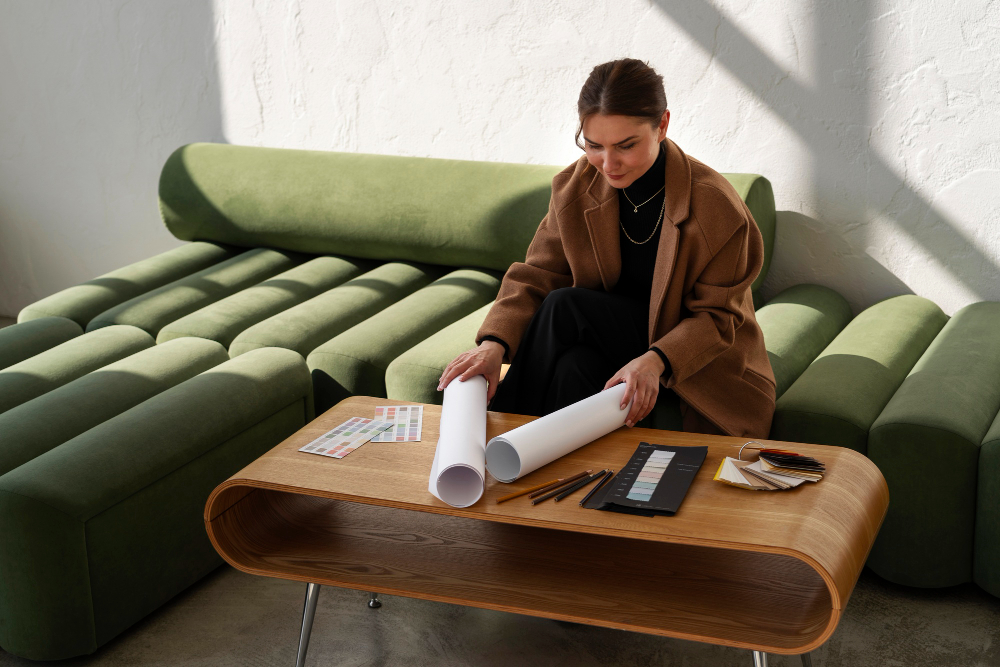
Starting without a clear plan or budget leads to impulsive decisions and mismatched outcomes. Measurement errors, wrong spending priorities, and unplanned changes often result in rework, delays, and higher overall project costs.
Furniture and Layout Mistakes
Choosing the wrong furniture size or layout affects movement and usability. Oversized or undersized pieces, poor placement, and lack of storage create discomfort, forcing replacements or redesign to fix space efficiency issues.
Lighting and Decor Errors
Using only one light source or poorly placed decor reduces functionality and visual balance. Incorrect rug sizes, curtain placement, and trend-focused choices often require adjustments or replacements, increasing long-term expenses.
Material and Functional Failures
Selecting materials based only on appearance leads to faster wear and damage. Poor paint choices and ignoring practical needs reduce durability, often requiring upgrades or corrections to maintain usability and long-term value.
Measurement and Scale Mistakes
Failing to measure spaces, doorways, and pathways leads to furniture that does not fit properly. Returns, modifications, or replacements increase costs and delay completion, especially with custom-made items.
Space Utilization Errors
Ignoring vertical space and inefficient layouts reduce the usable area. This often leads to additional storage or layout changes later, increasing both material and labour costs unnecessarily.
Trend-Driven Design Issues
Following short term trends instead of practical design leads to interiors that feel outdated quickly. Frequent updates, repainting, or furniture changes add to long-term expenses and reduce overall value.
Functionality and Comfort Gaps
Focusing only on visual appeal while ignoring comfort and usability creates impractical spaces. This results in replacing furniture or modifying layouts to better suit daily needs, increasing overall spending.
DIY and Execution Failures
Attempting complex tasks without proper expertise can cause structural or finishing issues. Fixing these problems often costs more than professional work and may also affect safety and durability.
Storage Planning Mistakes
Lack of built-in or planned storage leads to clutter and inefficiency. Adding storage later through cabinets or organisers increases costs compared to integrating it during the initial design stage.
Paint and Finish Errors
Choosing paint colors or finishes without considering lighting and furniture leads to mismatched results. Repainting or refinishing requires additional labor and materials, increasing the overall project cost.
Bedroom Design Mistakes That Lead to Extra Costs
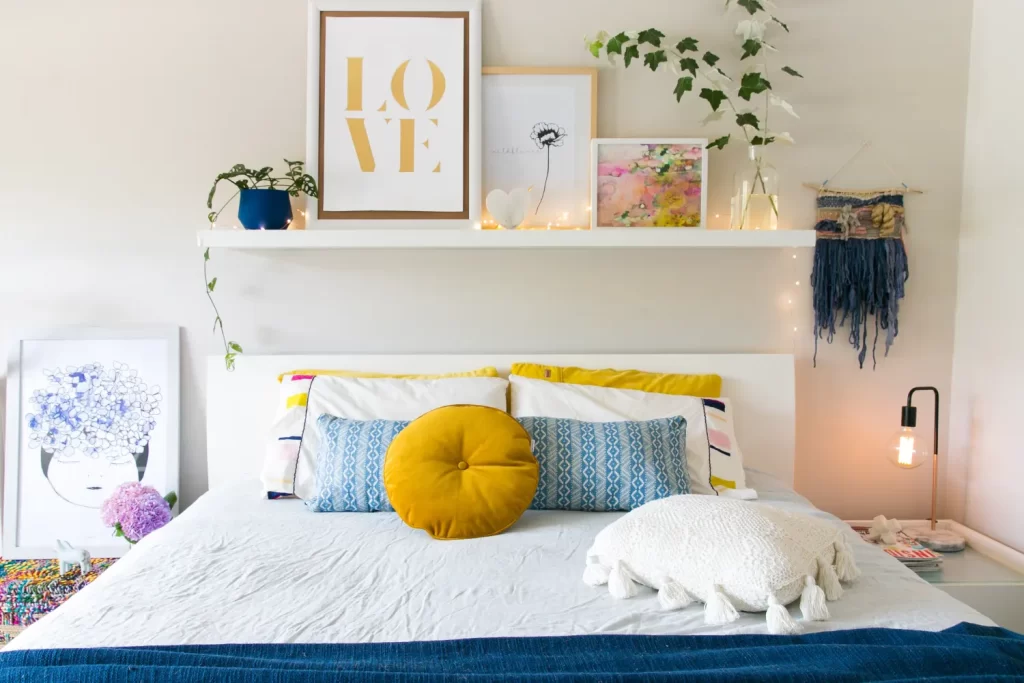
Bedroom design mistakes directly affect comfort, usability, and long term value. Interior designers often report that bedroom layout and storage errors are among the most common reasons for redesign and repeated spending in residential projects.
- Incorrect Bed Size Selection: Choosing an oversized or undersized bed affects movement and comfort, often leading to layout changes or replacements that increase overall bedroom setup costs.
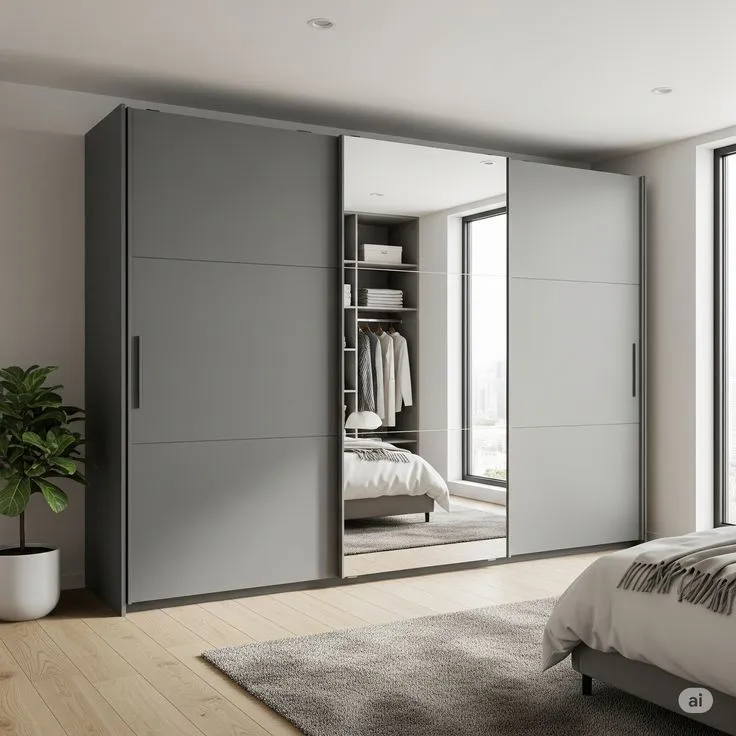
- Poor Wardrobe Planning: Inadequate wardrobe design creates storage issues and clutter, often requiring additional units later, which increases expenses and reduces available bedroom space.
- Improper Lighting Placement: Poor lighting setup affects usability and comfort, often leading to extra fixtures, rewiring, or adjustments that increase post installation costs.
- Ignoring Ventilation and Comfort Factors: Lack of proper airflow and cooling reduces comfort, often requiring structural changes or additional installations that increase long term expenses.
Living Room Design Mistakes That Affect Space and Budget
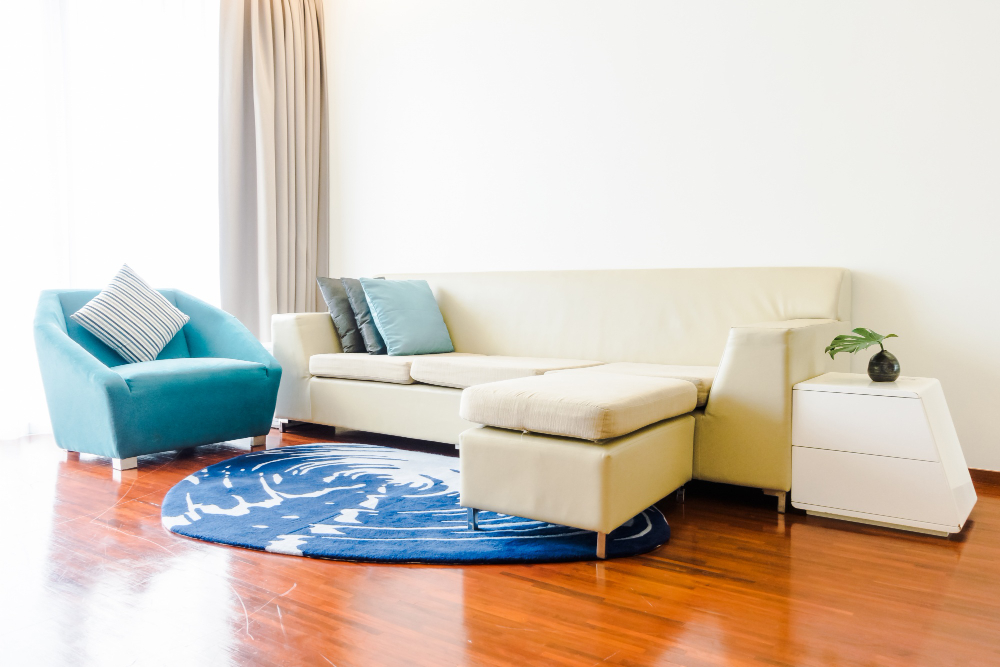
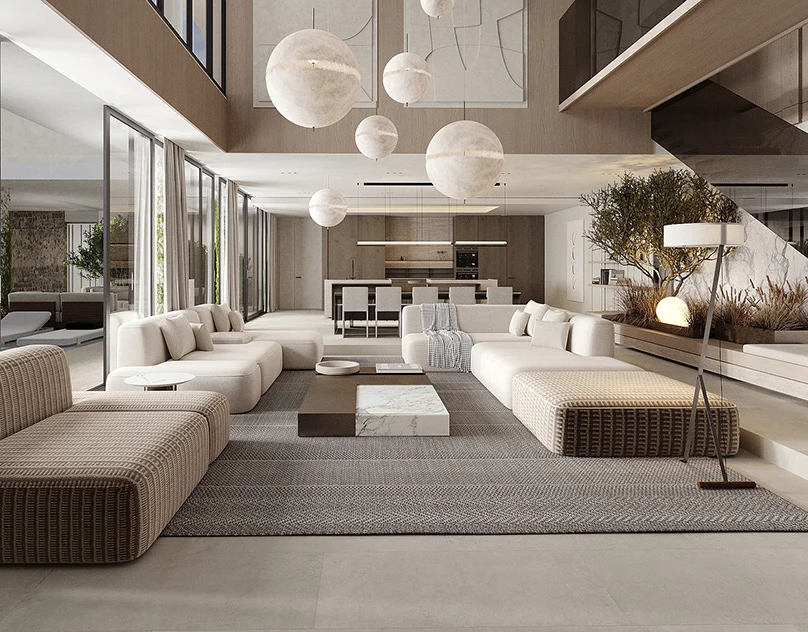
Living room design mistakes reduce comfort, disrupt layout flow, and increase costs through frequent changes, furniture replacements, and poor space usage that requires redesign and additional spending later.
- Poor furniture layout planning disrupts movement and reduces usable space
- Overcrowding the space with decor creates clutter and unnecessary spending
- Wrong rug and curtain sizing makes the room look smaller and unbalanced
- Ignoring focal points results in a scattered and visually weak layout
- Lack of functional zoning affects usability and overall space planning
How to Avoid Costly Interior Design Mistakes
Avoiding interior design mistakes starts with proper planning, budgeting, and informed decisions that improve functionality, prevent rework, and help manage long term costs effectively.
Finalize Layout Before Purchasing Anything: Plan and confirm layouts before buying furniture or materials to avoid mismatches, returns, and costly adjustments during or after installation.
Choose Materials Based on Durability, Not Trends: Focus on long lasting materials that suit daily use to reduce maintenance, replacements, and overall long term expenses.
Plan Lighting in Layers: Use a mix of ambient, task, and accent lighting to improve usability and avoid expensive electrical changes later.
Invest in Functional Storage Solutions: Design storage based on actual needs to prevent clutter and avoid adding extra units after completion.
Work with Experienced Interior Designers: Professional guidance helps avoid technical errors, improves planning accuracy, and reduces costly mistakes during execution.
Set a Realistic Budget with Contingency: Allocate a buffer for unexpected expenses to manage cost variations without disrupting the overall project.
How Professional Interior Design Services Help Reduce Overall Costs
Professional interior designers help control expenses through proper planning, expert execution, and access to better resources. By avoiding common errors, optimizing materials, and managing the entire project efficiently, designers ensure your budget is used effectively without unnecessary spending.
- Ensures accurate planning to avoid costly design and execution errors
- Reduces rework, delays, and unexpected labor expenses during projects
- Provides access to quality materials at better, industry level pricing
- Helps avoid overspending through expert sourcing and material selection
- Recommends cost effective alternatives without compromising design quality
- Improves space utilization, reducing need for major structural changes
- Selects durable materials to minimize future maintenance and replacement costs
- Manages vendors efficiently to keep timelines and budgets under control
- Focuses on high-impact design elements for better value and visual appeal
Smart Interior Design Without Expensive Errors
Interior design mistakes may seem small at first, but they often lead to repeated spending, reduced functionality, and unnecessary stress over time. Careful planning, smart material choices, and attention to layout can prevent most costly errors. Focusing on long-term usability rather than quick visual appeal ensures better value for your investment. With the right approach or professional guidance, you can create a well-designed space that stays efficient, comfortable, and cost-effective.
Professional Interior Designers for Cost-Effective Spaces
Finding a trusted interior design professional is essential to avoid costly mistakes. Fine Interior offers professional interior design services across the UAE, focusing on reducing unnecessary costs through smart planning and efficient execution. We optimise layouts, select durable materials, and prevent rework, ensuring long-term value, controlled budgets, and practical, high-quality interiors for both residential and commercial spaces.