Looking for a home that feels bright, organised, and effortlessly inviting? Scandinavian interior design offers the perfect balance of simplicity, functionality, and comfort. Originating in the Nordic countries, this timeless design style focuses on clean lines, neutral colours, natural materials, and practical furniture that creates calm and welcoming living spaces.
Its emphasis on maximising natural light and reducing clutter has made Scandinavian interior design one of the world’s most popular interior styles. Whether you’re decorating a small apartment or a spacious home, its minimalist yet cosy approach helps create a beautiful space that is both stylish and comfortable.
The Origins and Evolution of Scandinavian Interior Design
Scandinavian interior design originated in the Nordic countries of Denmark, Sweden, Norway, Finland, and Iceland during the early 20th century. Shaped by long, dark winters and a deep appreciation for nature, the style focuses on creating bright, functional, and comfortable living spaces. Two key Nordic concepts influence this approach: hygge, which emphasises cosiness and well-being, and lagom, which encourages balance and avoiding excess.
Over the years, Scandinavian interior design has evolved while staying true to its core principles of simplicity, functionality, and comfort. Today, it combines timeless craftsmanship with modern materials, sustainable choices, and clean, minimalist aesthetics, making it a popular design style for homes around the world.
Major Characteristics of Scandinavian Interior Design
Scandinavian interior design is known for creating spaces that are simple, practical, and inviting. Every design choice serves a purpose while maintaining a clean and timeless appearance. Here are the key characteristics that define this popular interior style.
Light and Neutral Colour Palette
A light and neutral colour palette is one of the most recognisable features of Scandinavian interior design. Shades of white, off-white, beige, soft grey, and muted pastels help reflect natural light, making rooms feel brighter and more spacious. These calming colours also provide a versatile backdrop that complements a variety of furniture and decor.
Natural Materials and Textures
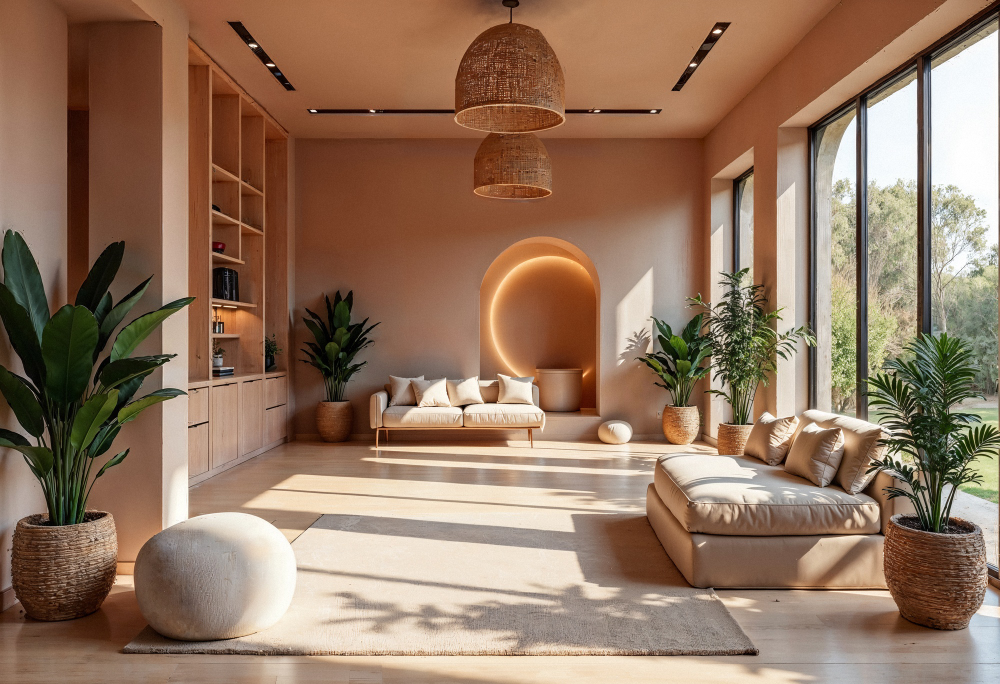
Natural materials bring warmth and character to Scandinavian interiors. Light-colored woods such as birch, pine, and ash are commonly used for flooring, furniture, and wall accents. Soft textiles like linen, cotton, wool, and sheepskin add texture and comfort, while indoor plants strengthen the connection to nature.
Functional Furniture with Clean Lines
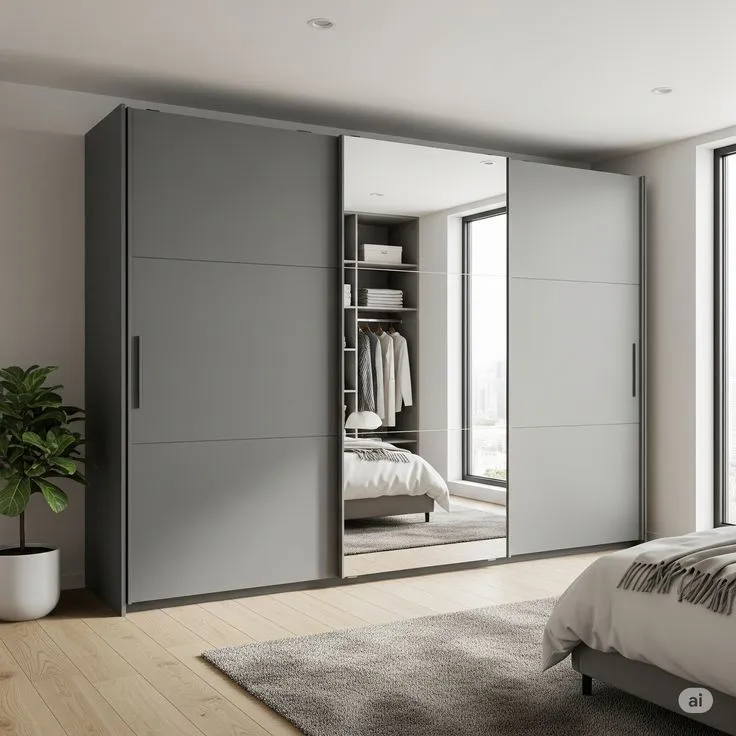
Furniture in Scandinavian homes is designed to be both stylish and practical. Pieces typically feature clean lines, smooth curves, and simple shapes without unnecessary ornamentation. Many designs also offer built-in storage or serve multiple purposes, making them ideal for maximizing space in both small and large homes.
Minimal Decor
Scandinavian interior design follows the principle of “less is more.” Instead of filling a room with decorative items, it focuses on a few carefully chosen accessories that add personality without creating clutter. Simple artwork, ceramic vases, candles, and handcrafted pieces are often used to enhance the space while maintaining a clean and organized look.
Maximizing Natural Light
Since Nordic countries experience long, dark winters, natural light plays an important role in Scandinavian design. Large windows are often left uncovered or dressed with sheer curtains to allow as much daylight as possible. Mirrors and light-colored surfaces further reflect light, creating a bright and airy atmosphere.
Cozy Textiles and Layering
Although Scandinavian interiors are minimalist, they never feel cold or unwelcoming. Cozy elements such as knitted throws, soft cushions, natural-fiber rugs, and layered bedding add warmth and comfort. This thoughtful layering creates inviting spaces where functionality and relaxation go hand in hand.
How to Create a Scandinavian Interior in Every Room
Scandinavian interior design can be adapted to every room in your home by focusing on simplicity, functionality, and comfort. Here are some practical ideas to help you achieve the look.
Living Room
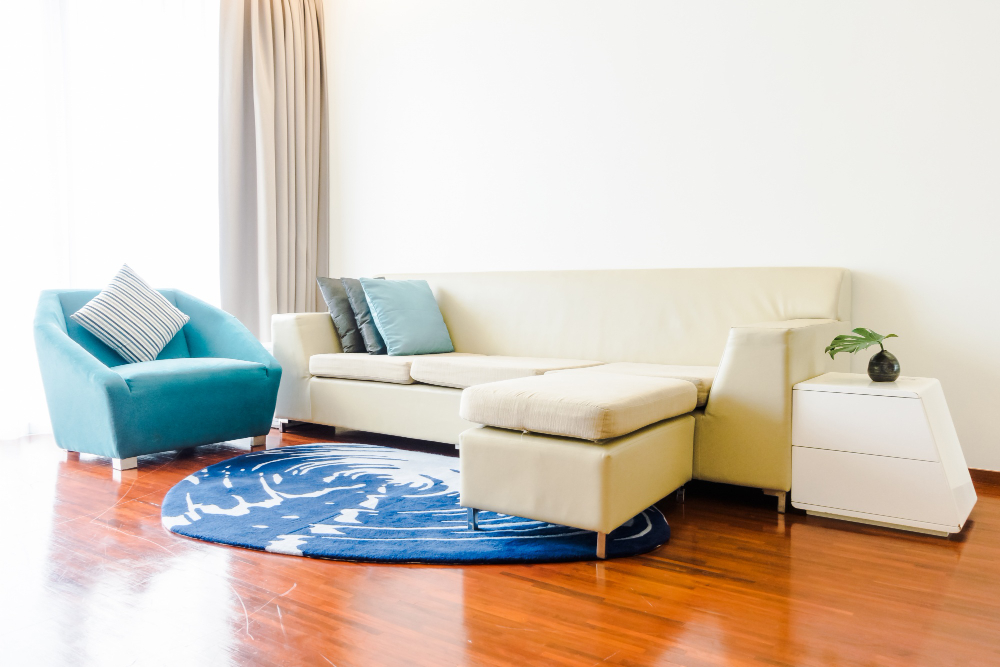
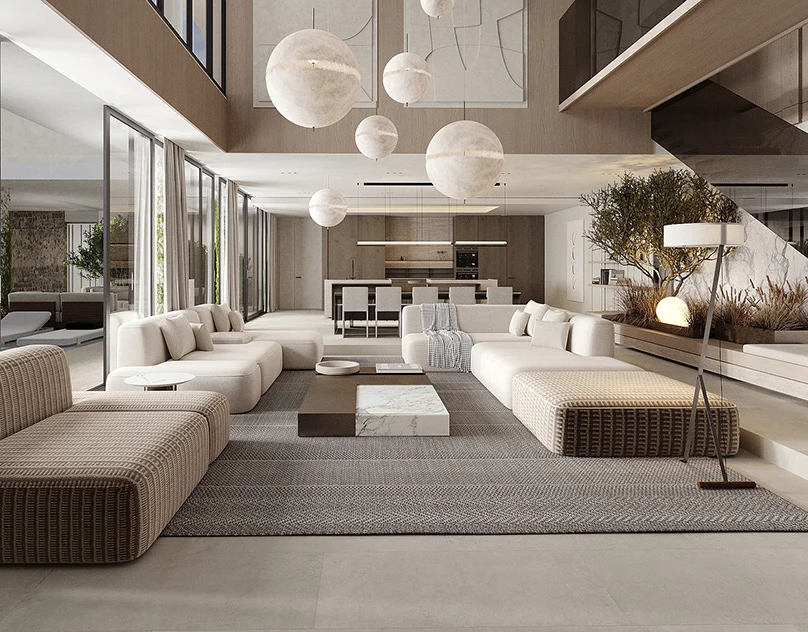
Choose a neutral-colored sofa with clean lines and pair it with a wooden coffee table to create a simple yet inviting focal point. Add warmth with a soft area rug, cosy cushions, and a knitted throw. Keep decor minimal by displaying a few framed artworks, candles, or indoor plants, and use smart storage solutions to keep the space clutter-free.
Kitchen and Dining Area
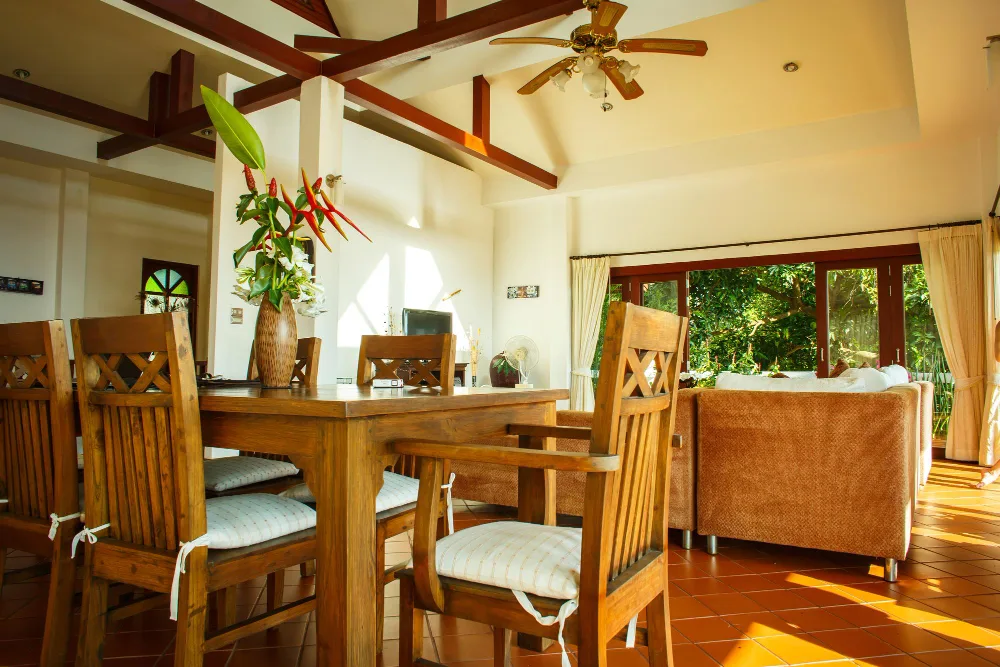
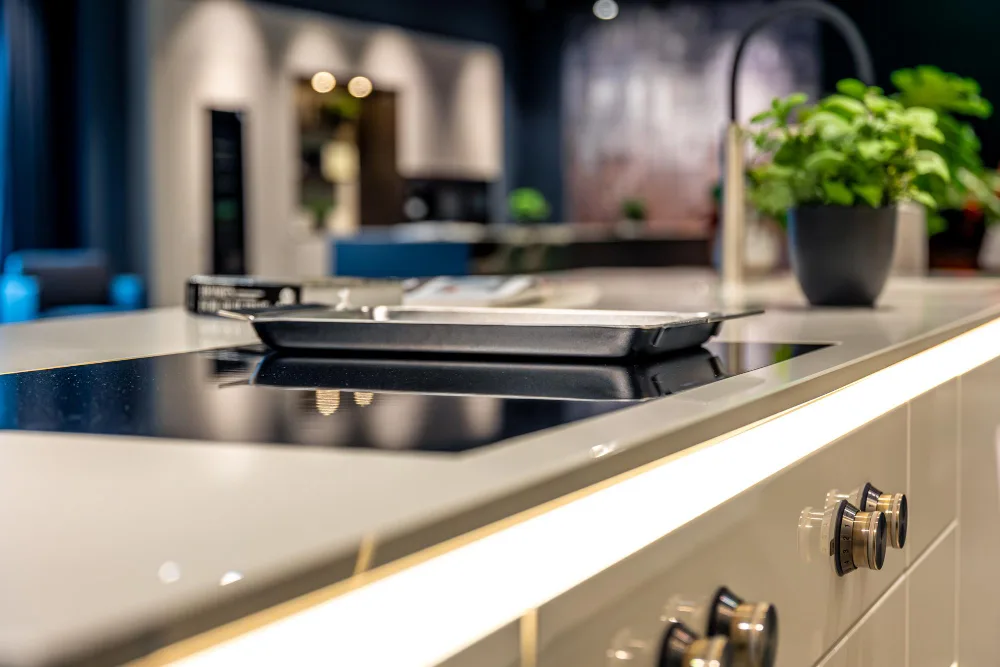
Create a bright and functional kitchen with white or light-colored cabinets, wooden countertops, and open shelves for frequently used items. Choose a simple wooden dining table with comfortable chairs, and use pendant lights to brighten the dining area. Keep countertops organised and decorate with just a few practical accessories.
Bedroom
A Scandinavian bedroom should feel calm and relaxing. Use a soft neutral colour palette, natural cotton or linen bedding, and layer blankets and cushions for added comfort. Wooden bedside tables, warm bedside lamps, and simple wall art complete the space without making it feel crowded.
Bathroom
Keep the bathroom fresh and uncluttered with white or neutral tiles, wooden accents, and practical storage solutions. Add woven baskets to organize toiletries and include a small indoor plant to bring a touch of nature. Soft towels and warm lighting can make the room feel more inviting.
Home Office
Design a workspace that encourages focus and productivity with a simple wooden desk and an ergonomic chair. Position the desk near a window to maximize natural light, and use shelves or cabinets to keep supplies neatly stored. Add a desk lamp and a small plant to create a workspace that is both functional and welcoming.
Common Mistakes to Avoid in Scandinavian Interior Design
Although Scandinavian interior design is known for its simplicity and timeless appeal, a few common mistakes can prevent your space from achieving its signature look. Avoid these pitfalls to create a home that feels both functional and welcoming.
- Making the space feel cold: Avoid using only white tones. Add warmth with natural wood, soft rugs, cozy throws, and layered lighting.
- Overdecorating: Keep accessories to a minimum and choose décor that is both beautiful and purposeful.
- Ignoring functionality: Select furniture that is practical, comfortable, and suited to your daily needs rather than focusing only on appearance.
- Blocking natural light: Use sheer curtains and keep windows uncluttered to let in as much daylight as possible.
- Following trends instead of timeless design: Invest in quality furniture, neutral colors, and classic pieces that will remain stylish for years.
Conclusion
Scandinavian interior design is all about creating spaces that are simple, functional, and comfortable. By combining neutral colors, natural materials, practical furniture, and plenty of natural light, you can design a home that feels both stylish and welcoming.
Getting started doesn’t require a complete makeover. Begin by decluttering your space, choosing a neutral color palette, adding natural textures, improving your lighting, and investing in a few quality furniture pieces. With these simple changes, you can create a Scandinavian-inspired home that is timeless, practical, and enjoyable to live in.