Biophilic design is an approach to architecture and interior design that brings nature into indoor spaces. It uses natural elements like plants, sunlight, wood, stone, and water-inspired features to create healthier and more comfortable environments. The main idea is based on biophilia, which means humans naturally feel connected to nature and feel better when they are close to it.
This design trend is becoming popular in homes, offices, hospitals, and other spaces around the world. It helps improve mood, reduce stress, and increase productivity. In bringing these ideas to life, the best interior designers play an important role by creating spaces that are modern and closely connected to nature.
What Is Biophilic Design?
Biophilic design is an evidence-based design philosophy that integrates natural elements into architecture and interior spaces. It is based on the concept of biophilia, which refers to the innate human desire to connect with nature and other forms of life. This approach helps create healthier, more comfortable environments that support overall well-being and reduce stress.
Building on this idea, biophilic design brings nature into built spaces through a variety of thoughtfully planned elements. The major principles of biophilic design are:
- Natural light and views are enhanced through large windows, skylights, and open visual connections to nature.
- Natural materials such as wood, stone, and bamboo are used to create an organic and calming atmosphere.
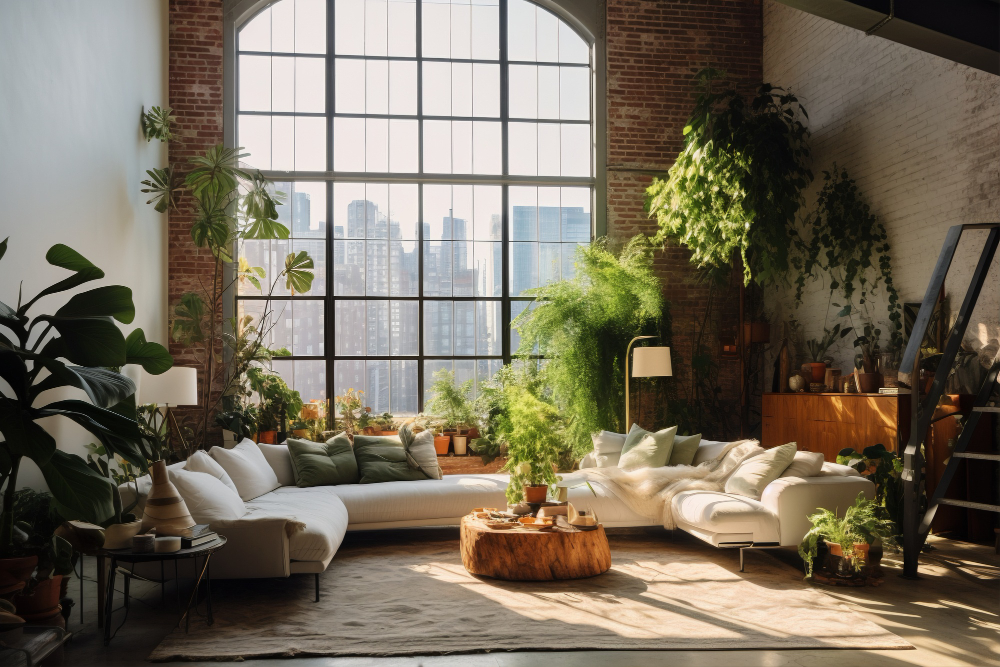
- Living elements like indoor plants and green walls are integrated to bring nature indoors.
- Water features such as fountains and aquariums are included to create a soothing environment.
- Organic shapes and patterns inspired by nature are used in design details and layouts.
- Air quality and thermal comfort are improved through natural ventilation and greenery.
Benefits of Biophilic Design
Biophilic design offers a wide range of benefits by connecting people with nature in everyday environments. It improves physical health, mental well-being, productivity, and overall quality of life by making indoor spaces more natural, calming, and comfortable. This approach is increasingly being adopted in homes, workplaces, schools, and healthcare facilities due to its proven positive impact on human experience.
Building on these advantages, the benefits of biophilic design can be understood across several key areas:
Health & Wellbeing
Biophilic design significantly improves physical and mental health by reducing stress, anxiety, blood pressure, and heart rate. It promotes relaxation, emotional balance, and can even help reduce depressive symptoms.
Cognitive & Performance Benefits
Exposure to natural elements enhances brain function and performance. Studies show that it can boost creativity by up to 15% and productivity by around 6%. It also improves concentration, memory, and attention, while supporting faster healing and recovery in healthcare environments.
Environmental & Social Benefits
This design approach supports sustainability by encouraging biodiversity and eco-friendly building practices. It also strengthens a sense of community and connection to place. Additionally, natural design elements help reduce energy use by improving temperature regulation and minimising glare.
Workplace & Educational Impact
In workplaces, biophilic design leads to higher employee satisfaction, better retention, and reduced absenteeism. In educational settings, it helps calm students, improve behaviour, and enhance learning outcomes by creating a more focused and supportive environment.
Biophilic Design Ideas for Different Spaces
Biophilic design can be adapted to a wide variety of environments, helping create healthier, more inspiring, and nature-connected spaces. Whether in homes, offices, healthcare facilities, or educational institutions, incorporating natural elements can enhance comfort, well-being, and functionality.
Residential Spaces
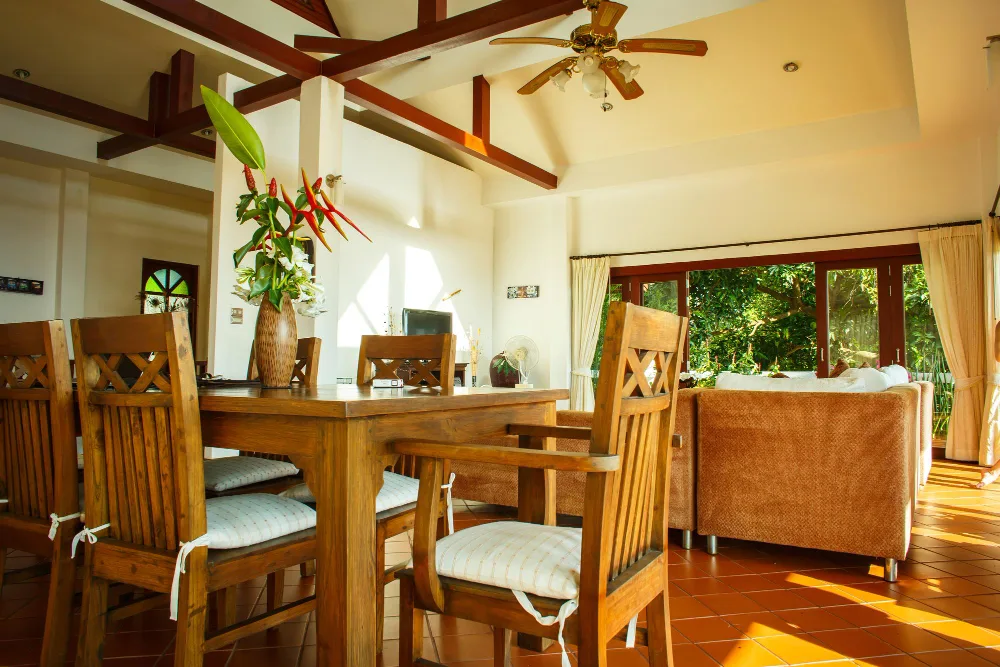
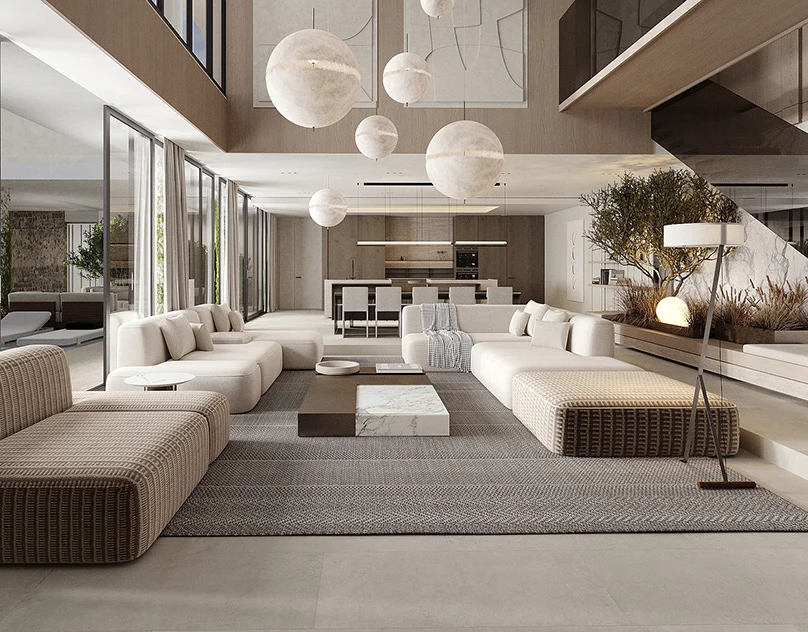
Homes can embrace biophilic design through features such as living walls, indoor gardens, and large windows that provide views of outdoor landscapes. Natural materials like wood flooring, stone accents, and organic fabrics further strengthen the connection to nature while creating warm and inviting interiors.
Commercial & Office Spaces
In commercial settings, biophilic design can improve employee well-being and productivity. Offices can incorporate potted plants, natural wood furniture, and layouts that maximise views of greenery or outdoor spaces. Reception areas may include water features, while biomorphic lighting fixtures and nature-inspired décor help create a more engaging and comfortable work environment.
Healthcare & Wellness Facilities
Healthcare facilities can benefit greatly from nature-integrated design. Patient rooms with access to natural views, healing gardens, and the use of natural materials can create a calming atmosphere that reduces stress and supports faster recovery. These elements contribute to a more positive experience for both patients and healthcare professionals.
Educational Spaces
Schools and learning environments can incorporate biophilic design through vegetated classrooms, green courtyards, and abundant natural light. These features help create a healthier and more stimulating learning environment, supporting student focus, well-being, and overall academic performance.
Modern Applications of Biophilic Design
Biophilic design is now being used in a wide range of environments, including homes, offices, hotels, hospitals, and schools. Designers incorporate natural elements such as indoor plants, green walls, natural light, water features, and sustainable materials to create healthier and more comfortable spaces.
Many modern buildings feature indoor gardens, greenhouse-style areas, and vegetation-covered structures that strengthen the connection between people and nature. The best interior designers in UAE and around the world are increasingly adopting these design principles in luxury residences, workplaces, and hospitality projects, creating spaces that are both visually appealing and supportive of well-being.
How to Incorporate Biophilic Design in Your Space
Bringing biophilic design into your space does not always require a major renovation. Small and thoughtful changes can help create a stronger connection with nature while improving comfort, well-being, and visual appeal. By incorporating natural elements and materials, you can transform your home or workplace into a more relaxing and inviting environment.
Start by maximising natural light through large windows, skylights, or open layouts that allow sunlight to flow throughout the space. Add indoor plants, vertical gardens, or living walls to introduce greenery and improve the atmosphere. Choose natural materials such as wood, stone, bamboo, and organic textiles for furniture, flooring, and décor.
You can also incorporate water features like small fountains to create a calming effect and select furniture, lighting, and decorative elements with organic shapes and nature-inspired patterns. For the best results, consider working with the best interior designers who have experience in biophilic design and can seamlessly integrate these concepts into a functional and aesthetically pleasing space.
Conclusion
Biophilic design is more than a design trend. It is a thoughtful approach to creating spaces that support human well-being and strengthen our connection with nature. Natural light, greenery, organic materials, and nature-inspired elements help improve health, productivity, creativity, and overall quality of life while contributing to a more sustainable built environment.
As the demand for wellness-focused and environmentally responsible spaces continues to grow, biophilic design is expected to play an even greater role in modern architecture and interior design. Whether for homes, offices, hotels, or commercial spaces, investing in biophilic design means investing in healthier, happier, and more sustainable environments. The expertise of the best interior designers helps transform these nature-inspired concepts into beautiful and functional spaces that meet the needs of modern living.