If you are planning a new office, retail store, or villa renovation, you may feel confused about whether you need interior design or interior fit-out. Choosing the wrong service can waste time and increase costs. Many people think both are the same, but they solve different problems. One focuses on planning and creativity, while the other focuses on construction. Read on to know which service matches your project goals and budget.
What Is Interior Design?
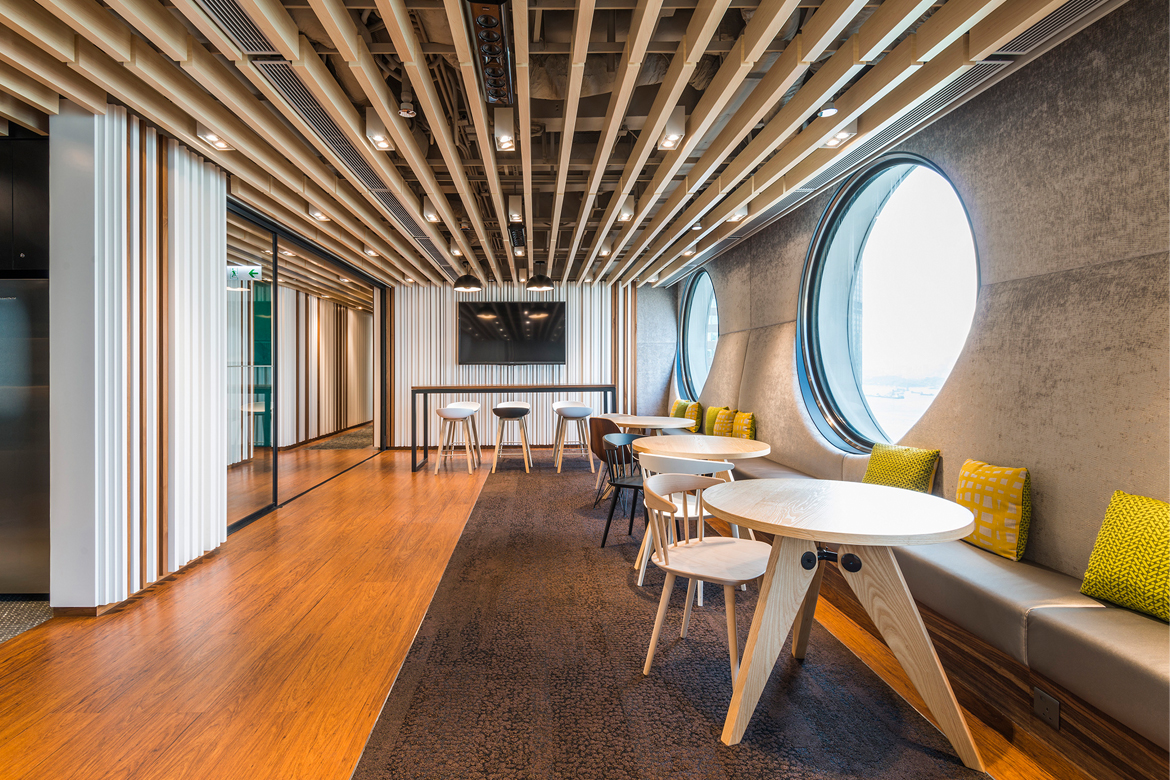
Interior design is the process of planning how a space should look, feel, and function before any construction begins. It includes concept development, space planning, mood boards, 3D rendering, architectural drawings, lighting design, and selection of FF&E such as furniture and fixtures. It is about shaping the vision.
Interior design focuses on aesthetics, functionality, and user experience. In residential interior design, the goal is comfort and lifestyle enhancement. In commercial interior design, the goal may be productivity, branding, and customer flow. Interior design ensures that every element inside a space works together in a balanced way.
What Does an Interior Designer Actually Do?
An interior designer studies the client’s needs and translates them into a workable design concept. They prepare layout drawings and select finishes that match both function and style. Their role is to create a clear visual direction before construction starts.
Interior design also includes coordination with consultants and reviewing site conditions to ensure the design can be executed properly. Designers focus on details such as lighting levels, circulation flow, and material harmony.
- Concept creation based on client requirements
- Layout planning for optimal space use
- Material selection including finishes and textures
- Lighting strategy for function and ambiance
- Color scheme development
- Client consultation and design presentation
What Is Interior Fit-Out?
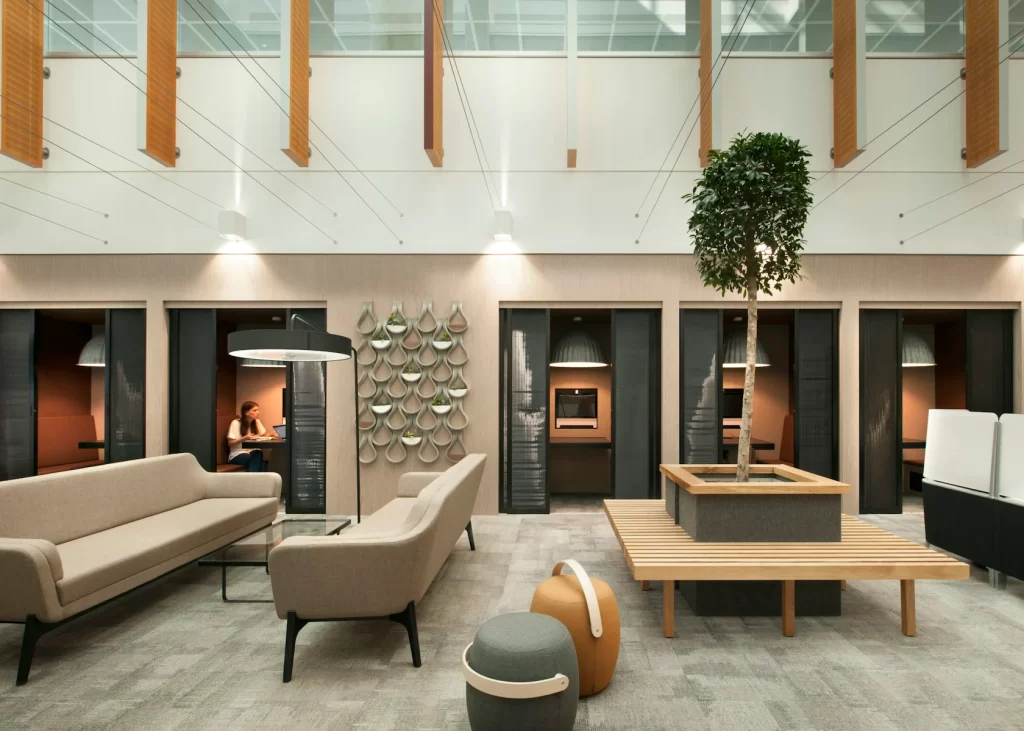
Interior fit-out is the stage where an empty shell space becomes fully usable. When a commercial unit is handed over in shell condition, it does not include partitions, ceiling works, flooring, or mechanical systems. Interior fit-out transforms that basic structure into a finished environment ready for occupancy.
Interior fit-out includes MEP works such as electrical wiring, plumbing, and HVAC installation. It also includes civil works, partitioning, ceiling works, flooring installation, joinery, and compliance approvals from authorities like Dubai Municipality, DDA, or Trakhees.
What Does a Fit-Out Contractor Handle?
A fit-out contractor manages the physical execution of the project. They work based on approved drawings and ensure that construction follows safety and regulatory standards. Their responsibility is to deliver the space as per specifications.
Interior fit-out requires coordination between engineers, technicians, and site supervisors. It is focused on accuracy, timelines, and compliance with building codes.
- Electrical systems installation
- Plumbing and drainage works
- Gypsum partitions and structural adjustments
- Flooring installation such as tiles or vinyl
- Ceiling works including false ceilings
- Custom joinery and carpentry
- Authority approvals and inspections
Interior Design vs Interior Fit-Out: Key Differences
Interior design and interior fit-out serve different purposes in a project lifecycle. Interior design happens before construction and focuses on planning and creativity. Interior fit-out happens during construction and focuses on execution and build out.
| Factor | Interior Design | Interior Fit-Out |
| Focus | Planning and creativity | Execution and construction |
| Stage | Before construction | During construction |
| Deliverables | Drawings and concepts | Physical build-out |
| Professionals | Designers | Contractors and engineers |
Interior design shapes the visual and functional plan, while interior fit-out implements that plan on site. Both are connected but operate at different stages.
How do you decide whether you need interior design or a fit-out?
Choosing between interior design and interior fit-out depends on your project stage and the condition of your space. A clear assessment of what you already have and what you want to achieve will help you avoid unnecessary costs and delays.
Starting With an Empty Shell
If you have received a new commercial space without partitions, flooring, electrical points, air conditioning ducts, or ceiling systems, you will require interior fit-out. This situation is common in shell and core units. The contractor installs MEP systems, partitions, flooring, and secures approvals so the space becomes operational, safe, and legally compliant.
Changing the Look of an Existing Space
When your office, villa, or retail unit already has functional systems but feels outdated or inefficient, interior design becomes the priority. A designer can rework space planning, lighting, and finishes without major structural changes. This approach improves functionality, brand image, and user comfort while keeping core systems intact.
Planning a Full Transformation
If your project involves both layout changes and construction work, you will need interior design followed by interior fit-out. Relocating rooms, modifying ceilings, and updating mechanical systems require clear drawings before execution. A structured design phase minimizes site errors, controls costs, and ensures smooth coordination during the build stage.
Having Approved Drawings in Place
When detailed and authority compliant drawings are already prepared, you can move directly into interior fit-out execution. The contractor follows the approved plans and manages installation, testing, and inspections. It remains important to confirm compliance with local regulations to prevent delays during final authority checks and approvals.
Cost Differences Between Interior Design and Fit-Out
Budget planning plays a major role in deciding between services. Costs vary depending on scope, materials, and compliance requirements.
Interior design fees in the UAE usually range between AED 50 to AED 250 per square foot. Some designers offer lump sum design packages based on project size and complexity.
Interior fit-out cost in the UAE varies by project type:
- Office fit-out: AED 300 to AED 800 per square foot
- Retail fit-out: AED 400 to AED 1200 per square foot
- Villa fit-out: AED 250 to AED 700 per square foot
Costs depend on:
- Material quality and brand selection
- Scope of work and customization
- MEP requirements
- Authority approvals and compliance standards
Interior fit-out is typically more expensive because it includes labor, materials, and technical systems.
Can One Company Handle Both?
Many firms operate as design and build companies, offering both interior design and interior fit-out under one contract. This approach ensures smooth coordination between planning and execution.
An integrated approach reduces miscommunication and speeds up project timelines. Designers and engineers work together from the start, improving budget control and minimizing rework.
Using one company for interior design and interior fit-out can simplify project management and create accountability under a single team.
How to Choose the Right Company for interior design or fit out
Selecting the right service provider requires careful evaluation of experience, compliance knowledge, and project management skills.
- Portfolio Review: Check completed projects similar to your scope and industry.
- Authority Approvals: Ensure the company has experience with Dubai Municipality, DDA approval, and Civil Defense compliance.
- Project Timelines: Ask for realistic schedules and milestone plans.
- Client Testimonials: Review feedback from previous clients.
- Insurance and Compliance: Confirm that the company carries proper insurance and safety certifications.
- Transparent BOQ: Request a clear bill of quantities outlining materials and scope.
Common Mistakes to Avoid
- Hiring only a contractor without a clear design plan, which can result in layout inefficiencies and rework.
- Ignoring authority approvals and compliance requirements, which may delay project handover.
- Underestimating MEP work and its impact on budget and timeline.
- Not reviewing the contract scope carefully before signing.
- Choosing the lowest quotation without evaluating quality standards.
- Skipping site supervision during execution.
- Failing to compare material specifications across quotations.
Making the Right Choice for Your Space
Interior design shapes the vision and defines how your space will function and feel. Interior fit-out brings that vision to life through construction and installation. Most commercial projects require both services to achieve the best outcome. By clearly identifying your project stage and goals, you can select the right solution, control your budget, and ensure your space is safe, compliant, and aligned with your expectations.