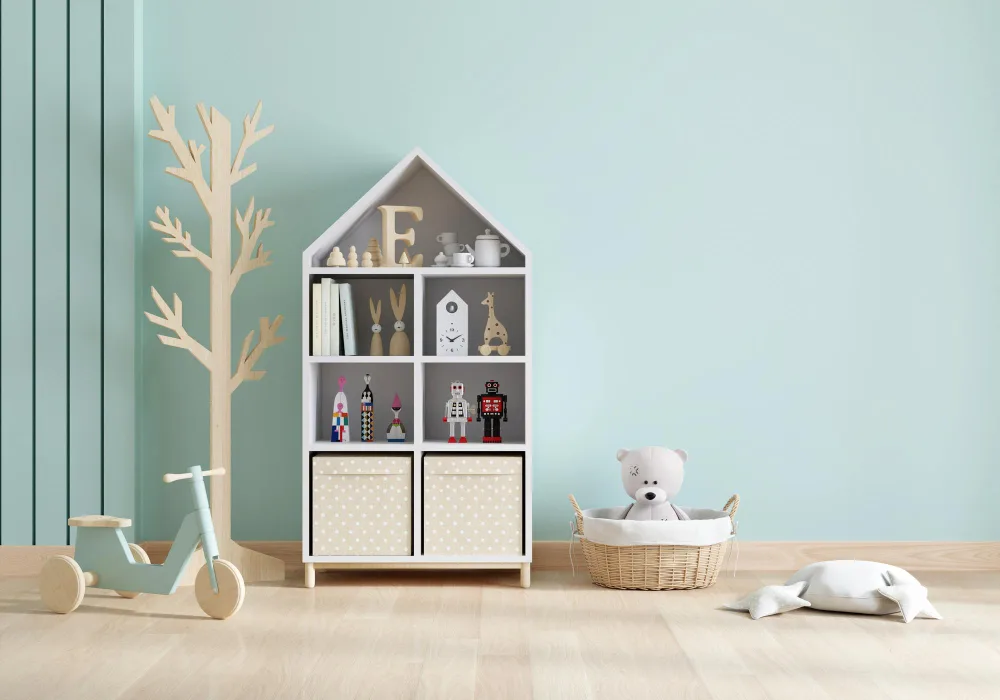
Planning a future-ready kids’ room means thinking beyond temporary trends and age-specific themes. A well-planned children’s room interior saves money, reduces stress, and supports changing routines from early childhood to teenage years. Smart Kids’ room interior design focuses on adaptable furniture, efficient storage, and flexible layouts that remain functional and stylish for many years. Below are structured strategies to help you design a space that grows with your child while maintaining safety, comfort, and long-term value.
Why Consider A Kids’ Room That Grows With Your Child
Children move quickly from early childhood to teenage years. Their needs shift from play-focused layouts to study-centered routines and later to privacy and personal expression. A room designed only for one age stage becomes impractical within a few years.
A future-focused kids’ room interior design approach ensures furniture, layout, and children’s bedroom decor ideas evolve without major renovation. Luxury interiors are not about expensive decoration. They reflect thoughtful planning, durable materials, and flexible design that supports every stage of development. Designing a room that grows with your child reduces waste, prevents frequent upgrades, and creates emotional continuity as they mature in the same environment.
1. Choose Furniture That Grows With Them
Furniture decisions directly affect how long a children’s room interior remains practical. Instead of selecting age limited designs, focus on adaptable furniture that adjusts to height, storage needs, and daily routines as children grow from toddlers to teenagers.
Investing in convertible pieces reduces replacement frequency and protects long term value. A well designed children’s bedroom wardrobe with adjustable shelves and rods supports toys first, then books, clothing, and accessories without requiring complete redesign.
Best furniture options for a future ready kids’ room:
•Convertible cribs that transform into toddler or day beds
• Height-adjustable desks and ergonomic study chairs
• Modular children’s bedroom wardrobe systems with flexible compartments
• Loft or cabin beds that create study or storage space below
• Expandable storage benches with hidden compartments
2. Plan Vertical and Smart Storage
Storage planning is essential in kids’ room interior design, especially in compact homes where space is limited. Children accumulate toys, books, clothing, and school materials quickly. Without structured storage solutions, clutter builds up and reduces usable floor space significantly over time.
Vertical storage maximizes wall height while maintaining openness in the room. Tall shelving units, bunk beds with drawers, and under-bed compartments increase capacity without overcrowding. Smart organization allows toys to transition into book storage and hobby equipment as children grow.
A well-planned children’s bedroom wardrobe should include adjustable rods and removable shelves to accommodate changing storage needs. Flexible compartments allow clothing, books, and accessories to be organized efficiently. Early planning prevents overcrowding and keeps the children’s room interior structured for many years.
3. Create Functional Zones
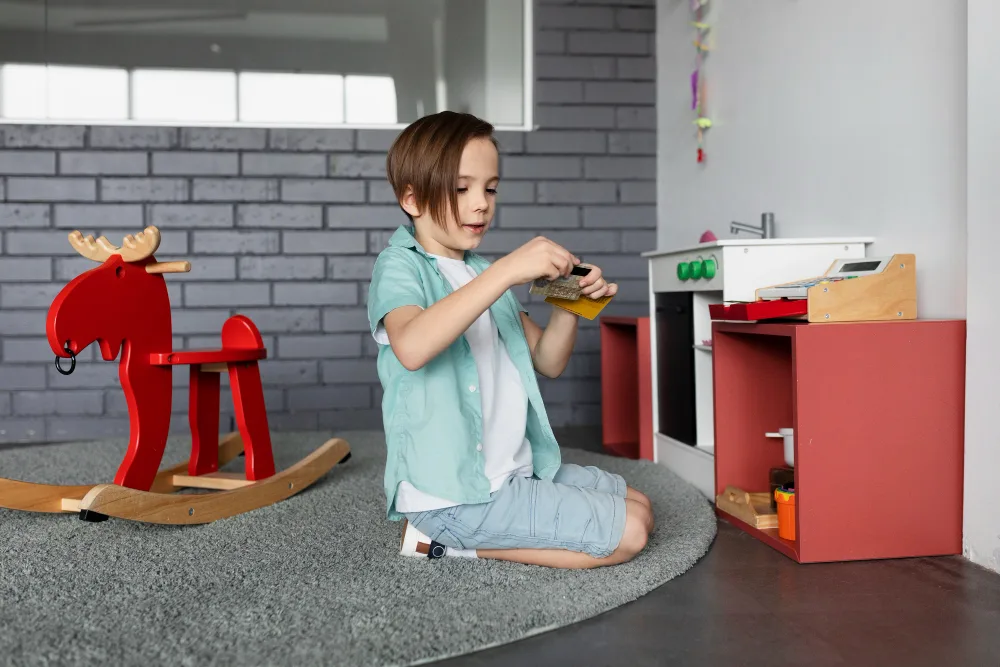
Zoning improves organization and daily structure within a children’s room interior. Even small bedrooms benefit from clearly defined areas that support sleep, study, and play. Structured zoning reduces distraction and helps children adapt to routines more easily as they mature.
A sleep zone should feel calm and separate from activity areas. The study zone should receive natural light and proper desk positioning to improve focus. A play or creative zone can encourage imagination during early years and later evolve into a hobby or relaxation corner.
Instead of building permanent walls, use rugs, lighting changes, or movable furniture to define spaces. Flexible zoning allows easy adjustments as children grow. Well-planned kids’ room interior design maintains balance between activities while ensuring long-term adaptability and efficient use of space.
4. Choose Neutral Walls and Update Decor Easily
Neutral walls create a strong and lasting base for children’s bedroom paint ideas. Colors like beige, soft grey, sage, or warm white work well from early childhood to teenage years. A neutral background prevents the room from looking outdated as preferences and interests change.
Add personality through simple, replaceable decor such as removable wallpaper, rugs, cushions, bedding, and framed artwork. These elements can be updated without repainting or replacing furniture. Changing decor is faster and more cost-effective than redesigning the entire room.
In practical kids’ room interior design, the structure stays stable while the styling evolves. Keep walls and large furniture consistent, and refresh smaller decorative items over time. This method keeps the room balanced, modern, and adaptable without major disruption.
5. Design a tech-ready but controlled setup.
Technology becomes essential as children grow and academic demands increase. Planning early prevents unsafe wiring, cluttered cables, and poorly placed electrical points. A structured approach ensures devices integrate smoothly into the children’s room interior without disrupting design balance.
Charging stations should be built into drawers or desks to reduce visible wires. Cable management systems keep study areas clean and organized. Layered lighting that combines ambient and task lighting supports screen use while protecting eyesight.
Early electrical planning prevents costly wall damage and later modifications. Safe, accessible power outlets ensure convenience without compromising safety. A controlled tech setup supports productivity, maintains visual cleanliness, and aligns with future-focused Kids’ room interior design principles.
6. Prioritize Durability and Easy Maintenance
Children use their rooms actively every day, so materials must withstand constant wear. Selecting durable finishes protects long-term investment and reduces frequent repair or replacement costs within the children’s room interior.
Scratch-resistant laminates, washable paints, solid wood, and high quality engineered wood provide strength and longevity. Stain-resistant fabrics make cleaning easier and maintain appearance. Durable materials ensure furniture remains functional through multiple growth stages.
Easy maintenance supports hygiene and keeps the room visually fresh without excessive effort. A strong children’s bedroom wardrobe and study desk can last for many years when built from quality materials. Choosing resilience over delicate finishes ensures lasting performance and reliability.
7. Plan Ahead Lighting and Comfort
Lighting influences focus, sleep patterns, and overall mood inside a children’s room interior. A balanced lighting plan ensures functionality during study time and comfort during relaxation hours. Proper illumination reduces eye strain and supports healthy daily routines across different age stages.
Layered lighting works best in Kids’ room interior design. Combine ceiling fixtures for general brightness with task lighting for study areas and softer bedside lamps for evening reading. This approach maintains visual balance and adapts to changing daily activities.
Comfort also depends on climate management and color selection. Blackout curtains help regulate sunlight and improve sleep quality. Soft children’s bedroom paint ideas in calming shades create a peaceful atmosphere that supports rest and concentration.
8. Keep the Layout Flexible
Rigid layouts limit future adaptation and make redesign expensive. Planning open circulation areas ensures the children’s room interior remains usable as needs change from active play to structured study routines.
Flexible design allows furniture to shift positions without major disruption. Spacious planning often seen in luxury interiors in RAK focuses on open central areas and movable elements that support transformation across different age stages.
Tips to maintain flexibility:
• Keep the center floor area open for multi use activities
• Avoid fixed built in furniture where possible
• Choose lightweight movable storage units
• Leave wall space available for future shelves or desks
• Plan extra clearance for hobby or sports equipment
9. Involve the Child in the Process
When children participate in design choices, they feel ownership and emotional connection to the space. This involvement encourages responsibility and care for their surroundings while strengthening confidence and independence during different growth stages.
Allowing children to share opinions on colors, decor elements, and furniture arrangement makes the room more meaningful. Even small decisions such as selecting bedding or artwork create a sense of belonging within the children’s room interior.
Participation also reduces repeated redesign requests. A room shaped with their input supports emotional comfort while maintaining structured kids’ room interior design principles that focus on flexibility and long-term value.
Common Design Mistakes to Avoid in Children’s Bedrooms
• Choosing heavily themed furniture that becomes outdated quickly
• Ignoring vertical and smart storage planning
• Overcrowding the room with excessive decor
• Placing the study desk in poorly lit areas
• Selecting fragile or hard-to-maintain materials
• Installing fixed furniture that limits future flexibility
• Neglecting long-term growth and usability planning
• Prioritizing decoration over functionality in Kids’ room interior design
Creating a Space That Adapts Over Time
A future-ready kids’ room is built on flexibility, durability, and thoughtful planning. Instead of redesigning every few years, create a neutral foundation with adaptable furniture and organized storage. Strong zoning, practical lighting, and quality materials ensure the children’s room interior remains functional from early childhood to teenage years. When planned correctly, the room supports growth, creativity, comfort, and independence without major structural changes.