Customers quickly form an opinion the moment they enter a store, and clean layouts, proper lighting, and clear product visibility instantly signal whether your business is reliable or not. Poor design creates doubt even before a product is touched, while strong retail design builds confidence, encourages exploration, and increases conversions without extra sales effort. Read on to know how modern retail design directly influences trust and buying decisions.
Why First Impressions Decide Retail Success
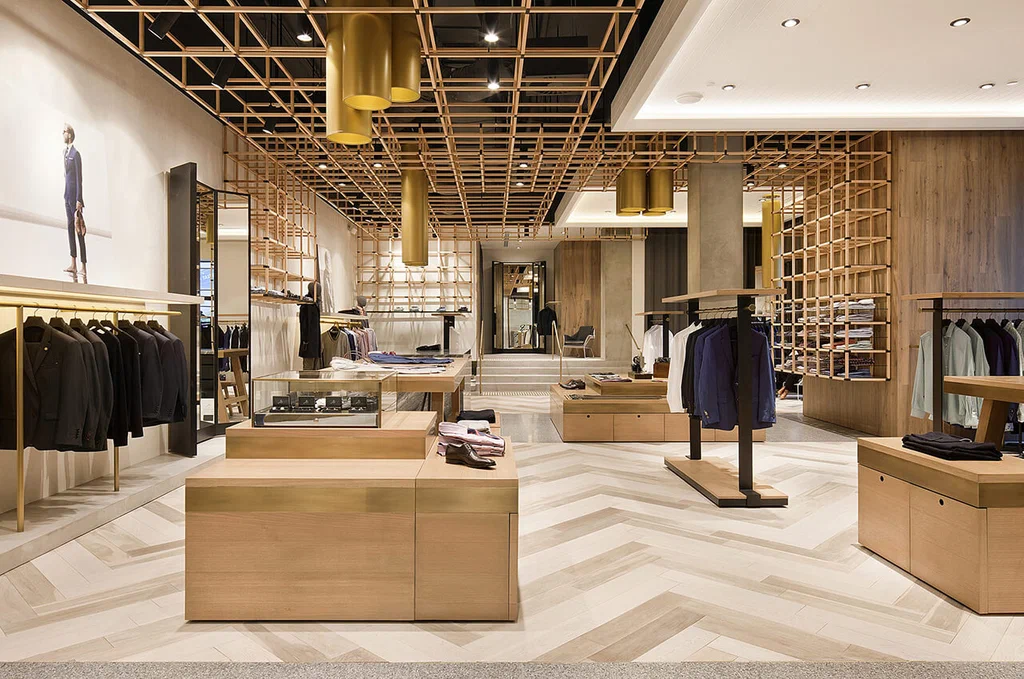
The first few moments inside a store influence whether a customer stays or leaves. Visual clarity, smooth space flow, and immediate comfort create early trust signals. A well organized store gives a sense of control and professionalism, allowing customers to scan products easily, move freely, and locate sections without confusion.
A messy or poorly lit store sends the opposite message, making visitors doubt product quality and pricing honesty. When a customer enters a clean and structured retail space, it is processed as safe and reliable even before any staff interaction. Businesses that invest in presentation gain a clear advantage without relying on additional marketing effort.
How Store Layout Influences Customer Trust
Store layout plays a direct role in how comfortable customers feel while browsing. A structured Store layout directly affects how comfortable customers feel while browsing. A structured layout removes confusion and creates a sense of order, helping customers move easily and find products quickly. Grid layouts suit fast shopping environments, while free flow layouts encourage exploration. A retail store interior designer ensures smooth navigation, improving confidence, engagement, and purchase decisions.
- Clear pathways improve movement and reduce confusion
- Logical product grouping helps faster decision making
- Entry zone design sets the browsing direction
- Wide aisles increase comfort and accessibility
- Strategic product zoning improves visibility
- Checkout placement affects overall store flow
- Consistent layout structure builds customer familiarity
Lighting Design That Builds Transparency
Lighting affects how customers perceive both products and the overall store environment. Bright, balanced lighting creates clarity and builds trust by showing true product details. When visibility is consistent and comfortable, customers feel confident while evaluating items, reducing hesitation and improving overall purchase decisions.
Bright vs Ambient Lighting in Retail
Bright lighting improves visibility and allows customers to see accurate colors, textures, and finishes. Ambient lighting adds warmth and comfort but should not reduce clarity. A balanced combination ensures products appear natural, supports easy comparison, and maintains a pleasant shopping atmosphere that encourages confident decision making.
Highlighting Products Without Overpowering
Spotlights and shelf lighting help direct attention to key products without overwhelming the space. Proper placement avoids shadows and glare that can distort appearance. Balanced lighting highlights product features clearly, allowing customers to compare options easily and feel confident about quality, value, and pricing decisions.
Material Choices That Signal Quality
Materials used in retail interiors influence how customers judge quality and reliability. Finishes, textures, and durability create immediate impressions about the brand. When materials appear strong, clean, and well maintained, they signal professionalism and long term value, helping customers feel more confident about the products offered.
- Glass surfaces improve visibility and create a clean appearance
- Polished metal adds a modern and premium finish
- Treated wood brings warmth and a natural feel
- Matte finishes reduce glare and improve product focus
- High pressure laminates offer durability with cost control
- Stone surfaces enhance luxury perception and longevity
- Scratch resistant coatings maintain long term appearance
- Easy to clean materials support hygiene and maintenance
- Consistent textures improve visual balance across the store
- Durable flooring handles heavy foot traffic effectively
Visual Merchandising That Drives Buying Confidence
Product display plays a key role in how customers evaluate value and make decisions. Organized and strategic placement improves visibility and reduces confusion. When products are presented clearly and attractively, customers feel more confident while browsing, which increases engagement and supports faster purchase decisions.
Eye Level Product Placement Strategy
Products placed at eye level attract maximum attention and are often perceived as more important. This positioning helps customers notice key items quickly and reduces effort in searching. Clear visibility supports faster comparisons and encourages confident decisions, especially in stores with multiple product options available.
Minimal vs Overstocked Displays
Minimal displays create a clean and premium look that reduces confusion and highlights product value. Overstocked shelves can overwhelm customers and make products appear less organized. A balanced display approach ensures clarity, improves focus, and helps customers feel more comfortable while exploring available options.
Organized shelves improve clarity and make browsing easier for customers. Highlighted products guide attention naturally, while clear labeling removes confusion about pricing and features. Consistent spacing improves visual balance, helping customers compare items easily and building trust through a structured and professional presentation.
Role of Branding Consistency in Retail Spaces
Consistent branding across the store builds familiarity and credibility. Customers trust businesses that present a clear and unified identity.
Brand colors, fonts, signage, and display styles should remain consistent across all sections of the store. This alignment reinforces recognition and creates a professional image. When customers see the same identity across branches or online platforms, it strengthens trust.
A retail shop interior designer ensures that every design element reflects the brand personality. Consistency reduces confusion and helps customers feel secure about their purchasing decision. It also makes the store more memorable, encouraging repeat visits and word of mouth promotion.
How Professional Design Improves Customer Experience
Professional design improves both functionality and customer flow, creating a smooth and enjoyable shopping experience. It focuses on movement, visibility, and comfort, ensuring customers can browse easily, find products quickly, and complete purchases without confusion or delay, which increases satisfaction and overall store performance.
- Plans entry points to create a strong first impression
- Designs smooth pathways to improve customer movement
- Optimizes product placement for better visibility
- Reduces congestion in high traffic areas
- Improves checkout flow to minimize waiting time
- Adapts layout for both quick visits and longer browsing
- Enhances comfort through spacing and accessibility
- Increases customer engagement through strategic design
- Supports higher footfall and longer visit duration
- Improves conversion rates through better experience
Retail Design Costs in UAE
Retail design costs in the UAE depend on store size, materials, and overall complexity. Basic to mid range retail fit out typically ranges from AED 80 to AED 200 per square foot, while premium spaces can reach AED 200 to AED 400. Design services alone cost around AED 5,000 to AED 25,000 or more. Factors such as layout complexity, materials, custom fixtures, and lighting significantly influence the final investment.
Common Retail Design Mistakes That Reduce Trust
- Poor lighting: Hides product details and creates doubt
- Confusing layout: Makes navigation difficult and frustrating
- Inconsistent branding: Reduces credibility and recognition
- Low quality materials: Give a cheap and unreliable feel
- Overcrowded displays: Overwhelm customers and reduce clarity
- Lack of signage: Makes product finding difficult
- Narrow aisles: Reduce comfort and restrict movement
- Poor checkout placement: Causes delays and customer dissatisfaction
How to Choose the Right Retail Interior Partner
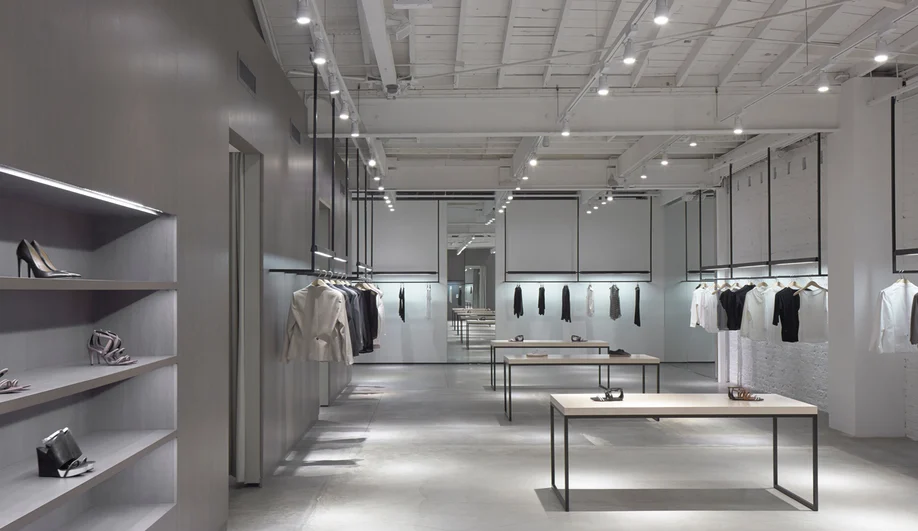
Selecting the right design partner ensures your investment delivers long term results with fewer risks. Experience, clear communication, and a structured process are essential for successful execution. A reliable interior design company aligns design strategy with business goals, improves efficiency, and ensures both visual appeal and functional performance.
Reviewing portfolios helps assess experience in similar retail projects, while industry expertise ensures relevance to your business type. Clear communication prevents delays and confusion during execution. Choosing a partner that offers turnkey solutions simplifies the process by covering both design and full project delivery.
What Makes a Retail Store Look Professional
- Clean layout improves movement and reduces confusion
- Balanced lighting enhances visibility and customer comfort
- Clear displays help customers evaluate products easily
- Consistent branding strengthens identity and builds trust
- Organized shelving improves clarity and browsing efficiency
- Easy navigation supports smooth customer movement
- Quality materials create a premium and reliable feel
- Effective signage improves product discovery and guidance
How Often Should Retail Stores Update Their Design
Retail stores should update their design periodically to remain relevant and maintain customer interest. Most businesses refresh their interiors every three to five years to keep the space aligned with current expectations. Smaller updates such as display adjustments or lighting improvements can be done more frequently to maintain freshness and avoid a dated appearance.
Future Trends in Retail Design
Retail design continues to evolve with changing technology and rising customer expectations. Modern stores focus on creating interactive, efficient, and visually engaging environments that improve both experience and functionality. Businesses that adapt to these trends can strengthen customer trust, improve engagement, and stay competitive in an increasingly experience driven retail landscape.
- Smart lighting systems: Adjust brightness automatically based on time, activity, and customer movement to improve visibility and energy efficiency.
- Digital displays and screens: Enhance product communication, promotions, and real time updates to create a dynamic in store experience.
- Sustainable material usage: Eco friendly materials improve brand perception and attract environmentally conscious customers.
- Interactive store layouts: Encourage exploration through touchpoints, demos, and experiential zones that increase engagement.
- Omnichannel integration: Connect physical stores with online platforms for seamless shopping and consistent brand experience.
- Minimal and clean design: Reduce clutter to highlight products better and create a premium and organized store feel.
Building Trust Through Modern Retail Design
Retail design goes beyond appearance and directly influences how customers feel, behave, and make decisions inside a store. A well planned layout, proper lighting, quality materials, and consistent branding create a reliable environment. Working with a retail store interior designer or retail shop interior designer helps build trust, increase customer retention, and support long term business growth.
Professional Interior Solutions for Modern Retail Spaces
If you are looking for reliable and high quality retail design solutions, Fine Interior is a trusted interior fit out company focused on creating functional, visually appealing store environments that build customer trust and improve sales performance. We deliver practical and modern retail interiors across the UAE, ensuring efficient layouts, quality materials, and seamless execution for long lasting impact and a consistently professional brand experience.