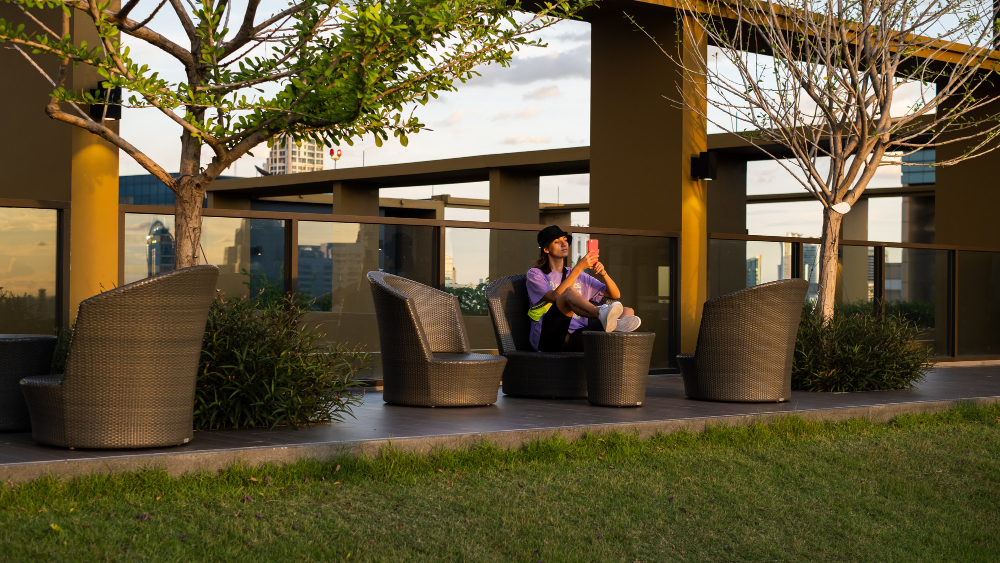
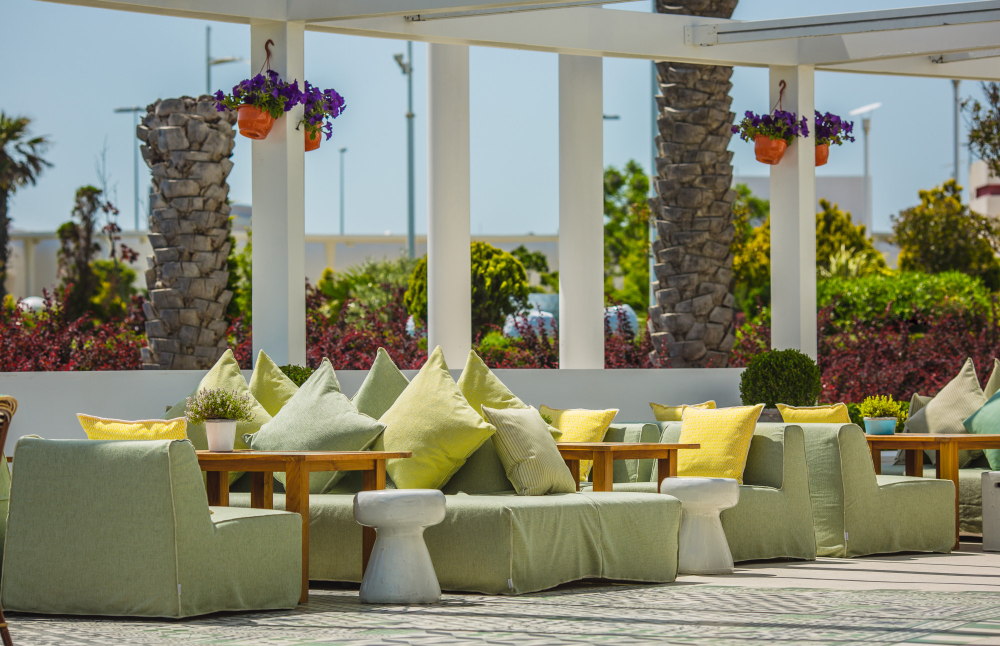
From the moment you step into a luxury hotel or resort in Dubai, the interiors provide an unforgettable experience. Luxury hospitality interiors in Dubai turn each corner into an extraordinary space for the visitors and guests.
The hospitality interior design in Dubai combines traditional geometric patterns, intricate designs, modern technology, and sustainable practices. In this blog, let us explore the major factors shaping Dubai’s hospitality interiors and the modern design trends.
Factors Influencing Hospitality Interior Design in Dubai
Cultural Influences
Many interior designs in the hotels of Dubai have incorporated elements of traditional Arabic design like ornate details, intricate carvings, and elegant geometric patterns. Additionally, earth tones and natural stones used in the interior design show the desert lifestyle in the Emirates.
Diverse guests
Dubai is a happening place and welcomes many visitors every year from all over the world. They will have their preferences, lifestyle needs, and expectations. This diversity also influences the hospitality interior design for adaptable and inclusive spaces.
Hotels, resorts, and restaurants blend international design trends and local elements so that every guest feels welcomed. From open lounges to private suites, interiors are planned to fulfill the needs of both business travelers and leisure tourists.
Climate conditions
The hot climate of Dubai also plays an important role in the interior design choices. The interior designers use heat-resistant materials, advanced cooling systems, and layouts that maximize the airflow, improving guest comfort.
Sustainable practices
Sustainable practices have become important in the modern hospitality design in Dubai. Many hospitality interior design projects use reclaimed wood and recycled metals.
Moreover, energy-efficient LED lighting, water-saving mechanisms, and solar panels are becoming increasingly common in luxury hotels and resorts. By integrating eco-friendly practices, Dubai’s hospitality sector is going to attract environmentally conscious travelers.
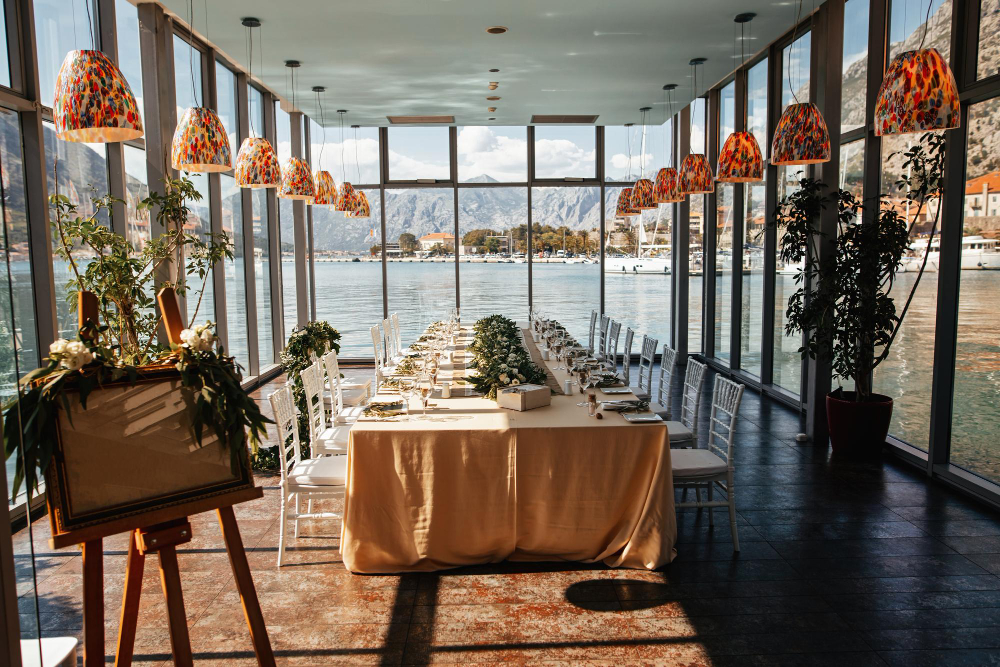
Technology integration in modern hospitality design
Smart room controls
In cities like Dubai, guests have complete control over their environment through smart room controls in the hotels and resorts. Using intuitive mobile apps, tablets, and voice assistants like Alexa, guests can adjust lighting, temperature, and entertainment systems according to their preferences in hotels, restaurants, etc.
These systems help to personalize the guest experience and improve the operational efficiency of the hotels and resorts in Dubai. It also contributes to sustainability by reducing unnecessary energy use in the hospitality sector.
Contactless check-in services
Hotels and resorts in Dubai use contactless check-in systems so that the guests and visitors can skip queues and check in through kiosks, mobile apps, and face recognition systems.
LED lighting systems
LED lighting systems can be integrated with smart controls. With this, hotels can tailor lighting according to the situation, ensuring minimal power consumption. Motion sensors are installed in the hotel interiors so that lights will turn off automatically in the unoccupied spaces.
Integrated audio-visual systems
Luxury hospitality interiors in Dubai feature integrated audio-visual systems allowing good control over music, video, and event setups. Guests and staff can easily tailor event atmospheres and presentations as it supports operational flexibility and guest entertainment.
Modern trends in hospitality interior design
Biophilic Design
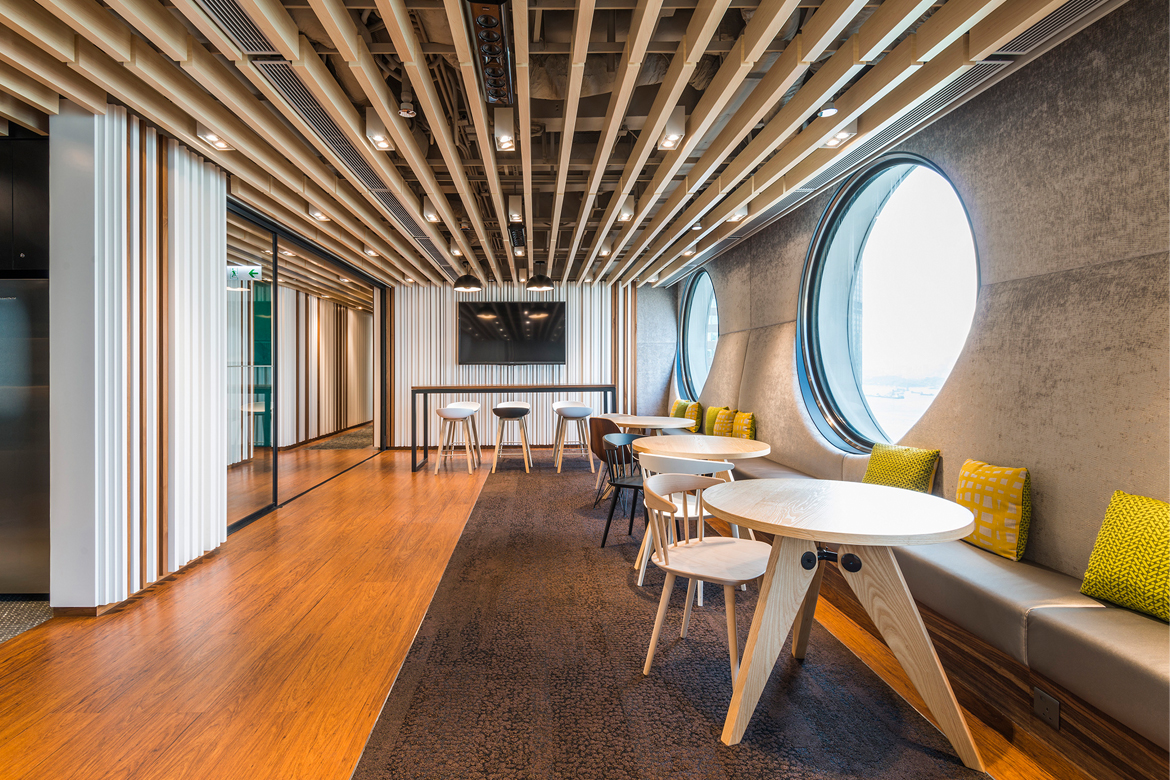
Biophilic design is all about bringing natural elements like plants, wood, stone, water, etc., into hospitality spaces to create a calming and serene environment for businesses in Dubai. Luxury hotels and resorts in the UAE incorporate features like indoor plants, gardens, living walls, and water elements with natural flow of light.
Additionally, using materials like stone, wood, and bamboo enhances the organic feel while promoting sustainability. Beyond providing visual appeal and aesthetics, biophilic elements improve air quality, reduce stress, and encourage longer guest stays in the resorts and hotels in Dubai.
Minimalist Design
Minimalist hospitality interior design focuses on simplicity, clarity, and purposeful utilization of spaces. The luxury hotels in Dubai often adopt clean lines, neutral color palettes, and minimalistic design.
Everything, like a piece of furniture, a lighting fixture, or a decorative element, is carefully chosen according to the function and quality. A minimalist interior design approach reduces the visual clutter and creates a perfect space for branding and other events, allowing guests to feel relaxed.
Custom art pieces
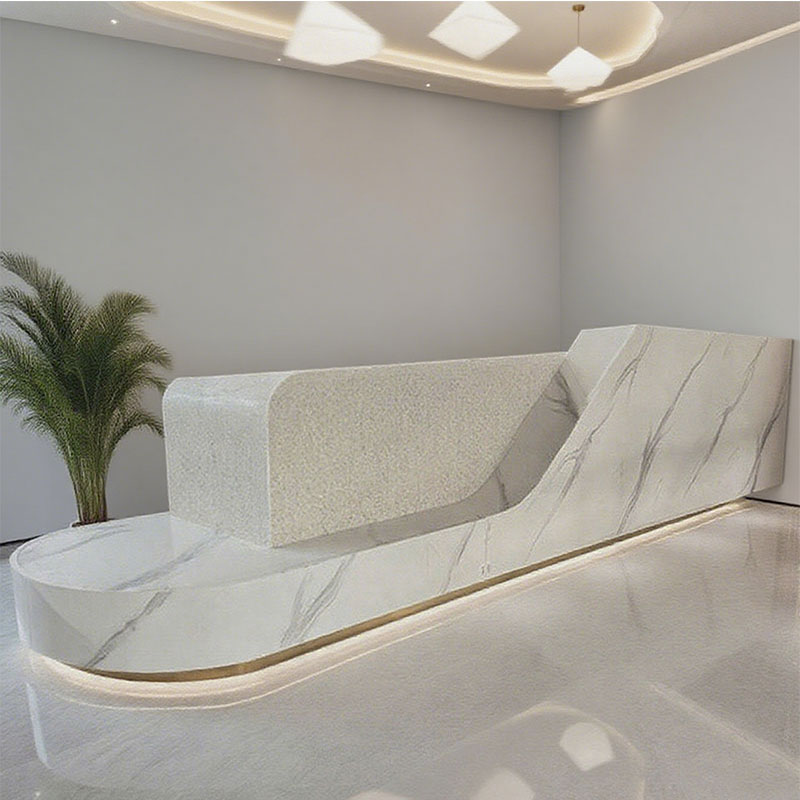
Custom art has become a main feature in high-end hospitality design. Local or international artists create pieces that align with your brand and reflect your property theme. These pieces could be attractive reception installations or subtle artworks in rooms.
Flexible multi-use spaces
Meeting rooms are specifically designed to convert into event spaces, studios, and private dining rooms in minimal time. Hotel lobbies can also be transformed for social meetings during evenings and nights. The use of modular furniture, movable partitions, and adaptive lighting arrangements makes these possible.
The role of interior design in Dubai’s hospitality sector
The hospitality sector in Dubai is highly competitive with hotels, resorts, restaurants, cafes, and entertainment venues. Hospitality interior design makes your brand distinct from others. Additionally, guests arriving at your hotel, cafe, or restaurant should feel welcomed with an elegant interior design.
A well-designed space:
- Creates a positive impression for the guests and visitors.
- Showcases the brand values.
- Encourages repeat visits and longer stays.
- Improves guest comfort and makes them feel valued.
Conclusion
Luxury hospitality interiors in Dubai are a combination of cultural richness, innovation, and sustainability. The cultural influences, design according to climate conditions, use of advanced technology, etc., in the interior of hotels enhance the guest experience.
And modern trends like biophilic elements, minimalist layouts, and flexible spaces ensure that hotels in Dubai stay ahead in offering comfort, luxury, and functionality. In a competitive market like Dubai, hospitality interior design can be used to create lasting impressions and experiences and strengthen the brand identity and image.