Natural light does more than brighten a room. It shapes the atmosphere of a space, influences how colours appear, and affects how comfortable and welcoming a home feels. Interiors filled with daylight often appear more open, calm, and visually appealing, making natural light one of the most valuable elements in interior design.
A professional interior design company understands how to work with light to enhance both form and function. Through thoughtful planning, layout optimisation, and material selection, designers can help bring more natural light indoors. In this blog, we explore effective design strategies that create brighter, healthier, and more inviting interiors.
Why Natural Light Matters in Interior Design
- Natural light improves physical and mental well-being by enhancing mood, regulating sleep patterns, and creating a calm indoor environment.
- Increased daylight reduces dependence on artificial lighting, leading to energy savings and more sustainable interior spaces.
- Sunlight enhances interior aesthetics by highlighting colours, textures, and architectural details while making spaces feel larger and brighter.
- An experienced interior design company plans layouts, window placements, and materials to maximise natural light while maintaining comfort and privacy.
Strategic Window Placement and Design
Choosing the Right Window Size and Positioning
Selecting the correct window size and placement ensures that natural light enters effectively while maintaining privacy and comfort. Proper positioning also helps reduce glare and evenly distribute daylight throughout the room.
Floor-to-Ceiling and Bay Windows
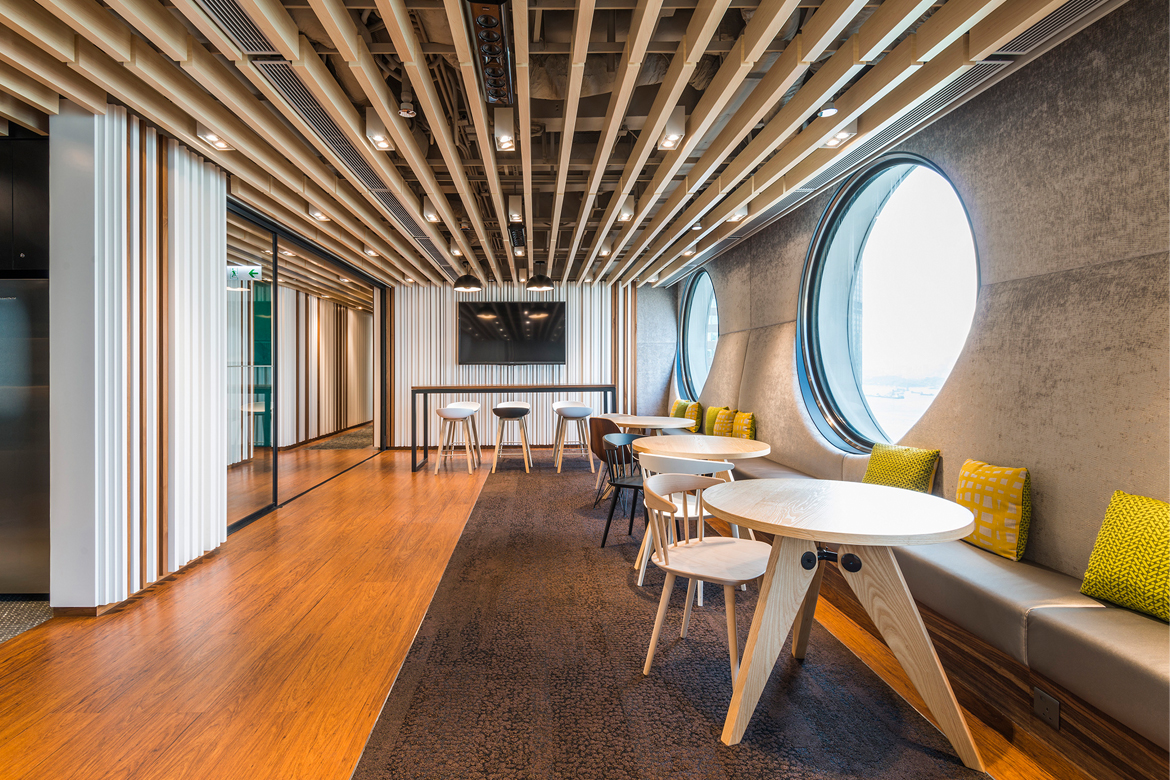
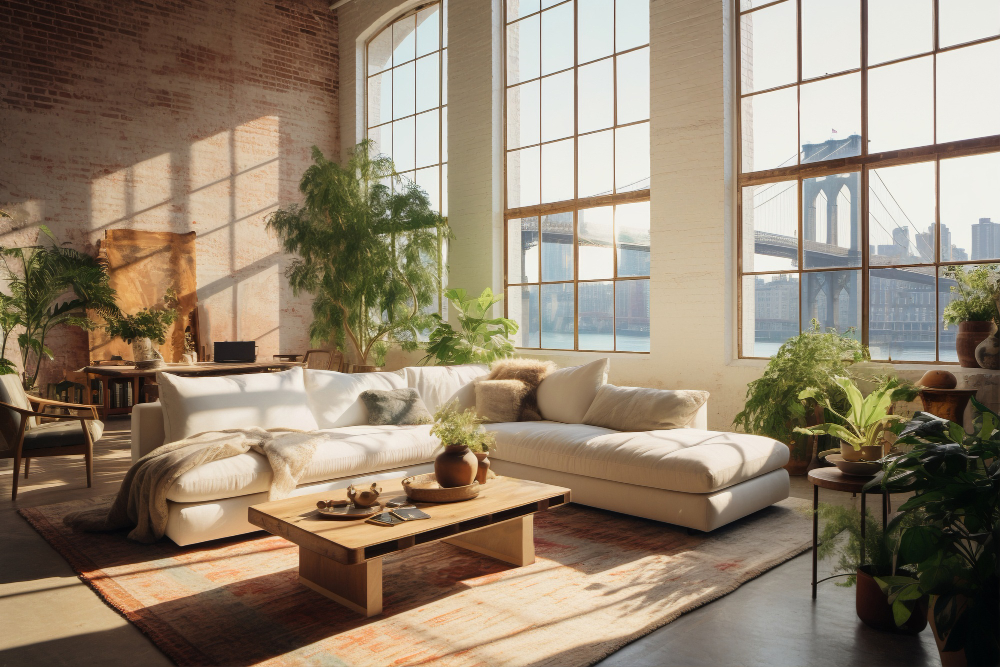
Floor-to-ceiling and bay windows create a sense of openness and allow maximum daylight to flood the space. These types of windows not only brighten interiors but also make rooms appear larger and more inviting.
Using Glass Doors and Sliding Panels
Glass doors and sliding panels allow light to flow between rooms and connect indoor spaces seamlessly. They help eliminate dark corners and make smaller areas feel more spacious.
Multiple Window Placement
Installing windows on adjacent walls or corners increases light penetration, creating a well-balanced, naturally bright interior. This strategy ensures daylight reaches more areas of the room and enhances overall comfort.
Open Floor Plans for Better Light Flow
- Removing Unnecessary Partitions: Eliminating non-structural walls allows natural light to travel deeper into the interior, making rooms feel more spacious and airy. Open layouts also improve air circulation and create a seamless connection between different areas of the home.
- Connecting Living, Dining, and Kitchen Spaces: Integrating commonly used spaces such as the living room, dining area, and kitchen enhances light distribution throughout the home. This connectivity ensures that daylight reaches multiple zones, brightening even central areas that would otherwise remain dim.
- Use of Half Walls and Glass Partitions: Half walls and glass partitions offer a subtle separation that does not block light. They maintain an open feel while allowing light to pass through, creating a balance between privacy and illumination.
- Strategic Furniture Placement: Arranging furniture away from windows and open pathways helps natural light flow freely across the space. Thoughtful placement prevents shadows and ensures that daylight brightens the room effectively, enhancing the overall sense of openness.
Use of Light Colours and Reflective Surfaces
- Light Wall Paints and Ceilings: Using light colours on walls and ceilings helps reflect natural light throughout the room, making spaces feel brighter and more open. Shades like white, cream, soft pastels, and light neutrals amplify daylight and create an airy atmosphere.
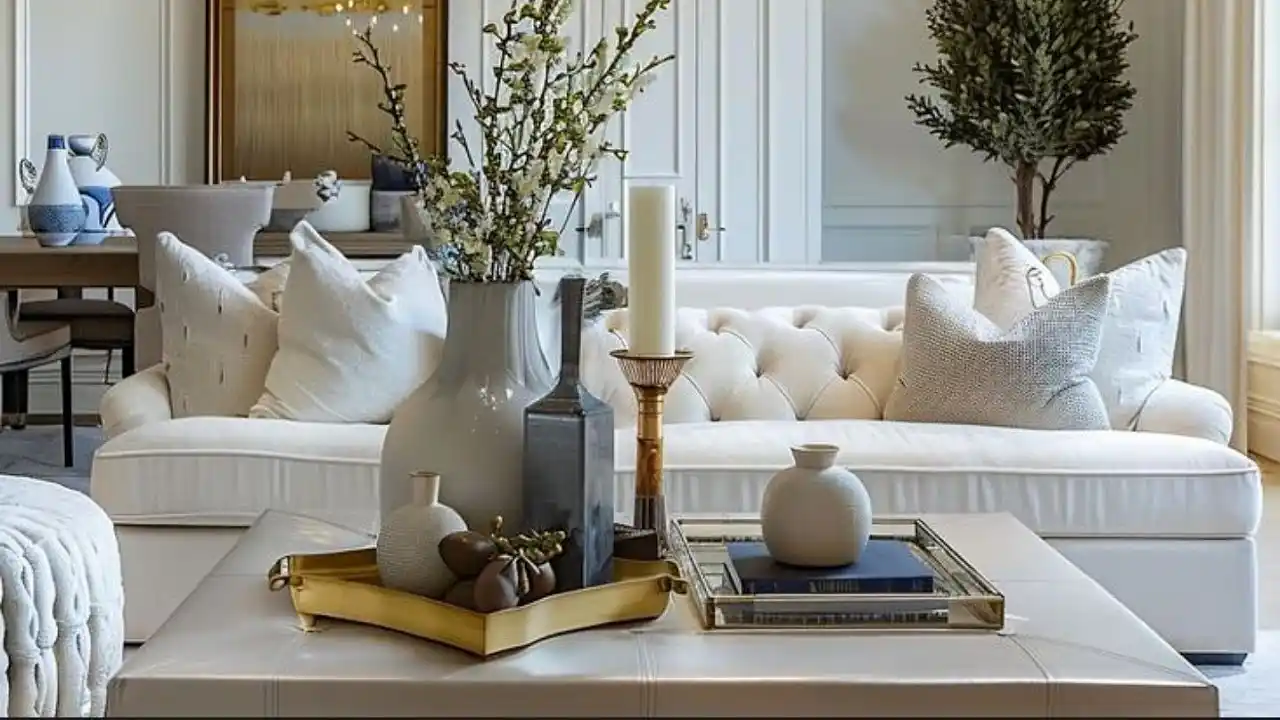
- Glossy Finishes, Mirrors, and Glass Elements: Incorporating glossy surfaces, mirrors, and glass elements further enhances light reflection. Mirrors strategically placed opposite windows can bounce light across the room, while glass decor and furniture contribute to a brighter, more expansive look.
- Reflective Flooring Materials: Choosing reflective flooring materials such as polished tiles, light wood, or laminate helps spread daylight across the room. Even a subtle shine in flooring can make interiors appear larger and more luminous.
- Using Light to Accentuate Design Features: Combining light colours and reflective surfaces with thoughtful furniture and decor placement ensures that natural light highlights architectural details and key interior elements, enhancing the overall visual appeal.
Smart Use of Mirrors and Decor
- Place mirrors opposite windows to reflect natural light and brighten the room.
- Keep decor minimal to prevent blocking light and maintain an open, airy feel.
- Choose lightweight curtains or blinds that allow sunlight to filter through while maintaining privacy.
- Use reflective or light-coloured decor accents to enhance brightness and complement the overall interior.
Furniture Layout That Encourages Light
- Avoid placing bulky or tall furniture near windows, as it can block natural light and create shadows that make the space feel darker and smaller.
- Choose low-profile furniture with clean lines to allow light to pass over and around pieces, helping the room feel more open and balanced.
- Arrange furniture in a way that maintains clear sightlines across the room, creating visual openness and allowing daylight to flow freely.
- A professional interior design company optimises furniture layout by considering room proportions, natural light direction, and daily movement patterns to maximise brightness and comfort.
Indoor Plants and Natural Elements
- Plants That Thrive in Natural Light: Selecting plants that grow well in natural light, such as snake plants, fiddle leaf figs, peace lilies, or areca palms, helps maintain healthy greenery indoors. These plants complement bright interiors and enhance the overall look of the space.
- Enhancing Brightness With Greenery: Indoor plants add freshness and visual softness while helping interiors feel brighter and more inviting. Their natural textures and colours work well with daylight to create a lively and balanced atmosphere.
- Biophilic Design Principles: Biophilic design focuses on incorporating natural elements like plants, wood, and stone to strengthen the connection between indoor spaces and nature. This approach promotes relaxation, comfort, and a sense of well-being.
- Balancing Light and Natural Elements: Thoughtful placement of plants ensures they receive adequate daylight without blocking windows or pathways. Proper spacing and plant selection help maintain a harmonious balance between natural light and greenery within the interior.
Conclusion
Natural light helps make interiors brighter, more comfortable, and visually appealing. Simple design choices such as better window placement, open layouts, light colours, reflective surfaces, and smart furniture arrangement can greatly improve the flow of daylight. Adding mirrors and indoor plants also helps enhance brightness and create a fresh indoor environment.
Focusing on natural light improves long-term comfort and creates a space that feels open and welcoming every day. A professional interior design company can offer customised solutions based on the home layout and lighting needs, helping homeowners achieve a balanced and well-lit interior.