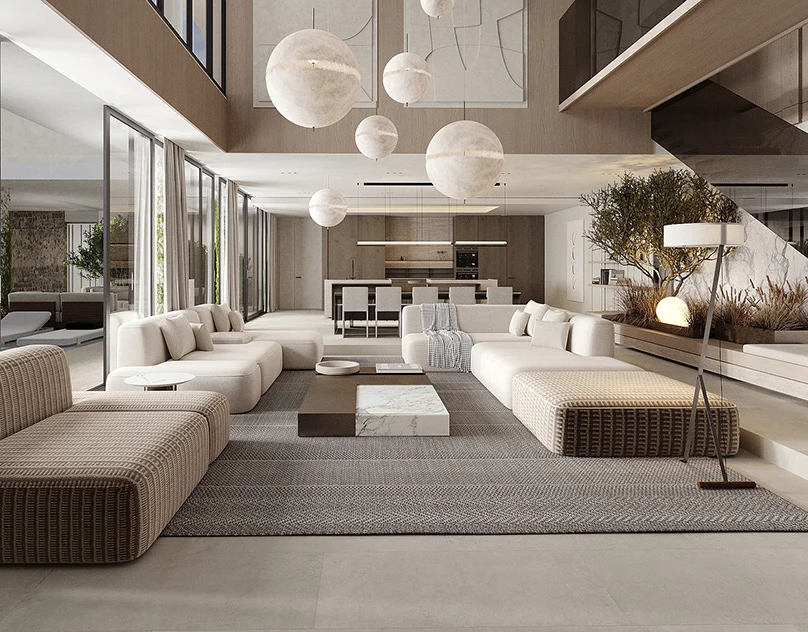

A successful hotel interior design project requires much more than selecting attractive furniture and finishes. Every design choice influences guest satisfaction, daily operations, maintenance requirements, and long term business performance. Careful planning from the start helps hotel owners and developers create spaces that balance luxury, functionality, and operational efficiency. Take a look at this essential hotel interior design planning checklist to ensure your project is prepared for long term success.
Verify All Dubai Regulatory and Hotel Classification Requirements
Before starting with a hotel interior design project, all regulatory requirements should be reviewed carefully. Early compliance planning helps avoid project delays, design revisions, and approval challenges during construction and operational phases.
Dubai Municipality (DM): Review public area ventilation requirements, ceiling height regulations, sanitation standards, and approved material specifications. Compliance with Dubai Municipality requirements helps create safer and healthier hospitality environments for guests and staff.
Civil Defence (DCD): Verify emergency exit routes, fire rated materials, flame retardant fabric classifications, and automated fire protection systems. Early coordination with Civil Defence requirements can help streamline project approvals and reduce future compliance issues.
DET Standards: Confirm guest room sizes, amenity requirements, and operational standards established by the Dubai Department of Economy and Tourism. These standards directly influence hotel classifications and star ratings across hospitality properties.
Universal Accessibility: Incorporate accessible guest rooms, wheelchair turning radiuses, barrier free circulation paths, and compliant bathroom features. These requirements support People of Determination regulations while improving accessibility for all guests.
Design Public Areas That Strengthen Guest Experience and Brand Positioning
Public spaces often create the first impression of a hotel. Well designed arrival areas, restaurants, and circulation zones help establish brand identity while improving guest comfort and navigation throughout the property.
The Grand Lobby: Plan generous vertical clearances that accommodate statement lighting, artwork installations, and architectural features. Among the most effective hotel lobby design ideas are double height spaces and signature focal points that create a memorable first impression while reinforcing the hotel’s brand identity.
Zoning Flow: Create intuitive circulation routes connecting entrances, reception areas, concierge services, baggage storage, and elevators. Effective zoning improves guest movement, reduces congestion, and enhances operational efficiency.
F&B Destinations: Design restaurants, cafes, and lounges with engaging features such as display kitchens while maintaining secure inventory storage and operational requirements for beverage service areas.
Material Resilience: Specify durable flooring materials such as premium marble, granite, or engineered stone that can withstand constant foot traffic while maintaining an elegant appearance for years.
Create Guest Rooms and Suites That Deliver Luxury and Functionality
Guest rooms remain one of the most important components of hotel interior design. Successful hotel room interior designs combine comfort, technology, aesthetics, and functionality to create memorable guest experiences.
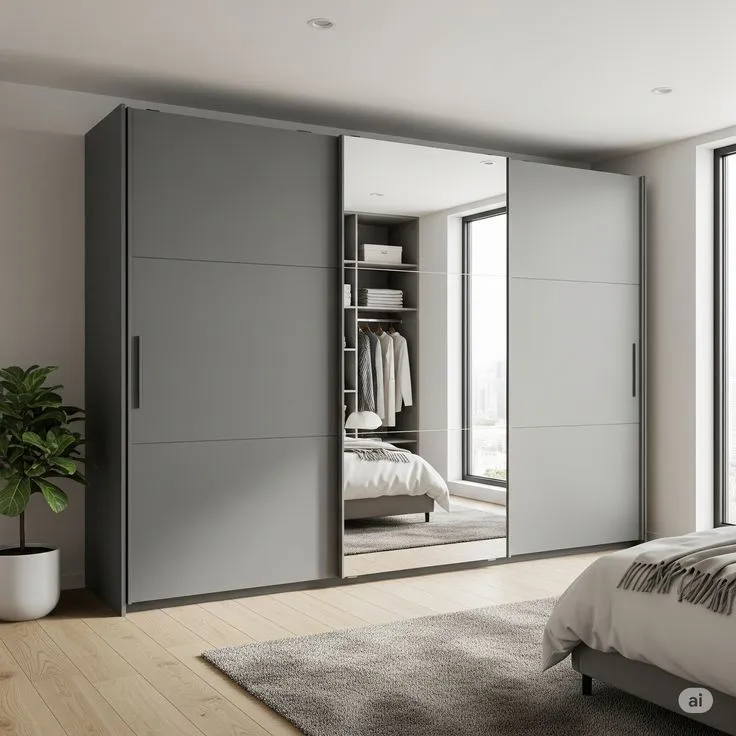
Bespoke Casegoods: Develop custom specifications for integrated headboards, wardrobes, workstations, and luggage benches. Tailored furniture solutions maximize available space while reinforcing the hotel’s brand identity.
Smart Automation: Incorporate centralized controls for climate systems, motorized curtains, lighting scenes, and guest preferences. Smart room technologies improve convenience while supporting energy efficiency goals.
Acoustic Engineering: Specify high performance wall insulation, acoustic door assemblies, and noise reducing glazing systems. Effective sound control improves guest comfort and supports better sleep quality.
Spa Bathrooms: Allocate sufficient space for rainfall showers, freestanding soaking tubs, premium vanity areas, and moisture resistant finishes that support luxury hospitality standards.
Develop a Strategic FF&E and OS&E Procurement Plan
Furniture, Fixtures and Equipment, along with Operating Supplies and Equipment, represent a significant investment within hotel interior design projects. Careful procurement planning helps balance quality, durability, and budget requirements.
The 70 20 10 Rule: Use a balanced design approach by allocating 70 percent of the palette to dominant materials and colors, 20 percent to supporting textures, and 10 percent to visual accents that create interest.
Climate Calibration: Select outdoor furniture and materials specifically engineered to withstand Dubai’s high temperatures, intense sunlight, and prolonged UV exposure without premature deterioration.
Value Engineering: Identify opportunities to substitute non critical materials with quality regional alternatives that help reduce project costs without sacrificing luxury standards.
FR Certificates: Ensure all fabrics, upholstery, curtains, and soft furnishings include valid flame retardant certifications that satisfy local hospitality safety requirements.
Optimize Back of House Operations for Long Term Efficiency
Efficient back of house planning supports smooth operations behind the scenes while helping preserve the quality of guest facing spaces. Strong operational design can improve productivity and reduce long term maintenance concerns.
Housekeeping Stations: Position dedicated housekeeping storage rooms and linen cart parking areas every two to three floors. This improves staff productivity and reduces travel distances during daily operations.
Corridor Protection: Install impact resistant wall protection systems, corner guards, and protective cladding along service corridors that experience frequent equipment movement and transportation.
Kitchen Logistics: Create separate operational pathways linking loading docks, storage facilities, preparation zones, and cooking areas. Efficient workflows help improve productivity and support food safety compliance.
Staff Facilities: Provide comfortable dining areas, changing rooms, locker facilities, and uniform distribution counters that support employee wellbeing and operational performance.
Quick Glance Hotel Interior Design Checklist
| Area | Considerations |
| Regulatory Compliance | DM approvals, DCD requirements, DET standards, accessibility compliance |
| Public Areas | Grand lobby design, guest flow, reception access, durable finishes |
| Guest Rooms & Suites | Room sizing, smart controls, custom furniture, acoustic comfort |
| Spa Bathrooms | Wet and dry zoning, luxury fixtures, moisture resistant materials |
| Dining & Lounge Spaces | F&B layouts, display kitchens, service flow, inventory storage |
| FF&E & OS&E Planning | Material palette, procurement strategy, climate suitability, FR certifications |
| Outdoor Amenities | Shaded seating, UV resistant furniture, landscape planning, cooling solutions |
| BOH Operations | Housekeeping hubs, service corridors, kitchen logistics, staff facilities |
| Durability & Maintenance | High traffic surfaces, impact protection, lifecycle performance |
| Project Readiness | Compliance verification, operational efficiency, guest experience alignment |
What Professional Hotel Interior Designers Bring to a Hospitality Project
Hotel interior design involves much more than selecting finishes and furniture. Experienced hospitality designers help balance guest expectations, operational efficiency, regulatory compliance, and long term asset value.
Guest Experience Planning: Professional designers create spaces that support seamless guest journeys, from arrival and check in through dining, relaxation, and departure experiences.
Hospitality Specific Space Planning: They optimize room layouts, public areas, and operational spaces to improve guest comfort while supporting staff productivity and service quality.
Regulatory Compliance Support: Experienced consultants coordinate designs that align with hospitality regulations, helping reduce approval challenges and compliance related delays.
FF&E and Procurement Expertise: Designers help select furniture, fixtures, and materials that align with durability goals, project budgets, and overall brand positioning.
How to Choose a Reliable Hotel Interior Design Company
Selecting the right design partner can significantly impact project timelines, budgets, and long term operational performance. Careful evaluation helps ensure that your hotel interior design project remains aligned with both business goals and guest expectations.
Review Hospitality Project Experience: Look for companies with proven hotel, resort, and serviced apartment portfolios rather than firms focused solely on commercial interiors.
Evaluate Technical Capabilities: A reliable design company should demonstrate expertise in guest room planning, public spaces, operational workflows, and hospitality compliance requirements.
Assess Supplier and Procurement Networks: Established firms often maintain strong relationships with trusted suppliers and contractors, helping improve procurement efficiency and project coordination.
Verify End to End Project Support: Choose a company that can support concept design, detailed development, procurement coordination, and site implementation throughout the project lifecycle.
Common Hotel Interior Design Mistakes to Avoid
- Prioritizing appearance over operational functionality
- Overlooking back of house requirements
- Selecting materials without durability evaluation
- Ignoring future maintenance accessibility needs
- Poor hotel room interior design space planning
- Neglecting smart technology and guest room automation
- Overdesigning luxury hotel interior design elements beyond operational needs
- Failing to consider future guest expectations and market trends
Why Early Interior Design Planning Improves Hotel Project Outcomes
Early hotel interior design planning helps identify opportunities and challenges before construction begins. Involving interior designers during the initial stages allows project teams to address compliance requirements, operational workflows, guest expectations, and budget considerations before costly revisions become necessary.
Projects that prioritize early planning often achieve better budget control, fewer design modifications, improved operational efficiency, and stronger guest satisfaction outcomes. Coordinating procurement, space planning, compliance requirements, and service workflows from the beginning helps create hospitality environments that remain functional, attractive, and profitable for years.
Setting the Foundation for a Successful Hospitality Project
A well planned hotel interior design strategy creates more than visually appealing spaces. It supports guest comfort, operational efficiency, regulatory compliance, and long term business performance. By following a structured planning checklist, hotel owners, developers, and operators can make informed decisions at every stage of the project. Investing time in proper planning today can help create a hospitality environment that attracts guests, supports staff, and delivers lasting value well into the future.