When you are planning for a new workspace, one of the most important decisions business owners have to make is choosing between a custom fit-out and a standard fit-out package. Although both options transform a space into a functional office, the approach, flexibility, cost, and long-term value vary a lot. Understanding these differences is essential before investing in your office environment. The right decision can improve productivity, reflect your brand identity and support the future growth of the organisation.
What is a Standard Fit-Out
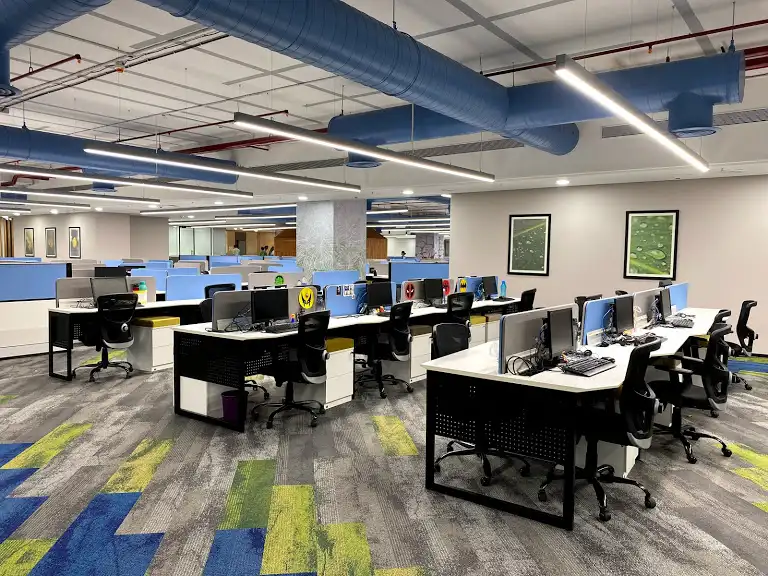
A standard fit-out is a pre-designed office solution that includes essential elements required to make the space operational. A standard office fit-out package follows structured layouts and predefined material selection, making it faster and cost-effective. In most cases, a standard fit-out includes:
- Basic flooring and ceiling systems
- Standard lighting fixtures
- Glass or gypsum partitions
- Electrical and HVAC installation
- Ready-made workstation setups.
- Basic pantry and restroom finishes
Since the design framework is already established in the standard fit-out, businesses can benefit from quicker timelines and predictable budgets. This option works well for companies that need immediate occupancy or operate under short-term lease agreements.
What is a Custom Fit-Out?
A custom fit-out is a fully tailored solution designed around the workflow, culture, and long-term goals of your company. Instead of adapting to a pre-set layout, like a standard fit-out here the design is built around your needs.
In case of custom fit-out, an experienced interior fit-out company starts with a detailed consultation to understand your team structure, brand identity, space usage and future expansion plans. Each element, from layout planning to finishing materials, is specifically selected to create a cohesive and functional environment.
A custom fit-out may include:
- Bespoke space planning
- Brand-integrated interior design
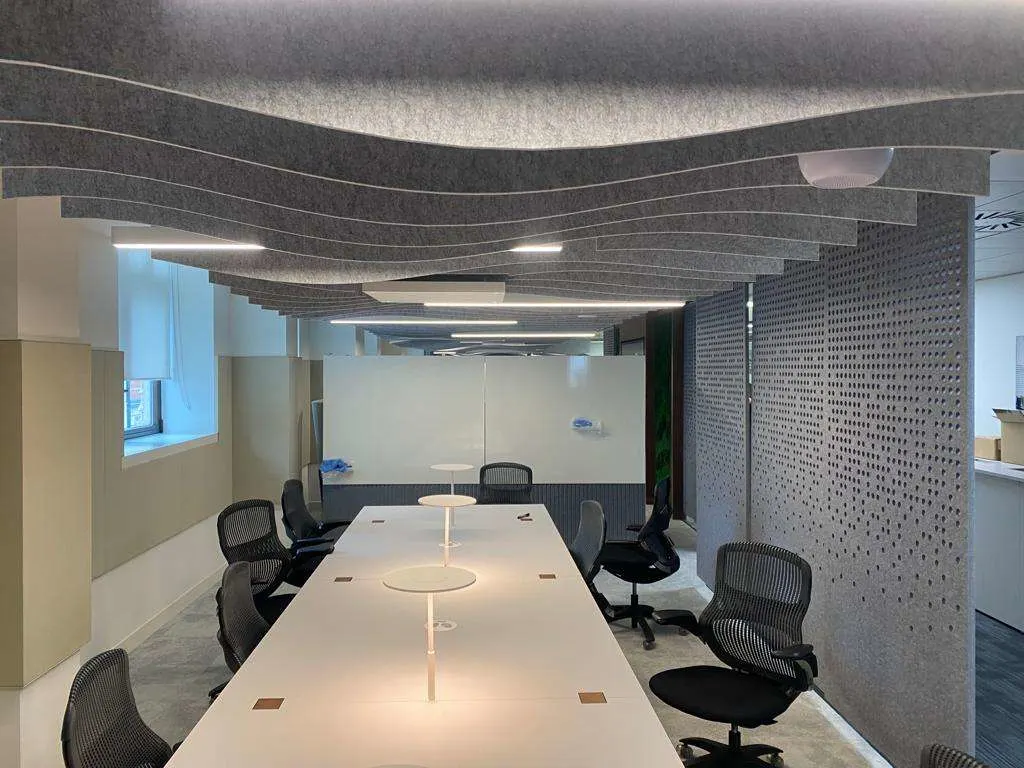
- Custom partitions and feature walls
- Acoustic treatments for meeting rooms
- Advanced lighting concepts
- Ergonomic and custom-built furniture
- Smart technology integration
This approach requires higher investment and longer planning time. However, it results in a workspace that reflects your brand and enhances your employee performance.
Major Differences Between Custom Fit-Out and Standard Fit-Out
There are several differences between a custom fit-out and a standard fit-out.
Cost Consideration
A standard fit-out is considered more budget-friendly since it generally includes fixed material selection and predefined layouts. A custom fit-out involves flexible pricing depending on the design complexity and design choices of the client.
Timeline
Standard fit-out solutions are easier to implement since minimal planning is required for them. On the other hand, custom projects need more time for design development, approvals, and tailored execution.
Design flexibility
Standard fit-out solutions offer limited design modifications, while custom fit-out allows complete personalisation. Businesses can select materials or finishes they like that align with the brand identity.
Brand Representation
Standard packages focus on the functionality of the office. Basic requirements are met in the standard fit-out. However, custom solutions integrate brand colours, themes, and design elements into the space.
Future Scalability
A standard layout may require restructuring during expansion. A custom design can be strategically planned to accommodate future growth. If a business prioritises scalability, a custom solution is the best option.
Choosing the Right Office Fit-Out Package
Selecting the right office fit-out package requires more than comparing costs. Businesses must evaluate how the package structure aligns with their operational needs, branding goals, and long-term growth strategy. Both custom fit-out and standard fit-out solutions can be offered as structured packages, but the scope and flexibility vary significantly.
A standard fit-out package typically follows a predefined scope of work. Layouts, materials, and finishes are selected from fixed options, making pricing predictable and execution faster. This type of package is ideal for companies that require quick occupancy, operate under tight budgets, or have short lease terms. The bundled approach reduces decision-making time and ensures smoother coordination during implementation.
In contrast, a custom fit-out package provides greater flexibility within a consolidated service agreement. While design, procurement, and execution are managed under one contract, every element is tailored to suit the company’s workflow, brand identity, and future expansion plans. Costs depend on design complexity, material selection, and technological integration, but the result is a workspace built around specific business objectives.
Working with an experienced interior fit-out company ensures that the chosen package is strategically planned and professionally executed. A well-structured package not only simplifies project management but also helps maintain quality standards, budget control, and long-term functionality.
Which Option is Right for Your Business
The right option depends on your budget, lease terms, and long-term strategy. A standard fit-out is suitable if you are operating within a limited budget, the lease term is short, immediate office setup with a simple functional workspace is needed.
A custom fit-out is ideal if you plan to operate the business for the long term, prioritising brand identity, employee experience, or needing specialised spaces such as collaboration zones or executive suites for future scalability. Choosing the right option ensures that your office space aligns with both current operations and future goals.
Long-Term Value and ROI
While a standard fit-out may reduce initial investment, a custom fit-out often provides stronger long-term value. A workspace that is thoughtfully designed can improve employee productivity, space efficiency, client perception, workspace satisfaction, and adaptability to change.
An office environment plays a direct and important role in company culture and performance. Therefore, a decision should not be solely based on short-term savings.
Conclusion
Both custom fit-out and standard fit-out packages offer distinct advantages. If speed and cost efficiency are the factors that you prioritise, then a standard solution is sufficient. In contrast, if flexibility, branding, and long-term sustainability are your primary goals, then investing in a custom approach gives you better results.
Ultimately, your office is more than just a space but a strategic business asset. Therefore, making an informed decision can positively impact your organisation for years to come.