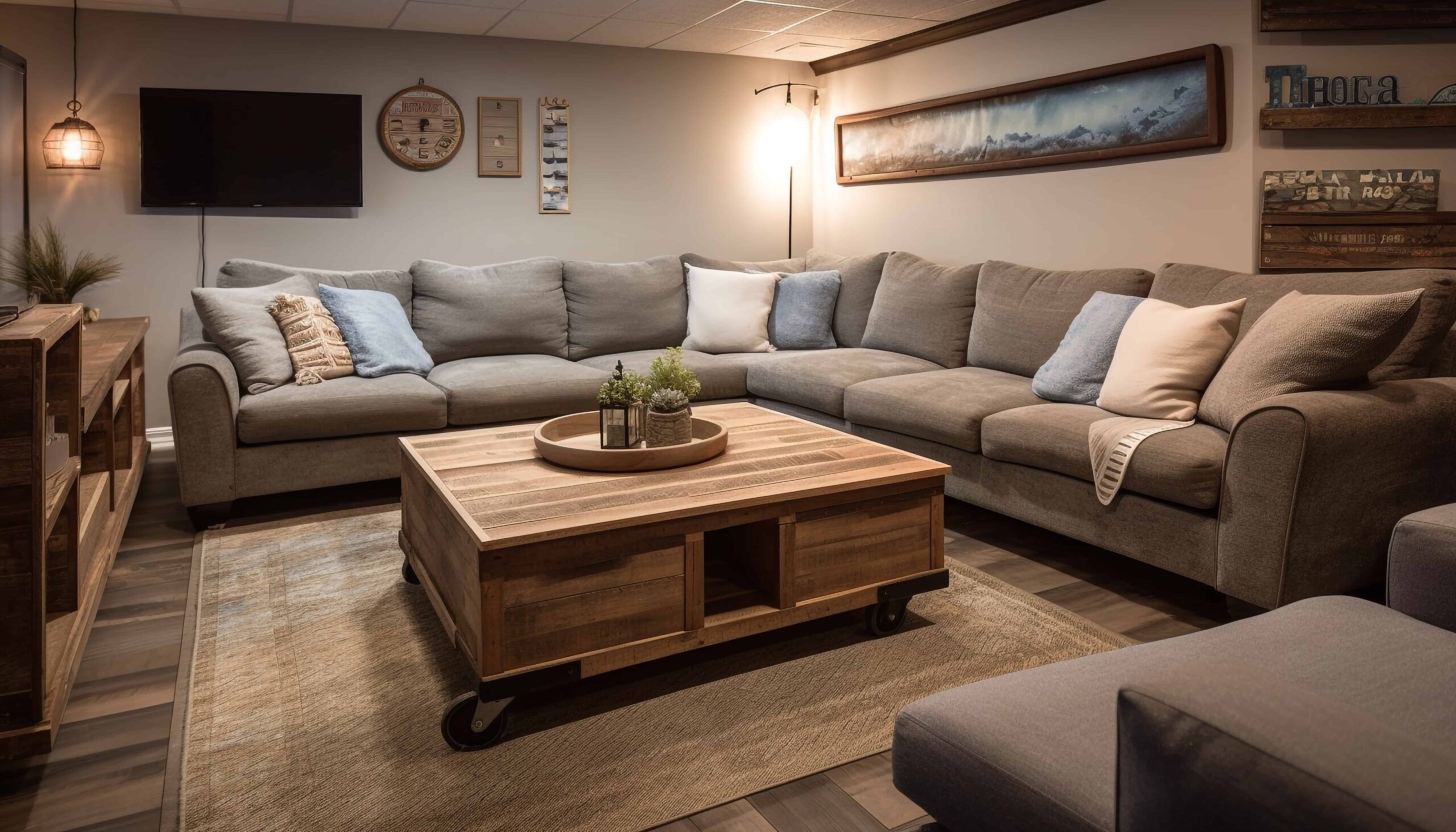
Don’t you want your living room furniture to be durable and look beautiful for years to come? Your sofa, coffee table, and chairs are investments that bring comfort to your daily life.
The living room furniture in the showroom looks perfect, but after purchase, it starts to fade with time. So, in this guide, we will discuss choosing long-lasting living room furniture that upgrades your home and lasts for years to come.
Why is durability important for living room furniture?
Low-cost furniture may look good initially. However, with time, it wears out. You will start to notice scratches on your coffee table and wear and tear in the furniture fabrics. Therefore, investing in durable living room furniture saves you money in the long run.
Major factors affecting furniture durability
Material quality
The durability of the living room furniture depends on the materials used to make it. Hardwoods such as oak, teak, and mahogany are extremely durable and are resistant to warping. Engineered woods are budget-friendly and are ideal for humid climates.
Upholstery and fabrics
Choosing the right fabrics ensures that sofas and chairs can withstand daily wear and tear. If you have kids at home, leather, vinyl, and microfiber upholstery are stain-resistant and suitable for living room furniture. Performance fabrics are good for humid climates as they can resist moisture.
Frames
The construction of the frames of your living room furniture should be strong. While selecting and purchasing furniture for the living room, always choose durable joinery such as dovetail, mortise-and-tenon, or corner-block reinforcement.
Cushions
While selecting cushions for your furniture, choose high-density foam or molded foam cushions that stay in shape for years to come. Low-quality cushions flatten quickly, and your sofa won’t look good.
Maintenance
High-quality furniture needs proper care and maintenance. With simple cleaning and maintenance practices, you can extend its life. You should not forget to clean and polish wood regularly. Also, rotate cushions and furniture placements regularly. Furthermore, protect the surfaces from direct sunlight, spills, and scratches with covers and coasters.
Tips to identify long-lasting living room furniture
While shopping for long-lasting living room furniture, pay attention to how it is manufactured. So use these tips to identify durable living room furniture.
- Using kiln-dried hardwood or metal frames in the living room furniture is a smart idea as they resist warping, cracking, and bending.
- Look for strong joinery, such as dovetail joints and mortise-and-tenon joints, which are more durable than weaker joints in furniture.
- Well-crafted furniture has smooth edges and even finishes without any rough spots. So buy furniture with smooth edges and well-finished surfaces.
- Purchase furniture with double or reinforced stitching on upholstery. An extra stitch means the fabric won’t tear easily, especially in high-use living room furniture like a sofa.
How to maintain your living room furniture?
Proper care and maintenance are important to keep your furniture looking new. So let us understand how to take care of and maintain different types of living room furniture.
Wooden Furniture
First of all, you have to remove dust from your living room’s wooden furniture once a week to prevent buildup. Next, to keep the natural shine of the wooden furniture, polish it every few months.
Always use coasters, mats, or runners to protect your sofa from stains and scratches. It is also important to keep wood away from heaters, air conditioners, or damp areas to avoid warping.
Upholstered Furniture
Regularly vacuum the cushions, seats, and fabric surfaces to remove dust particles. To prevent permanent stains on the upholstery of living room furniture, clean the spills immediately.
Leather furniture
Remove the dust on your living room furniture weekly with a dry, soft cloth. You should apply leather conditioner every 6-12 months to keep the leather soft and to prevent unnecessary cracks. Also, make sure to keep leather away from direct sunlight to avoid fading.
Metal and glass furniture
To maintain metal and glass furniture, clean it with mild soap and water. Then dry thoroughly to prevent rust or water marks. Don’t forget to use mats and pads under objects to avoid scratches on glass or metal surfaces.
Environmental Factors That Influence Furniture Longevity
The climate and your lifestyle also play a major role in the durability of living room furniture.
- Humidity: If you are living in a humid climate, you can choose moisture-resistant plywood and microfiber fabrics.
- Family with kids: Have kids at home? Use stain-resistant fabrics such as Crypton, leather, or microfibers to protect furniture in the living room from rough use.
- Sunlight: Direct sunlight cracks the leather and fades your furniture fabrics. So, place your sofas and chairs away from windows or use curtains for protection.
Conclusion
When choosing living room furniture, don’t focus only on looks. Prioritize durability, functionality, and how it fits your daily lifestyle. Opt for solid hardwoods, strong joinery, and quality fabrics to ensure long-lasting use. Each piece should be a wise investment offering comfort and style. Explore trusted furniture shops in Ras Al Khaimah for quality options that keep your living room inviting for years.