A customer may walk into your showroom with the intention of buying, but poor design choices can make them leave without making a purchase. Retail showroom design plays an important role in attracting visitors, creating a positive first impression and influencing purchasing decisions. Elements such as store layout, lighting, colour selection, product placement, and furniture determine how customers explore and interact with displayed products.
Poor showroom interior design can make products less appealing and browsing uncomfortable. Cluttered displays, inadequate lighting, narrow walkways, and inconsistent branding can affect product visibility and discourage customers from making purchases. Identifying and avoiding these common mistakes helps retailers create functional, attractive, and organized spaces that improve customer engagement and support better sales.
Poor Store Layout and Space Planning
A poorly planned store layout can make it difficult for customers to navigate the showroom, locate products and explore different sections. Placing display units without considering available floor space and customer movement can create congestion, block product visibility, and leave some areas underutilized. Common store layout and space planning mistakes include:
- Arranging products without clearly defined zones, making it difficult for customers to find specific categories or related items.
- Placing display units and checkout counters in unsuitable locations, obstructing walkways and creating congestion.
- Grouping unrelated products together or separating complementary items, making product comparison and discovery difficult.
- Ignoring natural customer movement patterns, which can prevent visitors from exploring different showroom sections comfortably.
Improper Product Display Arrangements
Product displays influence how customers notice, explore, and evaluate items in a showroom. Overcrowded shelves, poorly organized display racks, and incorrect product placement can make products difficult to identify and compare. Placing important items in less visible locations and failing to create focal points can also reduce customer interest.
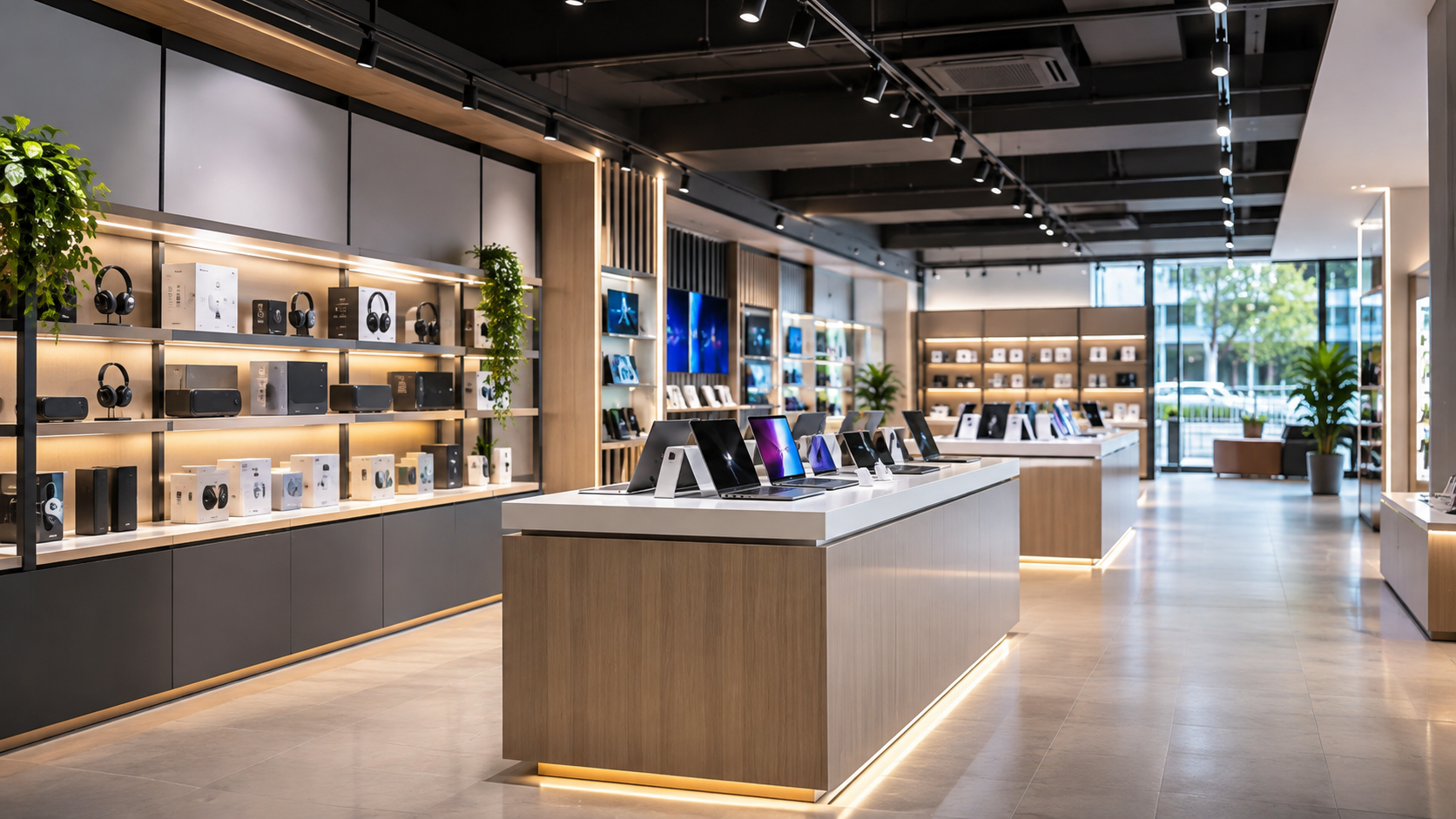
Effective visual merchandising involves arranging products in an organized and appealing manner. Using eye-level positioning, grouping related products and creating attractive focal points can improve product visibility and encourage customers to explore different collections.
Poor Lighting and Color Selection
Poor lighting and unsuitable colour combinations can affect product visibility, showroom ambience, and customer perception. Common mistakes include:
- Using insufficient ambient lighting or creating uneven illumination.
- Choosing unsuitable lighting temperatures that distort product appearance.
- Creating glare through incorrectly positioned light fixtures.
- Selecting colours that clash with the brand identity.
- Ignoring CRI when choosing lighting, resulting in inaccurate product colour presentation.
A balanced colour palette, combined with ambient, accent and task lighting, helps create an attractive and functional showroom.
Lack of Customer Movement Space
Narrow aisles, obstructed walkways and poorly spaced display fixtures can restrict customer movement and make browsing uncomfortable. Insufficient waiting areas and limited accessibility can further affect the shopping experience, especially during busy hours.
A well-planned retail showroom design should provide adequate aisle width, floor clearance and accessible walkways. Proper customer circulation and a clear movement path allow visitors to explore products comfortably and move between different sections without obstruction.
Unattractive Entrance Design
The showroom entrance creates the first impression for potential customers. Poor storefront design and an uninviting entrance can discourage visitors from entering. Common mistakes include:
- Neglecting the storefront appearance and facade design.
- Using unattractive or poorly arranged window displays.
- Installing unclear or poorly positioned signage.
- Allowing promotional materials and fixtures to clutter the entrance.
- Failing to create a visually appealing entrance that reflects the brand identity.
Inconsistent Branding and Interior Style
Using mismatched colours, materials and finishes can make a showroom look disconnected and unprofessional. When the interior design does not reflect the brand identity, customers may find it difficult to recognize or connect with the business. Inconsistent signage, typography and decorative elements can further affect the overall appearance.
A consistent color scheme, suitable materials, and a well-defined interior theme help create a unified showroom appearance. Aligning furniture, signage, wall finishes, and display fixtures with the brand identity also makes the space more recognizable and visually appealing.
Poor Furniture and Shelving Selection
Choosing unsuitable furniture and shelving can affect product presentation, showroom functionality and space utilization. Bulky display units can restrict customer movement, while shelves that cannot accommodate product sizes and weights may create storage and safety issues.
Prioritising appearance over practicality and durability can also lead to frequent maintenance or replacement. Selecting functional display furniture, suitable shelving systems and modular fixtures helps make better use of available space. Retailers should consider ergonomics, material durability, product dimensions and accessibility when choosing display counters and shelves.
Create a Showroom That Attracts Customers
A successful retail showroom combines visual appeal, functionality and customer comfort. From space planning and product displays to lighting, furniture, and branding, every design element contributes to the shopping experience. Avoiding common design mistakes helps improve product presentation, encourage customer engagement, and create an environment that supports sales.
Looking to create an attractive and functional retail space? Contact Fine Interior for professional showroom interior design solutions that reflect your brand identity and make the best use of your available space.