Mediterranean interiors bring together sun washed colours, natural stone, textured walls and relaxed spaces shaped by coastal living. The Mediterranean interior design style feels luxurious without looking overly formal, making it suitable for modern villas, apartments and holiday inspired homes. From Greek blue accents to Italian terracotta and Moorish detailing, each variation creates a distinct atmosphere. Read on to discover the colours, materials, architecture and room ideas that can bring this timeless style into your home.
What Is Mediterranean Interior Design?
Mediterranean interior design is a relaxed style influenced by homes across Southern Europe, North Africa and the Middle East. It uses natural light, earthy colours, stone, wood, plaster, ceramics and breathable fabrics to create warm interiors with strong indoor and outdoor connections, particularly suited to spacious homes and warm climates.
Its defining character comes from sun washed surfaces, tactile materials, handcrafted details and architecture that feels connected to nature. Unlike generic coastal decor, it does not depend mainly on blue and white. Mediterranean homes combine rustic elements with refined finishes, creating spaces that feel comfortable, lived in and visually grounded.
Mediterranean Interior Design Styles
Greek Mediterranean
White plaster walls, blue accents, curved openings and minimal furnishings create the bright, airy character associated with Greek coastal homes. Limestone, natural wood and woven textures add warmth while preserving the clean, sunlit appearance.
Italian Mediterranean
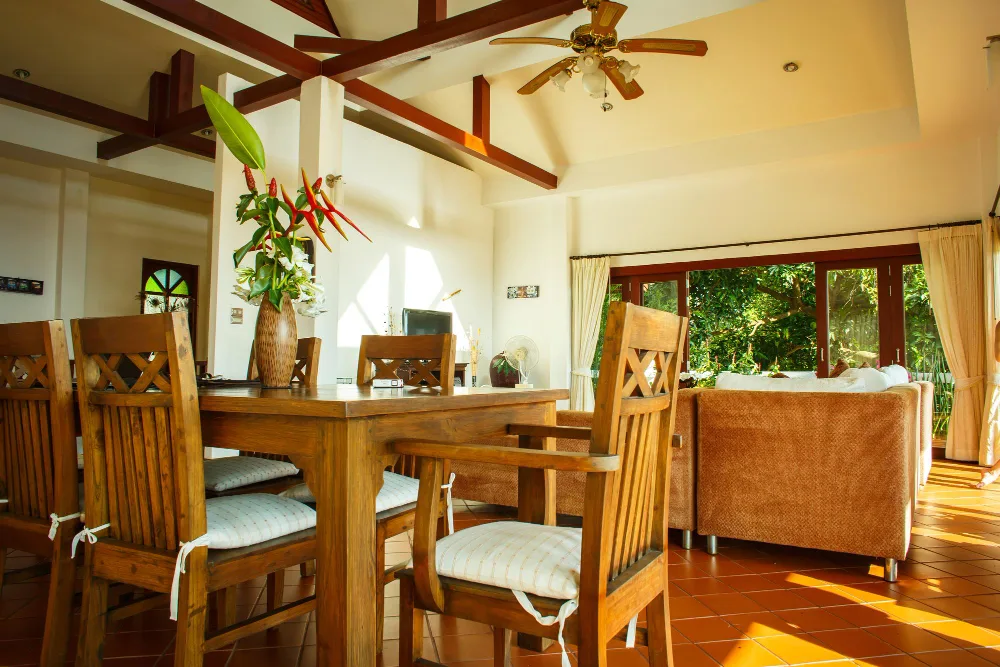
Warm terracotta floors, aged timber, natural stone and creamy walls give Italian interiors a richer character. Rustic furniture, textured surfaces and handcrafted accessories create a comfortable setting that combines traditional charm with refined elegance.
Spanish Mediterranean
Spanish Mediterranean interiors feature dramatic arches, patterned ceramic tiles, exposed timber and wrought iron. Earthy reds, geometric flooring, carved wood and textured walls introduce stronger decorative details and create a warm, expressive architectural style.
Moorish and North African Mediterranean
Geometric patterns, mosaic tiles, carved plaster, arched openings and layered textiles define this richly detailed style. Sand and cream tones can be combined with deeper colours, creating interiors that highlight craftsmanship, intricate decoration and cultural influences.
Modern Mediterranean
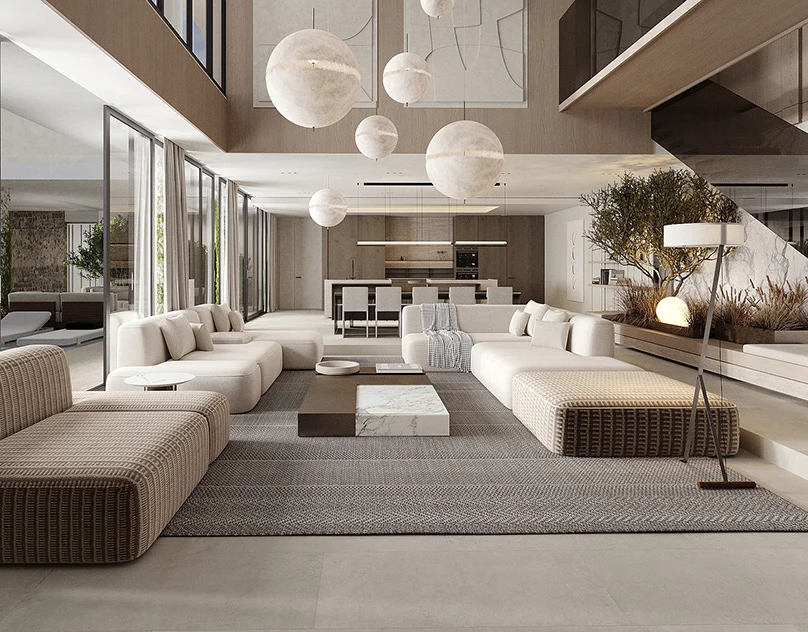
Modern Mediterranean interiors combine traditional arches, stone, plaster, timber and earthy colours with contemporary furniture and cleaner lines. Larger openings, simple silhouettes and restrained decoration create a polished look suited to modern villas and luxury apartments.
Key Materials Used in Mediterranean Interiors
Mediterranean interiors rely on materials that show texture instead of hiding it. Stone, plaster, timber, terracotta and handmade ceramics create surfaces with natural variation. Linen, cotton and woven fibres soften harder finishes, while metal details provide contrast without dominating the room.
• Natural stone: Adds durability and visual weight to floors, walls, counters and architectural features.
• Terracotta: Provides earthy flooring and decorative surfaces with naturally uneven colour variation.
• Travertine: Its porous appearance works particularly well for floors, bathrooms, counters and contemporary villa interiors.
• Limestone: Offers a pale, natural finish that complements warm Mediterranean colour schemes.
• Raw wood: Exposed beams, doors and furniture introduce warmth and visible grain.
• Wrought iron: Adds structure through lighting, furniture frames, handles and decorative details.
• Plaster and stucco: Create softly irregular walls that catch daylight differently throughout the day.
• Handmade tiles: Introduce regional character through small variations in colour, shape and pattern.
• Rattan and natural fibres: Add lightweight texture through seating, baskets and decorative pieces.
• Linen and cotton: Provide breathable upholstery, curtains and bedding suited to warm interiors.
Architectural Features That Define Mediterranean Interiors
Mediterranean interior design style uses shape, texture and proportion as decorative elements. Instead of depending on accessories, the room itself creates character through arches, stone, plaster, timber and carefully positioned openings that connect interior spaces with gardens, terraces and natural light.
- Arched doorways and windows: Curved openings soften circulation areas and create one of the strongest visual signatures of Mediterranean architecture.
- Exposed wooden beams: Visible timber adds warmth to high ceilings while reinforcing the handcrafted character of traditional homes.
- Textured plaster walls: Irregular plaster surfaces create subtle shadows, giving plain walls depth without decorative wallpaper.
- High ceilings: Greater vertical volume allows timber beams, pendant fixtures and large architectural openings to become focal features.
- Large windows: Generous glazing brings daylight inside and strengthens visual connections with gardens, terraces and courtyards.
- Internal courtyards: Central outdoor areas provide privacy, daylight and ventilation while creating a natural extension of living spaces.
- Stone walls: Natural stone introduces texture and permanence, particularly around fireplaces, entrances and feature walls.
- Built in niches: Recessed shelving provides practical storage while creating space for ceramics, artwork and sculptural objects.
- Curved walls and edges: Rounded forms soften contemporary layouts and echo traditional Mediterranean arches and masonry.
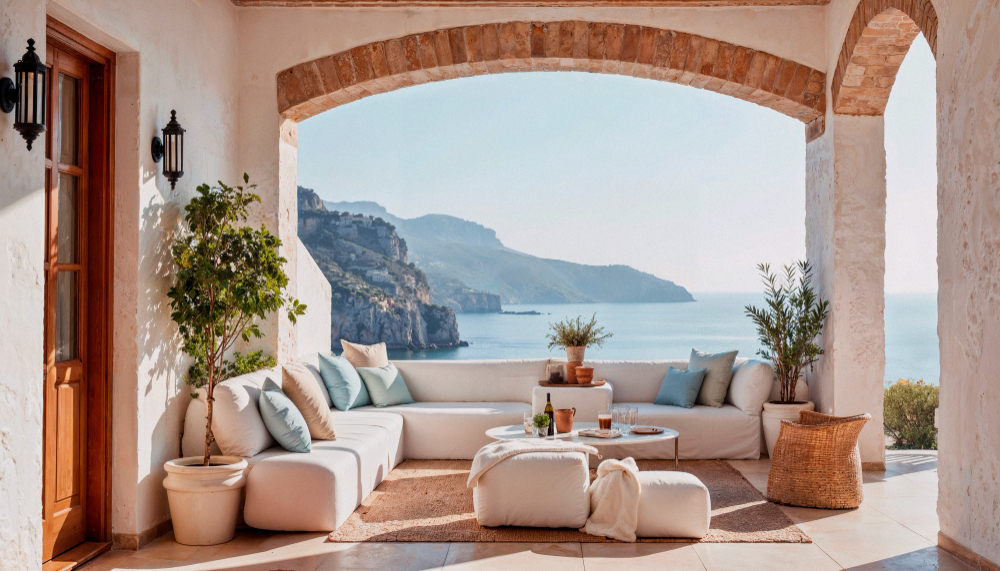
- Indoor outdoor transitions: Wide openings, matching materials and shaded terraces make exterior spaces feel like extensions of the home.
Mediterranean Room Ideas at a Glance
| Room | Design Direction | Key Elements | Practical Focus |
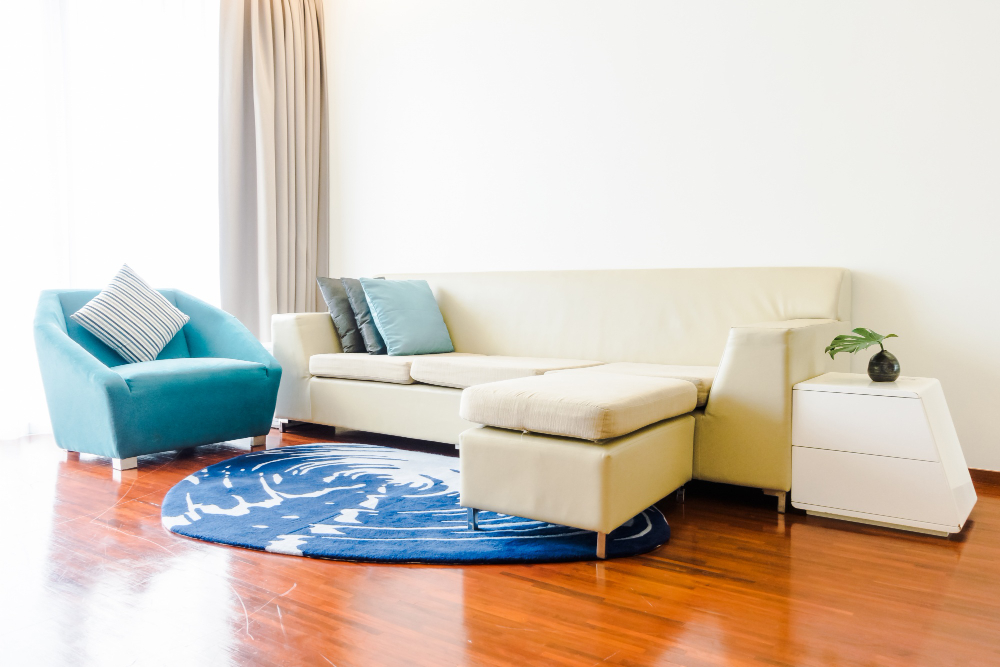
| Mediterranean Living Room | Warm, relaxed social space | Linen sofas, stone or wood flooring, textured walls, arches, pottery | Connect seating with terraces and outdoor views |
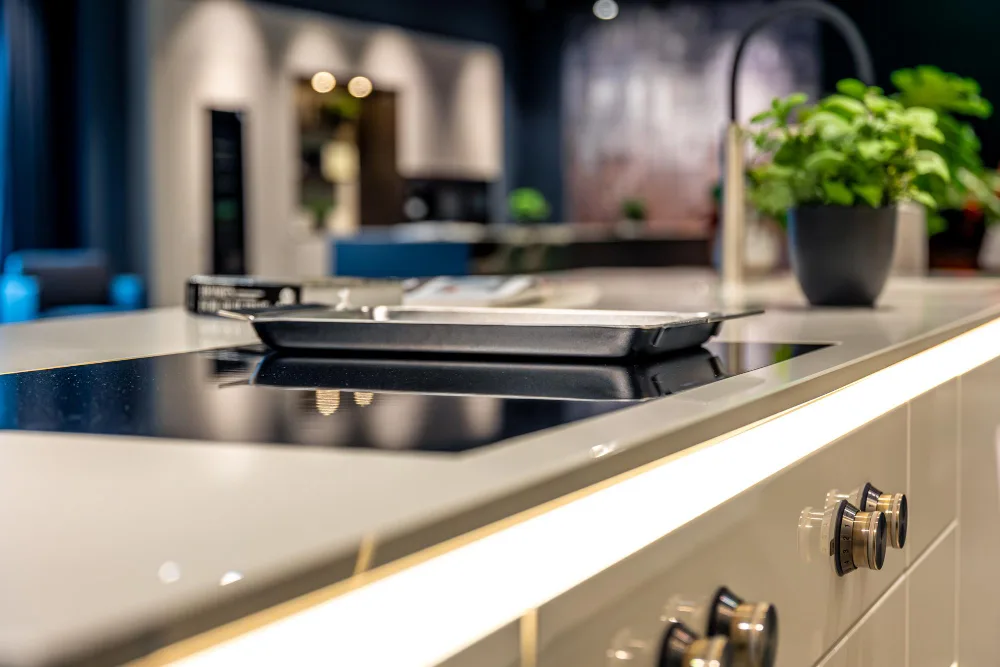
| Mediterranean Kitchen | Rustic character with modern function | Stone counters, wood cabinetry, terracotta tiles, open shelving | Keep appliances integrated and surfaces practical |
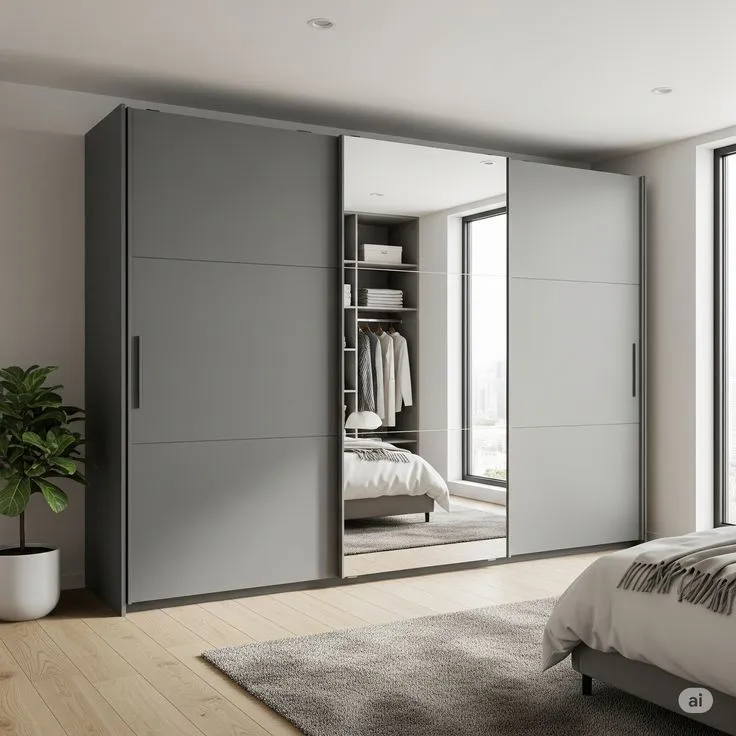
| Mediterranean Bedroom | Calm, resort inspired atmosphere | Linen bedding, natural wood, soft lighting, woven textures | Keep decoration restrained and use natural views |
Mediterranean Interior Design Colour Palette
A Mediterranean colour palette reflects landscapes rather than artificial brightness. Sand, limestone, terracotta, olive foliage and sea tones provide the foundation, while warm whites keep interiors luminous. The strongest schemes use one dominant neutral with carefully selected earthy or coastal accents.
- Warm white and ivory
- Sand and beige
- Terracotta and clay
- Olive and sage green
- Ocean blue
- Ochre and muted yellow
- Natural brown
How to Bring Mediterranean Interior Design Style Into a Modern Dubai Home
Dubai homes can adopt Mediterranean interior design style without copying a traditional European villa. Use heat suitable materials, controlled natural light and contemporary furniture, then introduce arches, stone, timber and earthy colours selectively. A skilled interior designer in Dubai can balance regional climate requirements with the desired Mediterranean atmosphere.
• Choose travertine, limestone and durable porcelain for high traffic areas.
• Combine traditional arches with streamlined contemporary furniture.
• Use solar control glazing or window treatments where large openings receive intense sun.
• Create shaded terraces with pergolas or architectural overhangs.
• Keep outdoor upholstery suitable for strong sunlight and humidity.
• Repeat indoor materials outdoors to strengthen visual continuity.
• Use natural textures instead of excessive rustic accessories.
• Choose warm lighting to maintain the evening atmosphere.
• Consult an interior designer in Dubai when architectural changes, material selection and climate performance need to work together.
Mediterranean Interior Design vs Modern Coastal Interior Design
| Feature | Mediterranean Interior Design | Modern Coastal Interior Design |
| Colour | Terracotta, ochre, olive, beige and warm white | Blue, white, cream and pale neutrals |
| Materials | Stone, plaster, timber and terracotta | Light wood, glass, linen and woven fibres |
| Architecture | Arches, textured walls and rustic details | Clean lines, large windows and open layouts |
| Furniture | Heavier, handcrafted and rustic | Light, simple and contemporary |
| Mood | Warm, earthy and grounded | Fresh, airy and relaxed |
| Patterns | Decorative tiles and geometric patterns | Subtle patterns and minimal prints |
| Outdoor Connection | Strong architectural connection between indoors and outdoors | Focuses mainly on openness, views and natural light |
Choose Mediterranean Design for a Timeless Home
Mediterranean interiors work across apartments, villas and contemporary homes when architecture, materials, colour and lighting follow one clear direction. For homeowners trying to create a Mediterranean interior design style, working with the best interior design service in Dubai, like Fine Interior, can help balance Mediterranean character with modern comfort, climate suitable materials and practical layouts. The result is a warm, refined space that feels naturally luxurious without becoming overly themed or difficult to maintain.