One simple design trick can completely transform the look and feel of a room.
It’s called emphasis, and designers use it frequently. Emphasis means choosing one main feature in a room that immediately catches your attention. It could be a colourful wall, a statement light, a unique piece of furniture, or even a beautiful artwork. When a room has a clear focal point, it looks more attractive, balanced, and easy on the eyes.
An Interior design company uses emphasis to make spaces look well-planned and visually interesting. They make use of colours, lighting, textures, and decor to highlight the most important parts of a room and turn simple interiors into warm, stylish, and welcoming spaces.
Understanding Emphasis in Interior Design
Emphasis in interior design means creating one main area or feature in a room that immediately grabs attention. This special spot is what your eyes naturally focus on first, and it helps the room feel organised and visually appealing.
While emphasis is the overall design strategy, the focal point is the specific object or area that stands out, such as a fireplace, a bold artwork, a statement light fixture, or even a brightly painted accent wall.
In simple words, emphasis is the idea. And the focal point is the thing that brings that idea to life.
The role of emphasis is to guide the viewer’s eye and help the room tell a clear story. It sets the tone, adds interest, and ensures the space feels balanced without looking cluttered or confusing. With emphasis, an interior design company creates rooms that feel inviting, stylish, and purposeful.
Key Elements to Create Emphasis
Use of Colour
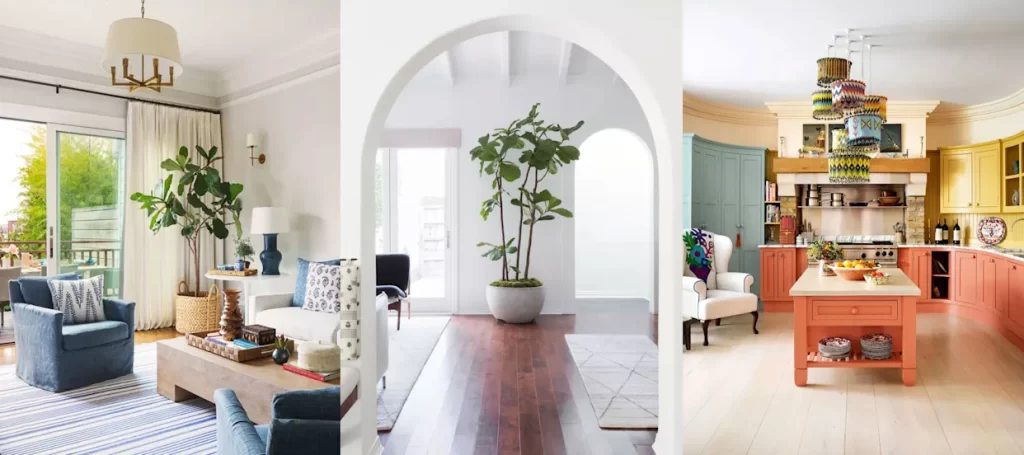
Colour is one of the easiest ways to create emphasis in a room. Designers often use bold or contrasting colours to make a specific area or object stand out. For example, a bright accent wall, a colourful sofa, or a vibrant artwork instantly draws attention. When used correctly, colour helps highlight important features and gives the room a strong visual focus.
Texture and Patterns
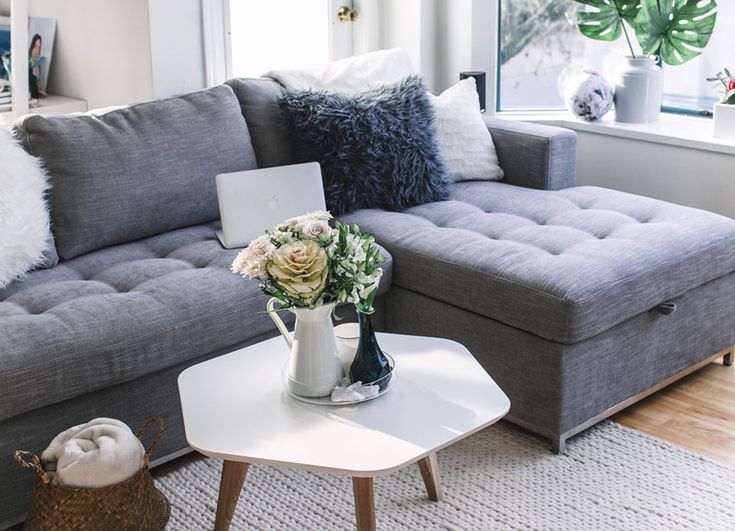
Texture and patterns add depth and interest to a space, making certain elements more noticeable. A textured wall, patterned rug, or richly layered fabrics can become natural focal points. These details catch the eye because they break the monotony of smooth, plain surfaces. Designers use texture to create visual contrast and make a room feel more dynamic and engaging.
Lighting
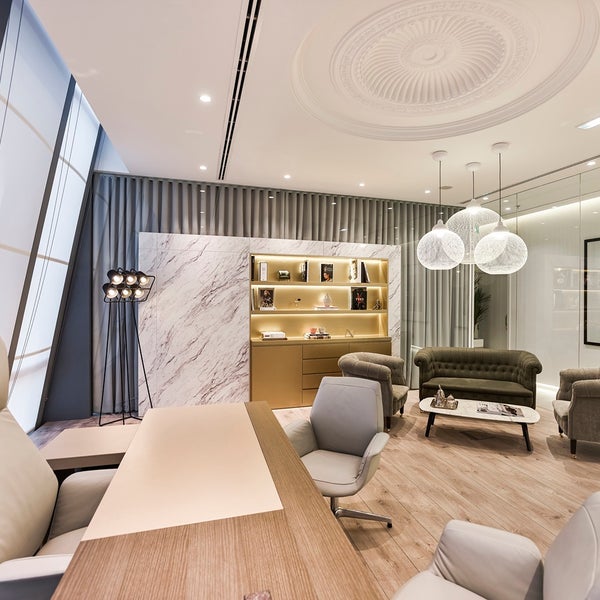
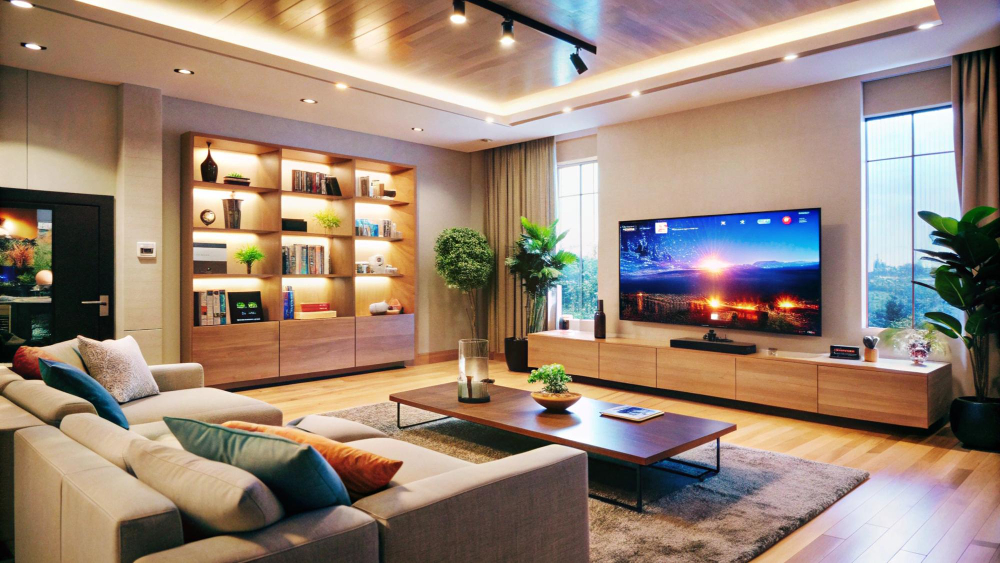
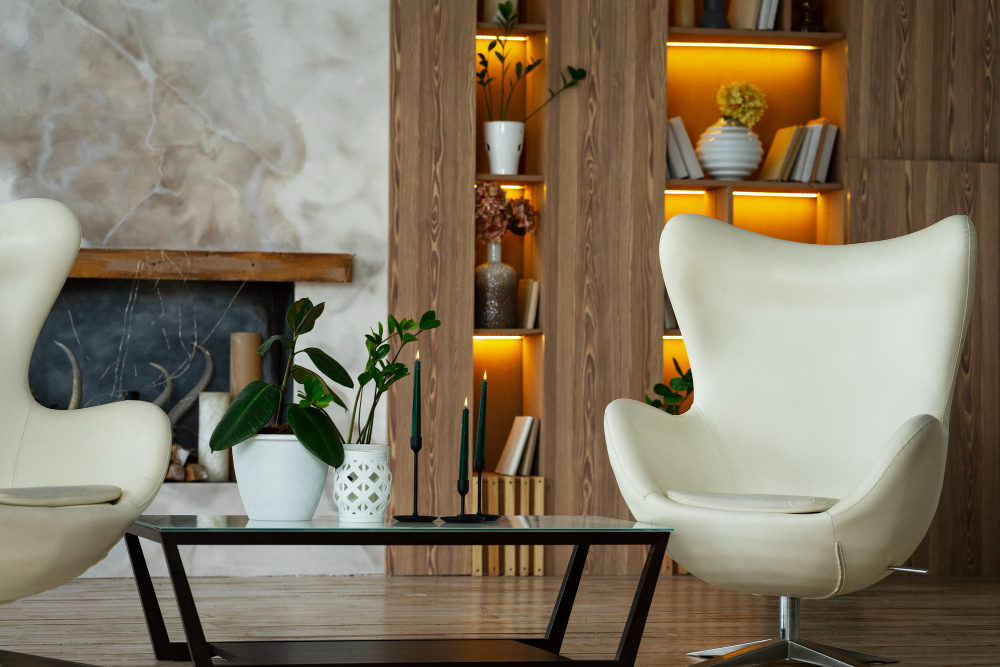
Lighting plays a huge role in emphasis by directing attention to specific areas or objects. Spotlights, pendant lights, wall washers, or focused lamps can highlight artwork, furniture, or architectural features. Good lighting not only brightens a room but also guides where the viewer looks first. This makes lighting a powerful tool for creating emphasis.
Scale and Shape
Using furniture or decor with distinctive scale or shape can instantly create emphasis. Oversized mirrors, unique sculptures, tall indoor plants, or bold architectural details naturally stand out. Large or unusually shaped pieces capture attention because they differ from the rest of the room. Designers use scale and shape to add drama and create a strong, memorable focal point.
Techniques for Achieving Emphasis
Layering Design Elements for Visual Depth
An interior design company layers different design elements such as colours, textures, lighting, and decor to create depth and richness in a room. This technique gently guides the eye toward the main focal area without making it feel forced. This combination of several layers allows designers to make the focal point stand out while keeping the space cohesive and visually engaging.
Incorporating Statement Pieces
Statement pieces like bold artwork, unique furniture, or attractive light fixtures instantly create emphasis. These pieces become natural focal points because they are visually striking and different from the rest of the room. Even one statement piece can turn a simple space into one filled with character and personality.
Accent Walls with Unique Colours or Wallpaper
Accent walls are one of the most effective and simple ways to achieve emphasis. A wall painted in a contrasting colour or decorated with patterned wallpaper becomes an immediate focal point. This technique adds energy to the space, highlights a specific area, and breaks the monotony of plain walls.
Balancing Emphasis to Avoid Overpowering the Room
While emphasis is important, too much of it can make a room feel overwhelming and cluttered. Designers create balance by choosing only one strong focal point and making sure the other elements support it instead of competing with it. A balanced room feels comfortable, visually pleasing, and easy for the viewer to enjoy.
Strategies to Create Emphasis and Focal Points
Contrast
Contrast is one of the most effective ways to create emphasis. The differences in colour, texture, shape, or size, designers make a particular element stand out. For example, a dark piece of furniture against a light wall or a smooth surface next to a textured one naturally draws attention and becomes the focal point of the room.
Isolation
Isolation involves giving an object or area space all to itself so it can stand out. Placing a piece of furniture, artwork, or decor away from other elements ensures it is noticed immediately. This technique prevents the focal point from being lost among other competing items in the room.
Placement
Where an item is placed in a room can make a big difference in creating emphasis. Designers often position focal points in locations where the eye naturally falls, such as the centre of a wall, the end of a hallway, or directly opposite the main entrance. Proper placement ensures the element captures attention and guides the flow of the room.
Common Mistakes to Avoid
- Creating clutter that dilutes emphasis and makes the room feel chaotic.
- Not having a clear focal point or including too many competing focal points that confuse the eye.
- Misusing colour or lighting in a way that distracts from the main feature instead of highlighting it.
- Overusing patterns or textures that compete with the focal point instead of enhancing it.
- Ignoring the scale and proportion of furniture or decor can make the focal point feel out of place.
An interior design company can help avoid these mistakes by planning the space carefully and ensuring each element supports the room’s main focal point.
Conclusion
Emphasis is a key principle in interior design that brings focus, balance, and visual interest to any space. Creation of a clear focal point, whether through colour, lighting, texture, or statement pieces, a room instantly feels more organised and appealing.
When designing or redecorating, keeping emphasis in mind can help you make thoughtful choices that enhance the overall look and feel of your space. A credible Interior design company has the expertise to identify the right focal points and use design elements effectively, transforming ordinary rooms into beautiful, harmonious, and inviting environments.