
Industrial interior design is more than just a home decor trend. It’s a style that tells a story. It’s inspired by old factories, warehouses, and lofts, where structural elements were left exposed rather than hidden. Over time, designers saw the beauty in these raw, unfinished details and turned them into a bold, stylish aesthetic.
The charm of industrial design lies in its balance; rugged yet refined, functional yet warm. If you’ve been thinking about giving your home, office, or cafe a unique, urban look, this guide will walk you through everything you need to know.
Understanding the Industrial Style
At its core, industrial design is all about authenticity. Instead of hiding bricks, beams, or pipes, this style celebrates them. The idea is to keep things functional, simple, and true to their original form.
A typical industrial space often uses open layouts, muted colors, and a mix of raw materials like brick, steel, and reclaimed wood. It’s not about over-decorating but about letting the materials and architecture shine.
This design approach works equally well in homes, offices, restaurants, and retail spaces. It’s versatile, timeless, and easy to adapt.
Key Principles of Industrial Design
Functionality Comes First
Everything in industrial design serves a purpose. If you see exposed ductwork or visible beams, they’re not just decoration, they are functional parts of the building. Furniture is chosen for durability and comfort, not just for looks. The result is a clean, uncluttered space where nothing feels unnecessary.
Embracing Raw Materials
One of the most defining features of industrial interiors is the use of raw, natural materials. Exposed brick, concrete, steel, and reclaimed wood are staples. In fact, about 70% of industrial-style spaces use these materials as focal points. They bring texture, depth, and a sense of history to the room.
Neutral and Earthy Color Palettes
Industrial spaces usually stick to neutral tones like gray, black, white, and shades of brown. These colors allow the textures and finishes to stand out. Earthy accents like rust orange, deep green, or muted gold can be added without overpowering the look.
Open and Airy Spaces
This style often favors high ceilings and open layouts. Around 60% of industrial-inspired designs keep walls to a minimum to create a spacious, breathable environment. This not only makes the area feel larger but also allows for better natural light flow.
Essential Elements to Achieve the Look
Exposed Structural Features
Rather than hiding the framework of the building, industrial design showcases it.
- Exposed Brick Walls add warmth, texture, and a vintage charm.
- Concrete Floors or Walls give a sleek, modern edge while being low maintenance.
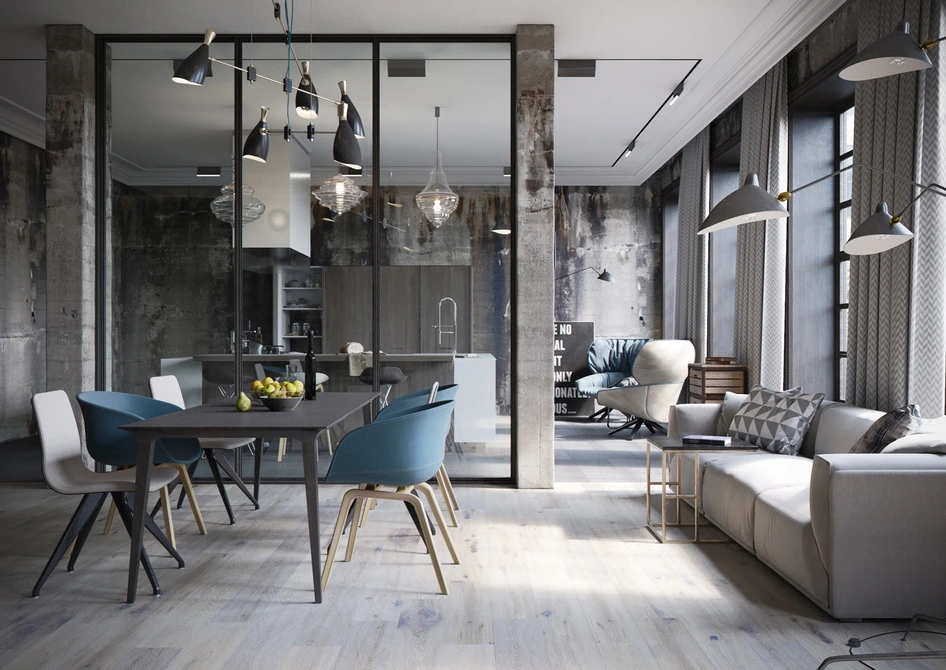
- Visible Pipes and Ductwork act as statement features, drawing the eye upwards and adding height to the room.
- Metal Beams and Staircases bring strength and a sculptural quality to the space.
Furniture with Character
Furniture in industrial interiors often tells a story. Look for vintage, reclaimed, or repurposed pieces that feel strong and timeless.
- Wood and Metal Mix – Think of a wooden dining table with steel legs or a bookshelf with a metal frame.
- Repurposed Finds – Old factory carts, lockers, or workbenches can be transformed into classy pieces.
- Distressed Leather – Sofas and chairs in aged leather add comfort while keeping that rugged feel.
Lighting that Makes a Statement
Lighting plays a big role in industrial design. It’s bold, functional, and often the centerpiece of the room.
- Pendant Lights with metal shades or glass domes
- Edison Bulbs for a warm, vintage glow
- Cage Lamps for a raw, industrial edge
- Adjustable Wall Lamps for flexibility and style
Balancing Industrial with Comfort
While industrial design is known for its raw and edgy look, it doesn’t have to feel cold or unwelcoming. Adding softer textures can create the perfect balance.
Plush rugs, linen throws, and upholstered chairs can soften hard surfaces like concrete or steel. Curtains, cushions, and warm lighting also make the space feel more pleasant. This mix of rough and soft textures is what makes industrial spaces truly livable.
Creative Ideas to Personalize Your Industrial Space
Glass and Metal Partitions
If you have an open layout but want to create different zones, metal-framed glass dividers are a great solution. They allow light to pass through while maintaining that industrial vibe.
Greenery for a Touch of Life
Plants are a simple way to add warmth and freshness. Potted plants in metal containers, hanging planters from exposed beams, or even a vertical green wall can soften the rigid lines.
Repurposed Art and Décor
Industrial spaces are perfect for unconventional art. Instead of traditional paintings, consider using vintage signs, old gears, or salvaged machinery parts as wall decor. They tell a story and add authenticity.
Mixing Styles
Industrial design blends beautifully with other styles. A popular trend is Scandi-Industrial, which combines industrial elements with light wood, cozy textiles, and minimalism for a softer, more inviting look.
Why Industrial Design Works Anywhere
The beauty of industrial design is its flexibility. You can adapt it to:
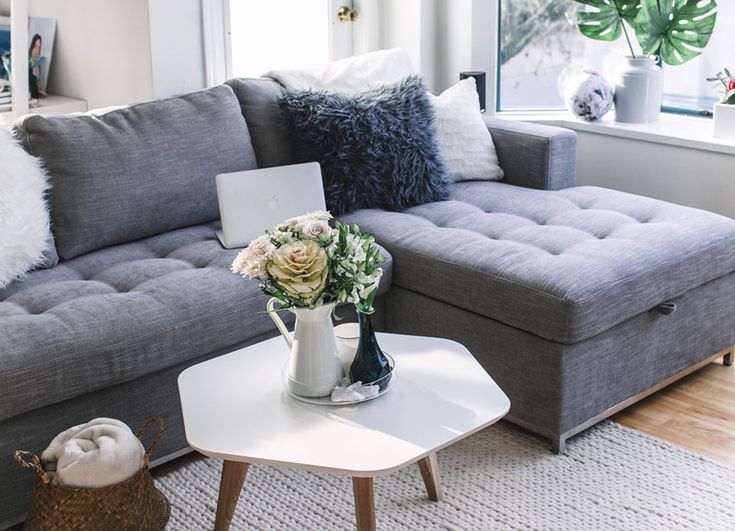
- Small Apartments – Open layouts and minimal walls make even tiny spaces feel bigger.
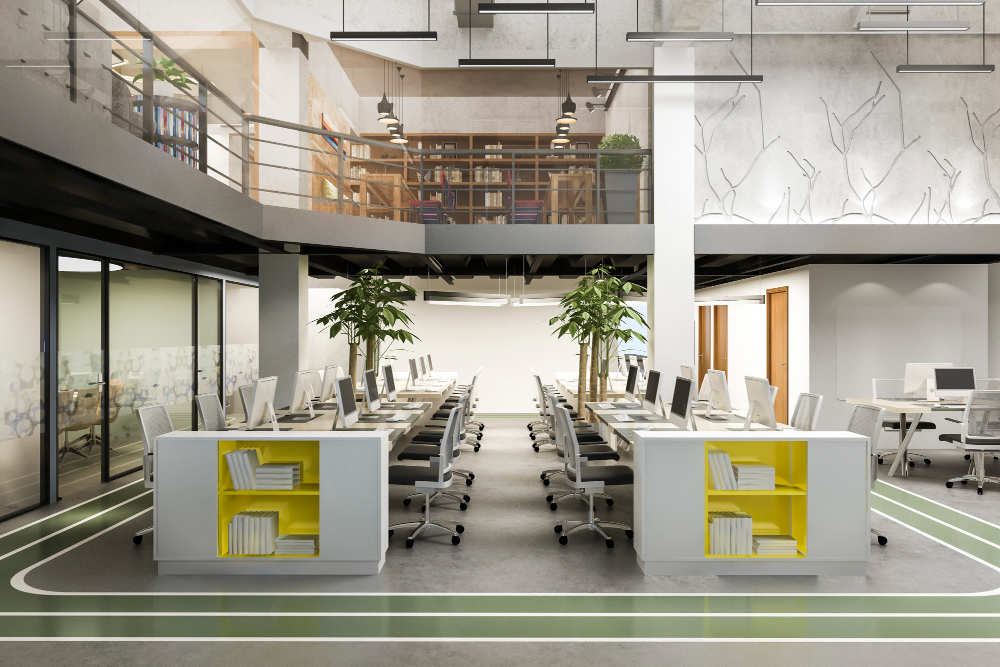
- Large Offices – High ceilings and exposed structures create a sense of energy and openness.
- Restaurants and Cafes – Raw finishes and creative lighting instantly create atmosphere.
Because the style is based on structural honesty and practicality, it works in both old and new buildings.
A Quick Checklist for Your Industrial Makeover
- Keep colors neutral with earthy accents
- Use raw materials like brick, wood, steel, and concrete
- Choose furniture that’s sturdy and has character
- Make lighting bold and functional
- Add plants and soft fabrics for balance
- Don’t hide structural elements, celebrate them
Conclusion
Industrial interior design is timeless, flexible, and full of character. Whether you’re renovating your home, setting up a cafe, or designing an office, an interior design company RAK can help bring this vision to life with expert ideas and unique touches.
The key is balance. Highlight raw elements but soften them with greenery, fabrics, and warm lighting. With the right mix, your space won’t just look stunning; it will feel real, cosy, and inspiring.